Product Details
LD-466 Dry Powder Fire Extinguisher 1kg 2kg 4kg ABC Rated | Wholesale Supplier
LD-466 dry powder fire extinguisher, 1/2/4/6/9kg, ABC rated for Class A/B/C fires. Carbon steel cylinder, ammonium phosphate powder, pressure gauge, wall bracket, CE/EN3-7 certified, for office, vehicle and industrial fire safety.
The LD-466 Dry Powder Fire Extinguisher is a multipurpose ABC-rated portable extinguisher designed to tackle the three most common classes of fire: Class A (ordinary combustibles such as wood, paper, and textiles), Class B (flammable liquids and gases), and Class C (energized electrical equipment). Available in 1kg, 2kg, 4kg, 6kg, and 9kg capacities, it is the standard fire safety solution for offices, vehicles, workshops, warehouses, and construction sites where a single extinguisher must cover multiple fire hazards.
The extinguisher uses an ammonium phosphate-based ABC dry chemical powder stored in a carbon steel cylinder with a wall thickness of 1.5 to 2.0mm, finished with a red polyester powder coating for corrosion resistance and high visibility. A brass or plastic valve assembly controls discharge, while an integrated pressure gauge allows quick visual inspection of the internal charge, and a safety pin prevents accidental activation. A discharge hose and nozzle direct the powder stream, and a wall bracket is included for secure, accessible mounting.
ABC dry powder works by interrupting the chemical chain reaction of the fire. When discharged, the fine powder smothers the flame and separates the fuel from oxygen, making it effective against liquid, gas, and electrical fires where water would be dangerous or ineffective. Working pressure ranges from 14 to 17 bar, tested to 25-30 bar, with a discharge time of 6 to 15 seconds and an effective range of 2 to 6 meters depending on capacity. The 1kg and 2kg models are ideal for vehicles and small rooms, the 4kg model suits offices and shops, while the 6kg and 9kg models are intended for industrial and warehouse use.
Certified to CE, EN3-7, ISO 9001, CCC, and UL, the LD-466 meets international fire safety standards and is suitable for placement in accordance with local fire code requirements. Customization options include powder type, cylinder color, label design, wall bracket type, and private labeling, making it a flexible choice for distributors, facility managers, and fleet operators looking to equip multiple sites with a reliable, multipurpose fire extinguisher.
Core Features
- ABC rated for Class A, B, and C fires
- Capacities: 1kg, 2kg, 4kg, 6kg, 9kg
- Carbon steel cylinder 1.5-2.0mm, red polyester coating
- Ammonium phosphate ABC dry chemical powder
- Integrated pressure gauge for charge inspection
- Safety pin and brass/plastic valve assembly
- Discharge hose, nozzle, and wall bracket included
- CE, EN3-7, ISO 9001, CCC, UL certified
Application Scenarios
- Office buildings and commercial premises
- Cars, trucks, buses, and fleet vehicles
- Workshops, garages, and repair facilities
- Warehouses, factories, and industrial plants
- Kitchens, restaurants, and food service areas
- Construction sites and temporary site offices
FAQ
What is the difference between an ABC dry powder extinguisher and a CO2 extinguisher?
An ABC dry powder extinguisher uses ammonium phosphate powder that interrupts the fire's chemical chain reaction and works on Class A, B, and C fires (ordinary combustibles, flammable liquids/gases, and electrical equipment). A CO2 extinguisher uses carbon dioxide gas that displaces oxygen and is mainly used for Class B and electrical fires, leaving no residue. ABC powder is more versatile but leaves a messy residue, while CO2 is clean but less effective on Class A fires.
How do I choose the right capacity (1kg, 2kg, 4kg, 6kg, 9kg)?
Choose capacity based on the hazard level and area to be protected. 1kg and 2kg models are for vehicles, small rooms, and personal use. The 4kg model covers offices, shops, and small workshops. 6kg and 9kg models are for industrial areas, warehouses, and large commercial spaces with higher fire risk. Always check local fire code requirements for minimum rating and placement.
How often should a dry powder fire extinguisher be inspected?
A dry powder fire extinguisher should be visually inspected monthly to verify the pressure gauge is in the green zone, the safety pin is intact, and there are no signs of damage or corrosion. A professional maintenance inspection is required annually, and a full internal service and pressure test is recommended every 5 to 6 years depending on local regulations.
Can a dry powder fire extinguisher be recharged after use?
Yes. If the extinguisher has been used even partially, it must be recharged by a certified service technician who will replace the powder, repressurize the cylinder, and update the service tag. Even if never used, it should be inspected and recharged according to the manufacturer's schedule and local fire safety regulations.
Related Products
LD-461
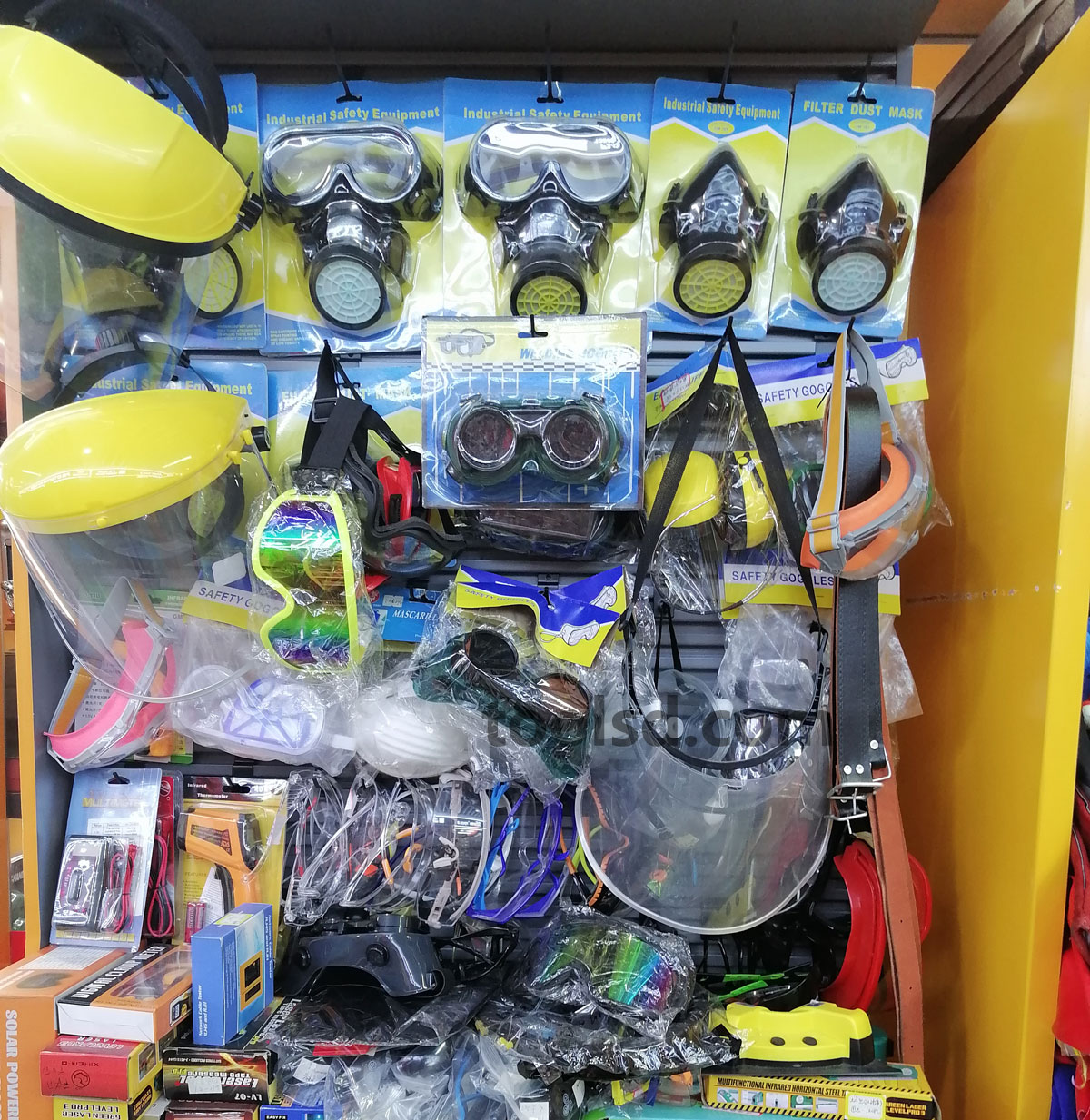
LD-461 PC Safety Goggles Protective Eyewear Anti-Fog Impact Resistant | Wholesale Supplier
LD-461 PC safety goggles with anti-fog and anti-scratch polycarbonate lens, PVC/TPU frame, adjustable elastic strap, indirect ventilation. ANSI Z87.1 and CE EN166 certified, impact resistant, ideal for construction, lab and industrial use.
200LD-462
LD-462 Silicone Respirator Mask with Filter Cartridge Paint Dust Gas | Wholesale Supplier
LD-462 silicone half-face respirator mask with replaceable filter cartridges. Single or dual cartridge design, P100/HEPA or organic vapor filters, medical-grade silicone seal, CE/NIOSH certified, ideal for painting, dust and chemical work.
100LD-463
LD-463 Polycarbonate Face Shield Visor Anti-Fog Full Face Protection | Wholesale Supplier
LD-463 polycarbonate full-face shield visor with anti-fog and anti-scratch coating. 220x320mm coverage, adjustable headband with foam brow pad, CE/ANSI certified, protects against splash, dust and impact.
100LD-464
LD-464 Polyester Hi-Vis Reflective Safety Vest Class 2 3 | Wholesale Supplier
LD-464 polyester hi-vis reflective safety vest, fluorescent yellow/orange/green, 5cm reflective tape, ANSI Class 2/3 and EN ISO 20471 compliant. Front zipper or velcro, multiple pockets, sizes S-5XL.
100