Product Details
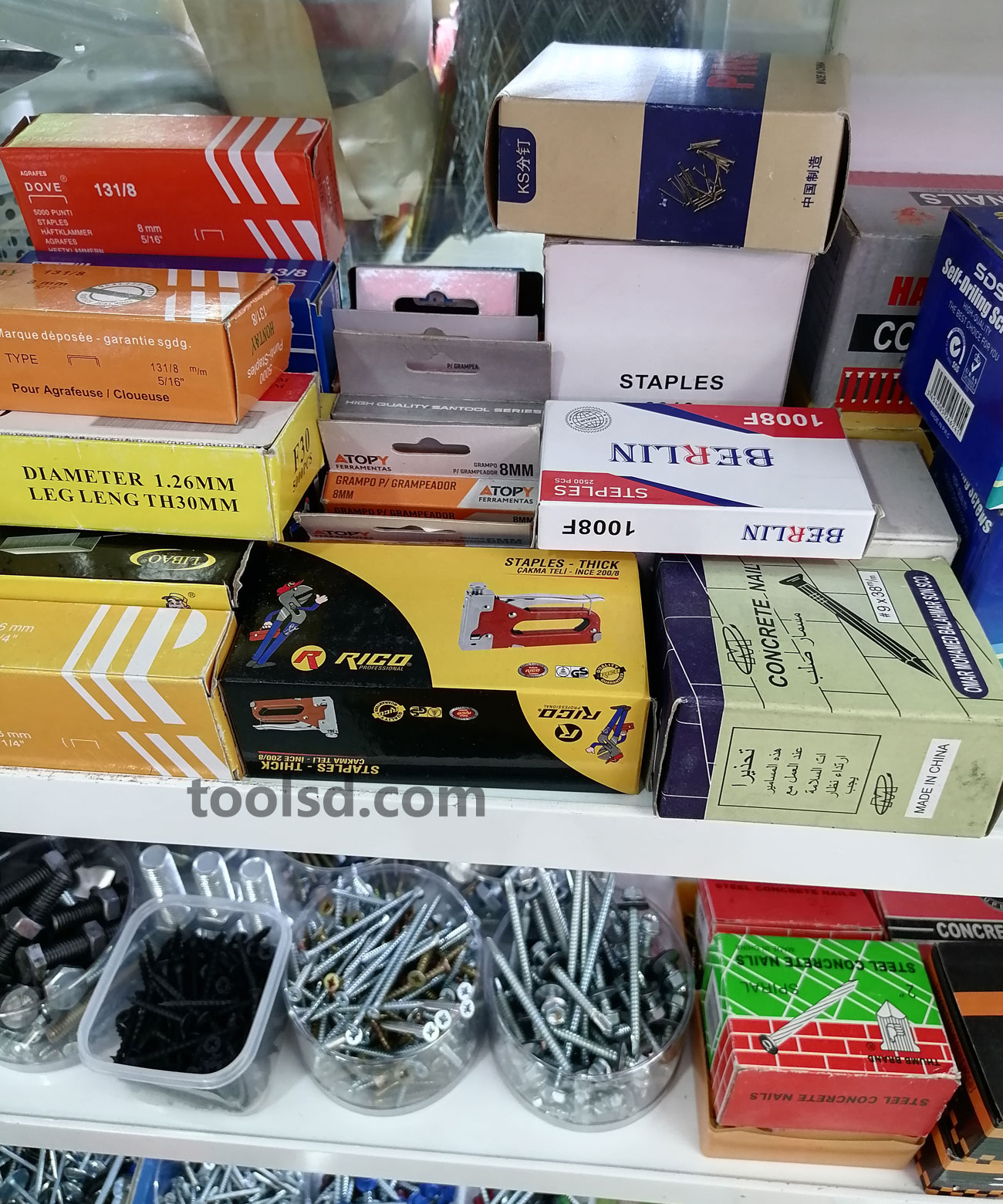
LD-437 Hardened Steel Concrete Nails Fluted Shank Masonry 20-100mm
LD-437 hardened steel concrete nails with fluted shank, 20-100mm lengths. Heat-treated C45-C60 steel, 55-65 HRC hardness, fluted shank for masonry penetration, ideal for concrete, brick and stone fastening.
Core Features
- High carbon steel C45-C60 heat-treated to 55-65 HRC hardness
- Fluted (grooved) shank for enhanced concrete penetration
- Nine lengths from 20mm to 100mm for varied applications
- Shank diameters 2.5-5.0mm for different load requirements
- Flat round or countersunk head options
- Fluted shank increases pull-out resistance vs smooth shank
- Black, dark grey, or zinc plated finish options
- Compatible with hammer or pneumatic concrete nail guns
Application Scenarios
- Concrete wall mounting for fixtures and frames
- Brick and masonry surface nailing
- Wall frame and stud installation to concrete
- Baseboard and trim fixing to masonry
- Electrical conduit and pipe fastening to walls
- Construction formwork and temporary bracing
FAQ
Can these concrete nails penetrate reinforced concrete?
The LD-437 nails penetrate standard concrete and brick effectively with 55-65 HRC hardness. For heavily reinforced concrete with rebar near the surface, pre-drill a pilot hole to avoid nail deflection. For structural loads in reinforced concrete, expansion anchors or chemical anchors provide more reliable fastening.
What does the 55-65 HRC hardness rating mean?
HRC (Rockwell C hardness) of 55-65 indicates high carbon steel that has been heat-treated and quenched to achieve maximum hardness for concrete penetration. This hardness level prevents the nail from bending or mushrooming on impact with hard masonry surfaces, ensuring reliable driving without deformation.
What is the advantage of fluted shank over smooth shank?
The fluted (grooved) shank design increases pull-out resistance by compressing surrounding masonry material into the grooves during driving. This creates a mechanical lock that prevents loosening under vibration and thermal cycling, providing significantly better grip than smooth shank nails in concrete and brick substrates.
Which wall types are these masonry nails suitable for?
The LD-437 nails are suitable for standard concrete, brick, mortar joints, stone, and block walls. For aerated concrete blocks or very hard engineered concrete, pre-drilling a pilot hole is recommended. They are not recommended for drywall, plasterboard, or wooden substrates where standard nails provide better performance.
Related Products
FH-019
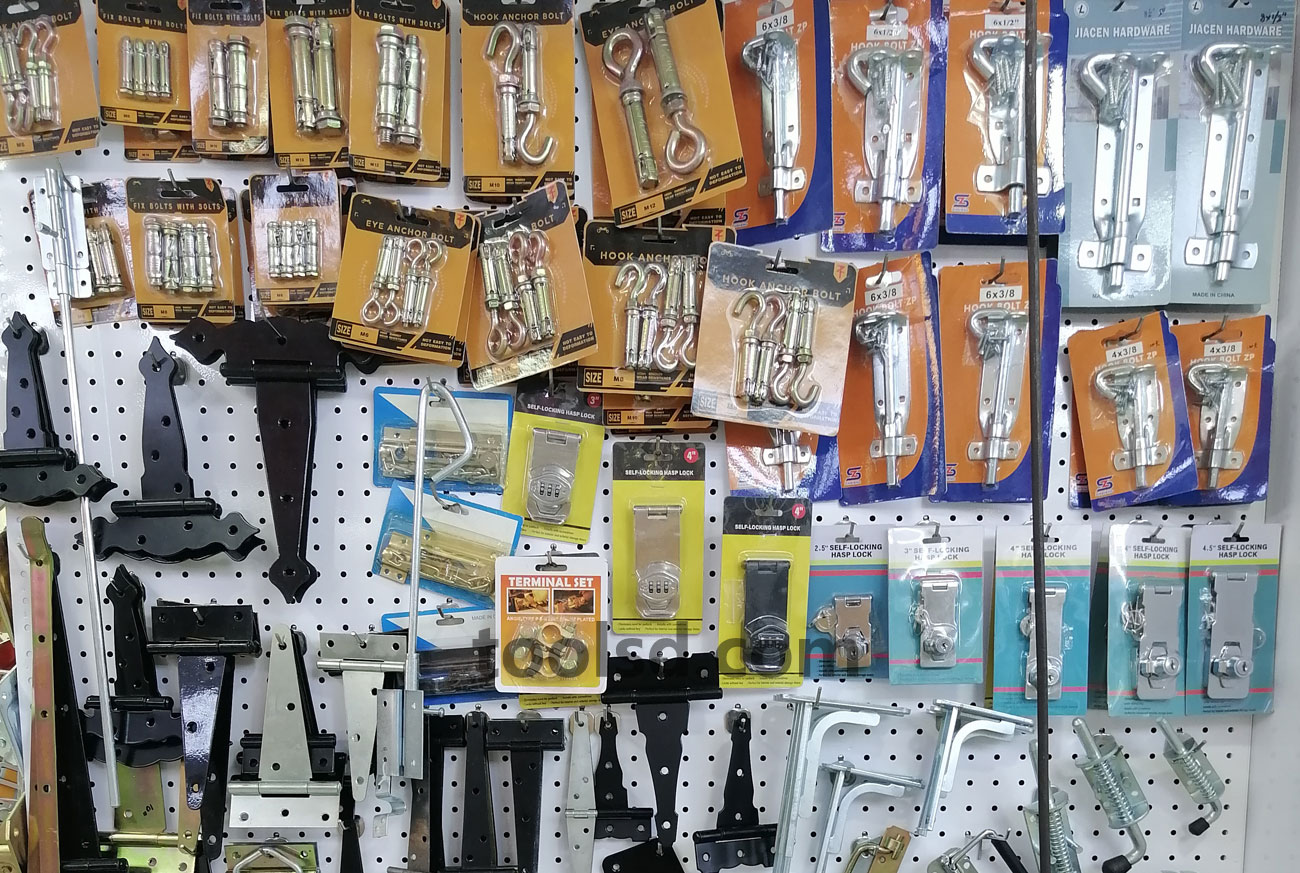
FH-019 Expansion Bolt Wall Anchor Assortment with Nuts Washers
Carbon steel grade 4.8 sleeve expansion bolt kits with matching nuts, washers and expansion shields, M6-M16 multi-size options for concrete, brick and masonry construction fixing, indoor & outdoor anti-rust zinc plated finish.
500 pcsFH-020
FH-020 Eye Bolt with Nut Lifting Ring Bolt Assortment
DIN 580 certified lifting eye bolt kits, available in Q235 carbon steel and 304 stainless steel, M6-M16 sizes with WLL 50kg-500kg, complete with nut and washer for machinery lifting, overhead hanging and industrial rigging applications.
300 pcs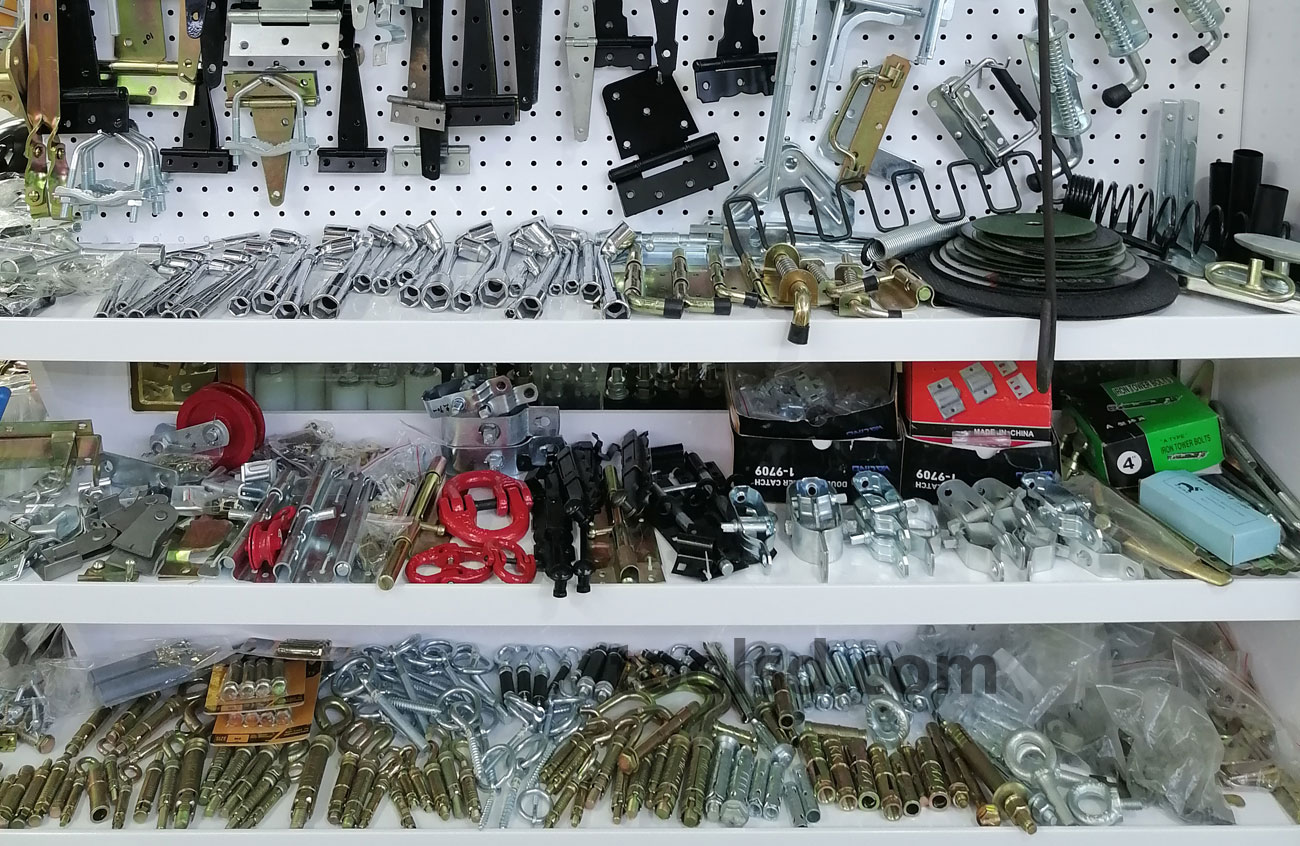
FH-021
FH-021 Chemical Anchor Bolt Expansion Bolt Bulk Construction Fastener Mix
Heavy-duty chemical anchor bolt kits with Grade 5.8 & Grade 8.8 carbon steel studs, M8-M20 full sizes, equipped with matched resin capsules, nuts and washers; hot dip galvanized anti-rust option for structural concrete, bridge and heavy industrial construction fixing.
1000 pcs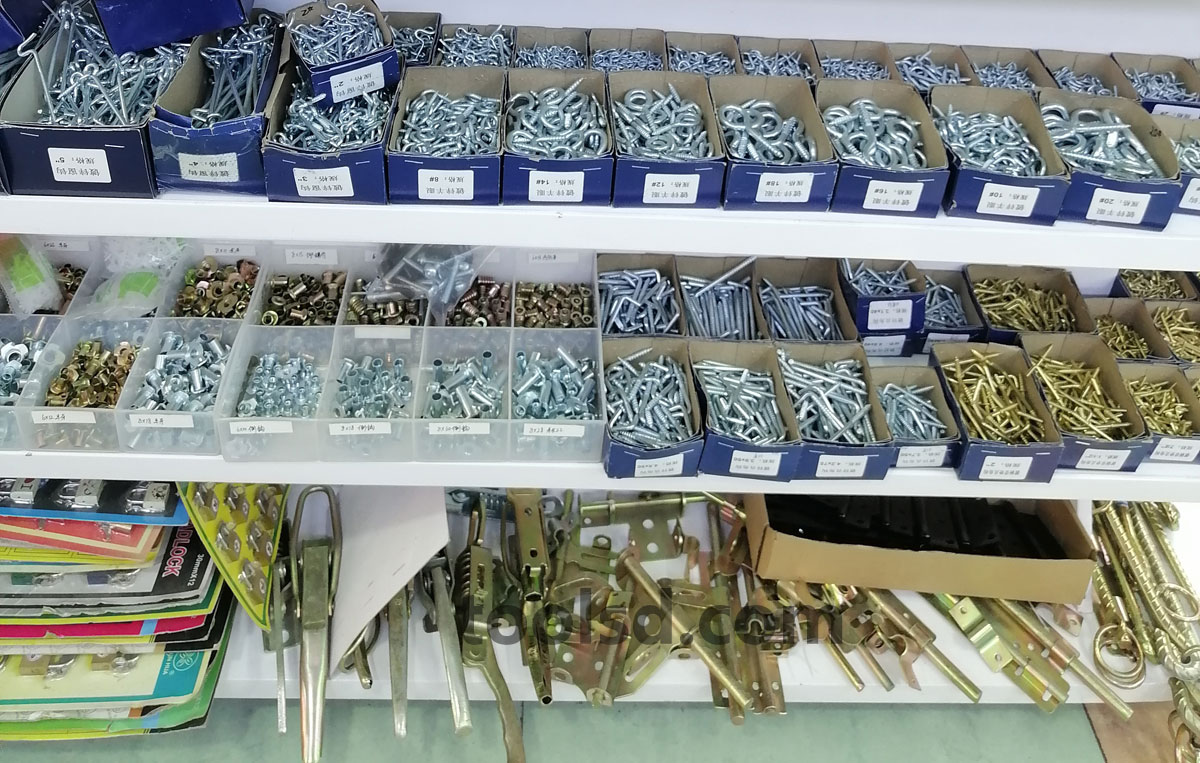
FH-022
FH-022 Eye Bolt with Nut Lifting Ring Bolt Boxed Assortment
DIN 580 & CE certified lifting eye bolt kits, available in Q235 carbon steel and 304 stainless steel, M6-M16 multi-size boxed sets with WLL 50kg-450kg, complete with nut and washer for machinery lifting, overhead hanging and industrial rigging applications.
300 pcs