Product Details
LD-410 Chrome Steel Needle Roller Bearing Drawn Cup Machined Ring Thrust Needle
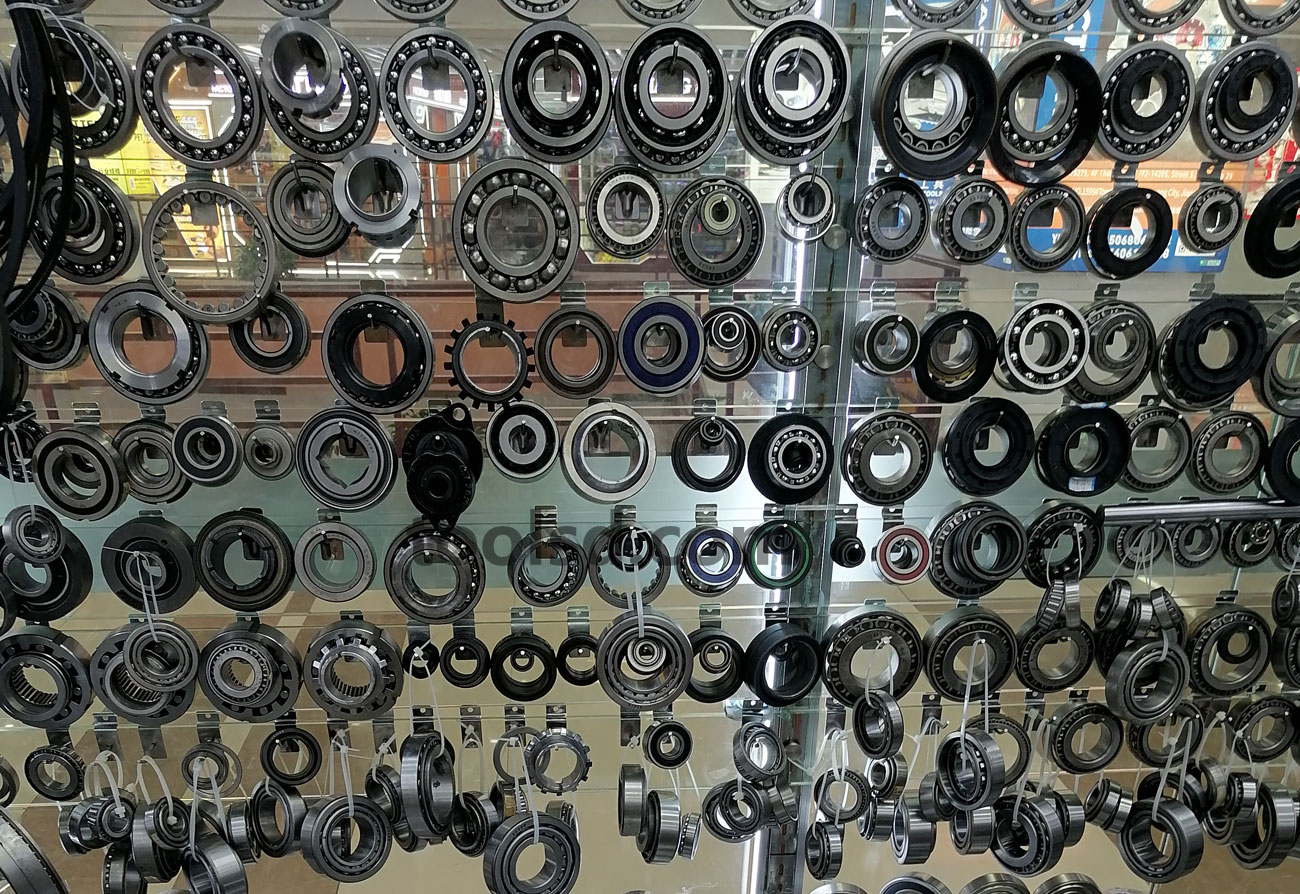
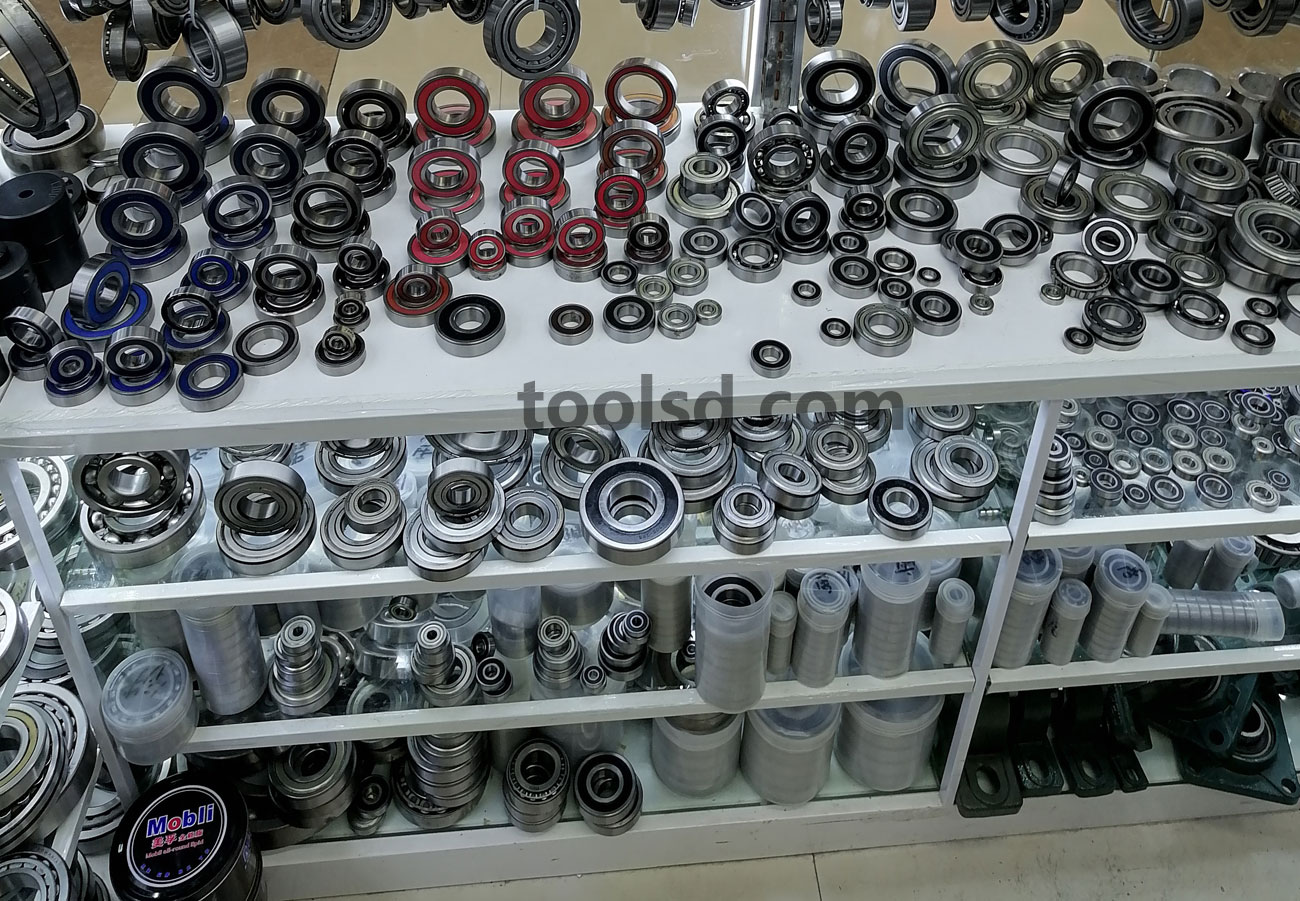
LD-410 chrome steel needle roller bearings including drawn cup (HK/BK), machined ring (NA/NK), and thrust needle (AXK) types. Compact design with high load capacity for limited space applications.
Core Features
- Extremely compact radial profile with exceptional load-to-size ratio
- High carbon chromium bearing steel (GCr15/SUJ2) needle rollers
- Drawn cup (HK/BK) for ultra-compact, cost-effective solutions
- Machined ring (NA/RNA/NK/NKI) for high precision and rigidity
- Thrust needle (AXK/NTA) for ultra-thin axial load support
- Caged or full complement designs for speed or load optimization
- Wide size range from 3mm to 60mm bore diameter
- ISO 9001 and CE certified with ABEC 1-3 precision grades
Application Scenarios
- Automotive transmissions, gearboxes, and engine components
- Power tools, drills, and garden equipment
- Small electric motors and household appliances
- Bicycle hubs, motorcycle engines, and scooter components
- Hydraulic pumps, valves, and pneumatic cylinders
- Textile machinery, sewing machines, and office equipment
FAQ
How do I choose between drawn cup and machined ring needle bearings?
Choose drawn cup needle bearings (HK/BK series) when you need the most compact, cost-effective solution and the housing bore can serve as the outer raceway. They are ideal for moderate loads and speeds in applications like power tools and small mechanisms. Choose machined ring needle bearings (NA/NK series) when you require higher precision, greater rigidity, higher load capacity, or when you need a separable inner ring for assembly convenience. Machined ring bearings also offer better performance at higher speeds and under heavy shock loads.
What is the load capacity of needle roller bearings compared to ball bearings?
Needle roller bearings have significantly higher radial load capacity than ball bearings of the same outside diameter, typically 2 to 4 times the load capacity. The line contact between rollers and raceways distributes loads over a much larger area than the point contact of ball bearings. However, needle bearings operate at lower speeds than ball bearings due to increased rolling element mass and sliding friction at roller ends. Full complement needle bearings have even higher load capacity but lower speed capability than caged designs.
What are the speed ratings for needle roller bearings?
Speed ratings for needle roller bearings vary significantly by type, size, and design. Caged drawn cup bearings (HK series) can operate at relatively high speeds, with limiting speeds ranging from 5,000 to 30,000 RPM depending on size. Machined ring caged bearings (NA/NK series) typically operate from 3,000 to 20,000 RPM. Full complement designs have lower speed limits (typically 500-3,000 RPM) due to roller-to-roller friction. Thrust needle bearings have the lowest speed ratings. Actual permissible speeds depend on lubrication, load, and operating temperature.
What installation considerations are important for needle roller bearings?
For drawn cup needle bearings, the housing bore must be precisely sized and hardened to serve as the outer raceway, with proper surface finish (Ra 0.8 or better) and hardness (HRC 58-64). The bearing should be pressed into the housing using a proper installation tool to avoid damaging the thin-walled outer ring. For machined ring bearings with inner rings, ensure proper shaft fit and alignment. Always lubricate the bearing before installation and verify that the bearing is properly seated. For full complement bearings, take care not to lose needles during installation, and use an assembly tool or temporary sleeve to hold needles in place.
Related Products
FH-019
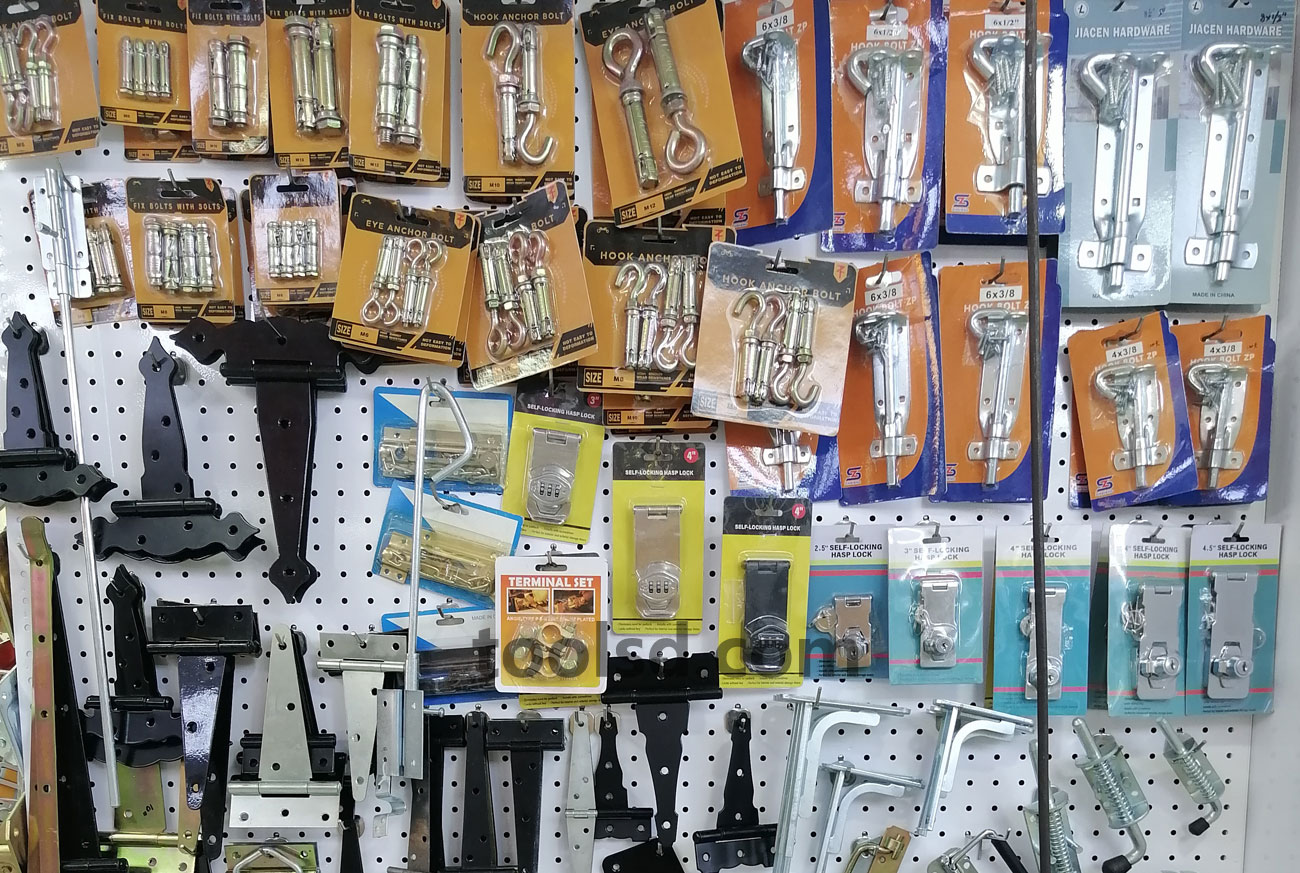
FH-019 Expansion Bolt Wall Anchor Assortment with Nuts Washers
Carbon steel grade 4.8 sleeve expansion bolt kits with matching nuts, washers and expansion shields, M6-M16 multi-size options for concrete, brick and masonry construction fixing, indoor & outdoor anti-rust zinc plated finish.
500 pcsFH-020
FH-020 Eye Bolt with Nut Lifting Ring Bolt Assortment
DIN 580 certified lifting eye bolt kits, available in Q235 carbon steel and 304 stainless steel, M6-M16 sizes with WLL 50kg-500kg, complete with nut and washer for machinery lifting, overhead hanging and industrial rigging applications.
300 pcs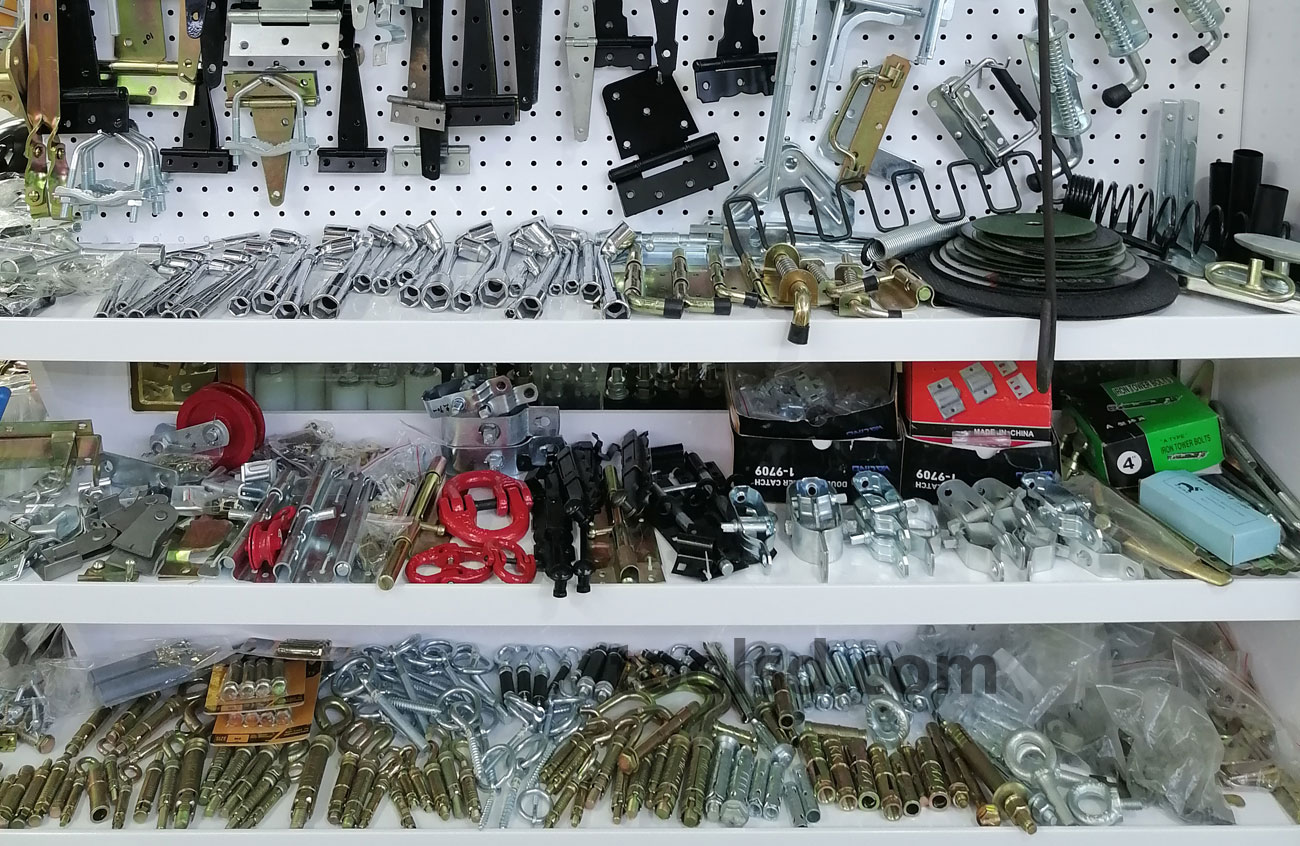
FH-021
FH-021 Chemical Anchor Bolt Expansion Bolt Bulk Construction Fastener Mix
Heavy-duty chemical anchor bolt kits with Grade 5.8 & Grade 8.8 carbon steel studs, M8-M20 full sizes, equipped with matched resin capsules, nuts and washers; hot dip galvanized anti-rust option for structural concrete, bridge and heavy industrial construction fixing.
1000 pcs
FH-022
FH-022 Eye Bolt with Nut Lifting Ring Bolt Boxed Assortment
DIN 580 & CE certified lifting eye bolt kits, available in Q235 carbon steel and 304 stainless steel, M6-M16 multi-size boxed sets with WLL 50kg-450kg, complete with nut and washer for machinery lifting, overhead hanging and industrial rigging applications.
300 pcs