Product Details
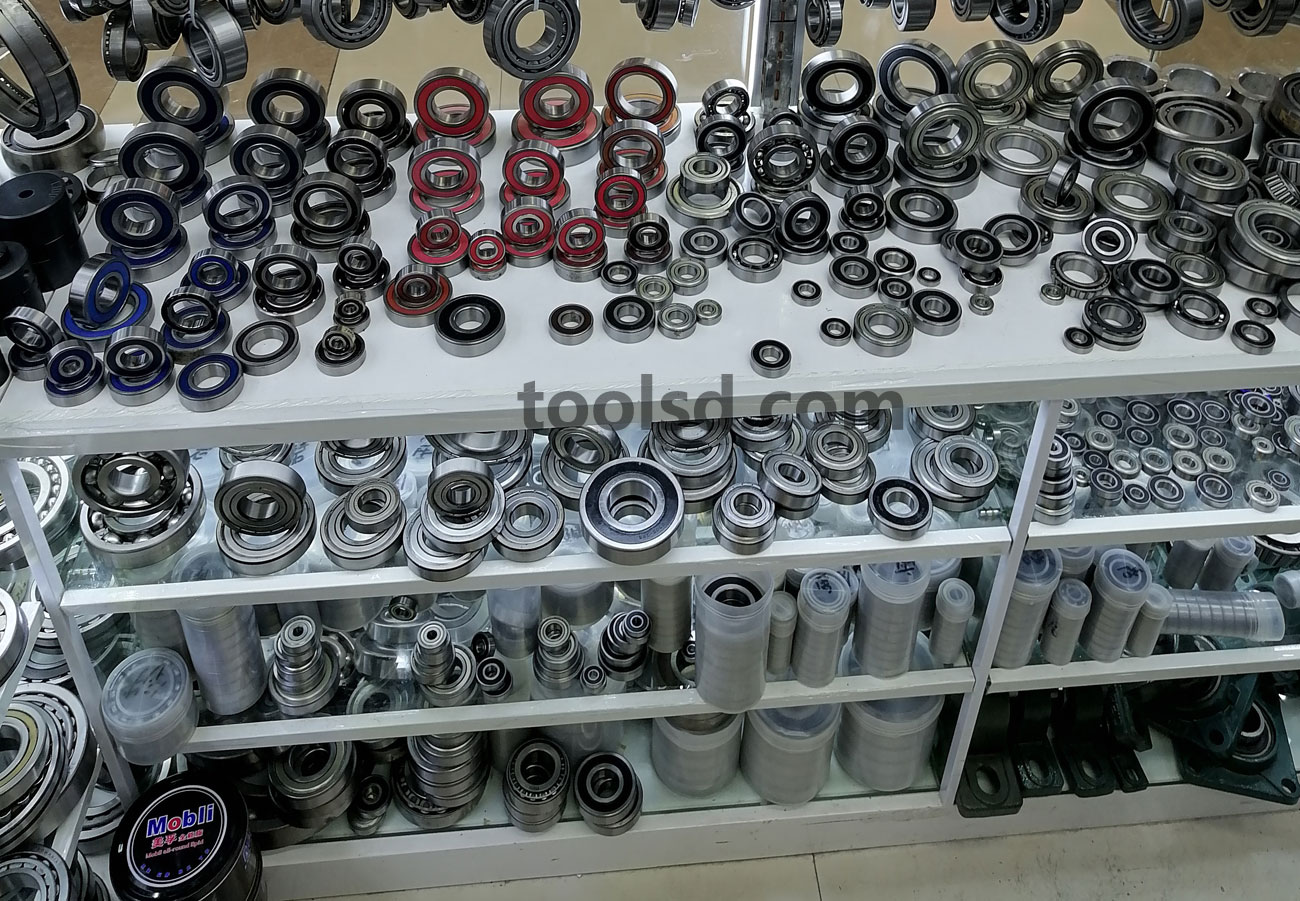
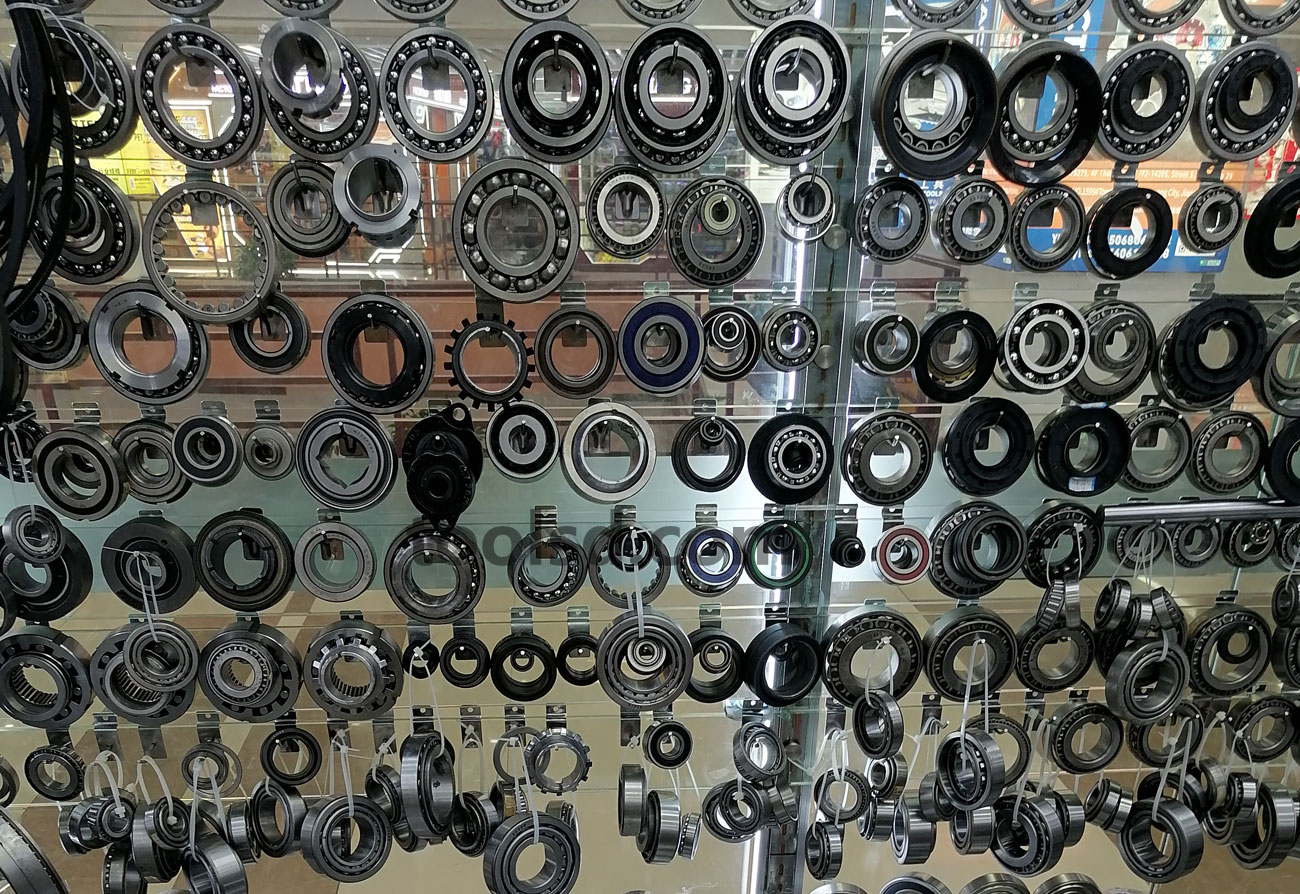
LD-408 Chrome Steel Wheel Hub Bearing Automotive Hub Unit Assembly
LD-408 chrome steel wheel hub bearings and hub unit assemblies. Double row angular contact or tapered roller design with integrated hub flange. Pre-greased, sealed, automotive quality, Gen 1/2/3 types.
Core Features
- Integrated hub bearing assembly with pre-adjusted preload for easy installation
- High carbon chromium bearing steel (GCr15/SUJ2) construction for extended service life
- Available in Gen 1, Gen 2, and Gen 3 configurations for all vehicle types
- Double row angular contact ball or tapered roller design options
- Multi-lip seal system prevents contamination and retains lubrication
- Magnetic encoder ring option for ABS wheel speed sensing
- Pre-greased with premium automotive grade lubricant
- IATF 16949 certified automotive quality manufacturing
Application Scenarios
- Passenger car front and rear wheel hubs
- Light truck and commercial vehicle wheel assemblies
- SUV and crossover vehicle wheel bearings
- Trailer and caravan axle assemblies
- Electric vehicle wheel hub applications
- Automotive aftermarket replacement and repair services
FAQ
What is the difference between Gen 1, Gen 2, and Gen 3 wheel hub bearings?
Gen 1 wheel bearings are double row bearings without integrated flanges, designed to be pressed into a separate hub and knuckle. Gen 2 units include an integrated hub flange on one side, reducing assembly complexity. Gen 3 are fully integrated units with flanges on both the inner and outer sides, often including ABS sensor rings, offering the easiest installation and most compact design. Gen 3 is the most common type in modern vehicles.
Are wheel hub bearings with ABS sensors compatible with all vehicles?
No, ABS-equipped hub bearings must match the specific vehicle's ABS system configuration. Some vehicles use active ABS with magnetic encoder rings built into the bearing seal, while others use passive tone wheels. The sensor type, number of pulses per revolution, and electrical connector must all match the vehicle's specifications. Always verify compatibility by vehicle make, model, year, and VIN before specifying a replacement hub bearing.
What is the expected service life of wheel hub bearings?
Under normal operating conditions, quality wheel hub bearings typically last 80,000 to 150,000 kilometers (50,000 to 100,000 miles). Service life depends on driving conditions, vehicle type, load, and maintenance. Factors that shorten life include excessive load (overloading, towing), harsh environments (water, salt, dirt), improper installation, and aggressive driving. Premium quality bearings with proper sealing and lubrication, like the LD-408 series, are engineered to achieve maximum service life.
What torque specification should be used when installing wheel hub bearings?
Torque specifications vary significantly by vehicle make, model, and bearing size. Always refer to the vehicle manufacturer's service manual for the exact specification. As a general guideline, axle nut torque for front wheel drive vehicles typically ranges from 150 to 300 Nm, while rear wheel drive and 4WD hubs may require different values. Wheel bolt torque depends on bolt size and vehicle type, typically ranging from 90 to 150 Nm. Proper torque is critical for bearing life and vehicle safety.
Related Products
FH-019
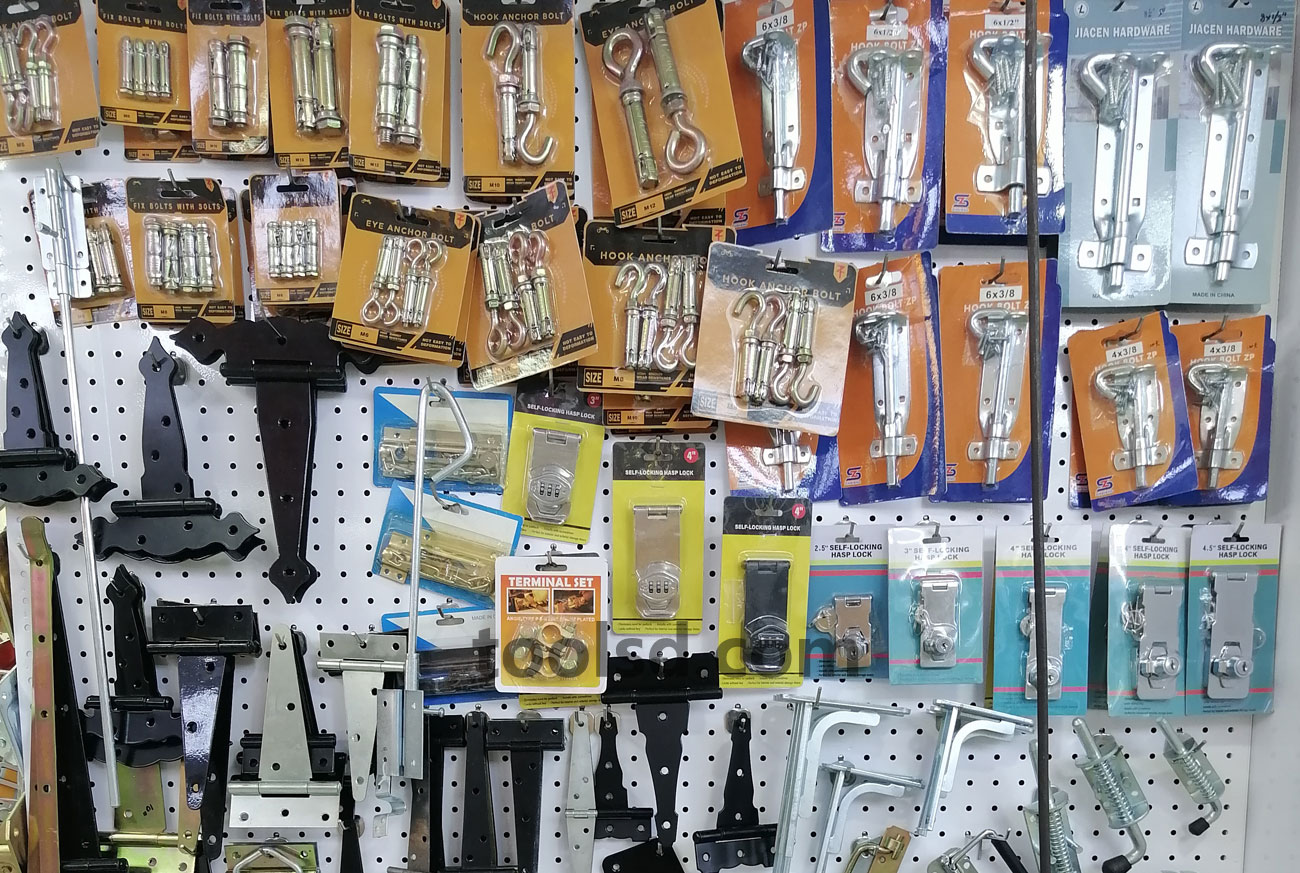
FH-019 Expansion Bolt Wall Anchor Assortment with Nuts Washers
Carbon steel grade 4.8 sleeve expansion bolt kits with matching nuts, washers and expansion shields, M6-M16 multi-size options for concrete, brick and masonry construction fixing, indoor & outdoor anti-rust zinc plated finish.
500 pcsFH-020
FH-020 Eye Bolt with Nut Lifting Ring Bolt Assortment
DIN 580 certified lifting eye bolt kits, available in Q235 carbon steel and 304 stainless steel, M6-M16 sizes with WLL 50kg-500kg, complete with nut and washer for machinery lifting, overhead hanging and industrial rigging applications.
300 pcs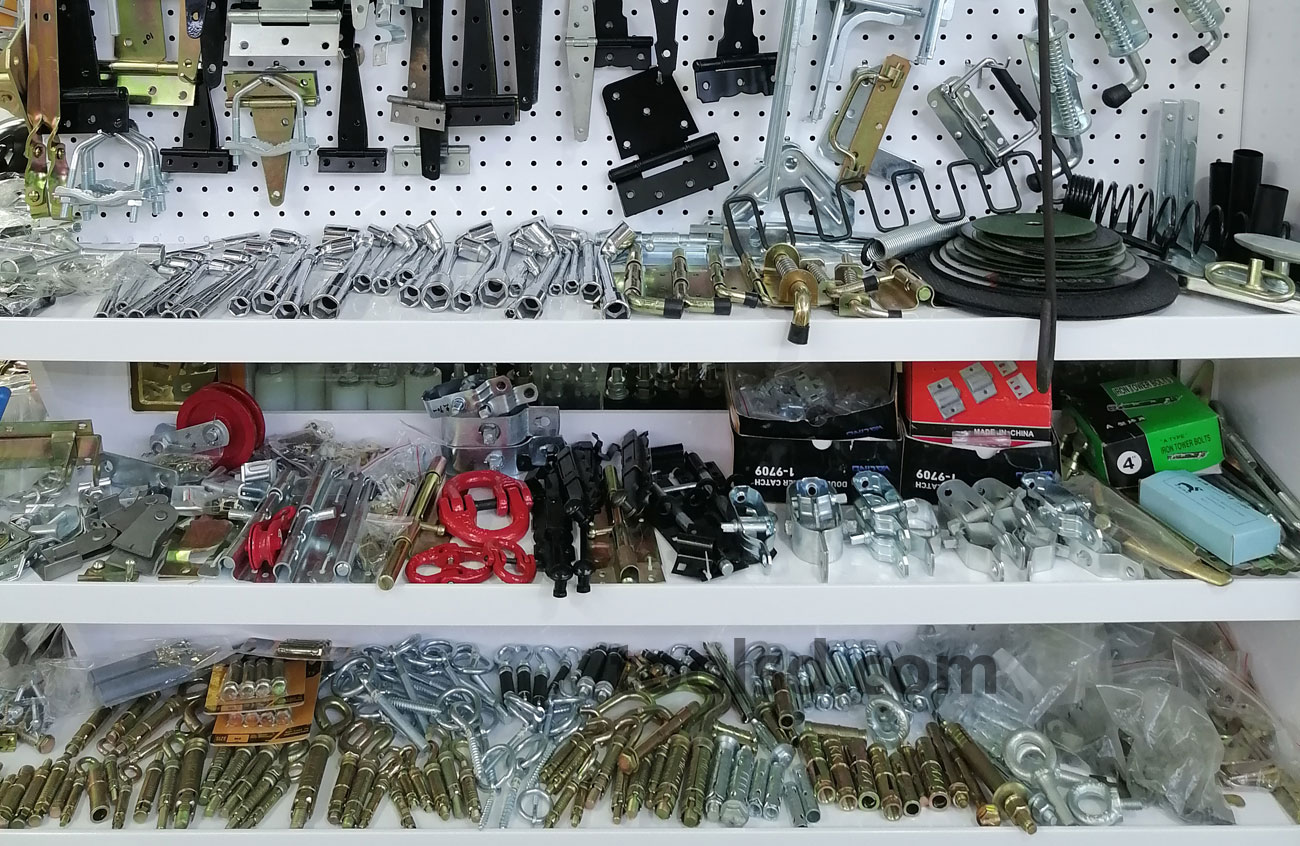
FH-021
FH-021 Chemical Anchor Bolt Expansion Bolt Bulk Construction Fastener Mix
Heavy-duty chemical anchor bolt kits with Grade 5.8 & Grade 8.8 carbon steel studs, M8-M20 full sizes, equipped with matched resin capsules, nuts and washers; hot dip galvanized anti-rust option for structural concrete, bridge and heavy industrial construction fixing.
1000 pcs
FH-022
FH-022 Eye Bolt with Nut Lifting Ring Bolt Boxed Assortment
DIN 580 & CE certified lifting eye bolt kits, available in Q235 carbon steel and 304 stainless steel, M6-M16 multi-size boxed sets with WLL 50kg-450kg, complete with nut and washer for machinery lifting, overhead hanging and industrial rigging applications.
300 pcs