Product Details
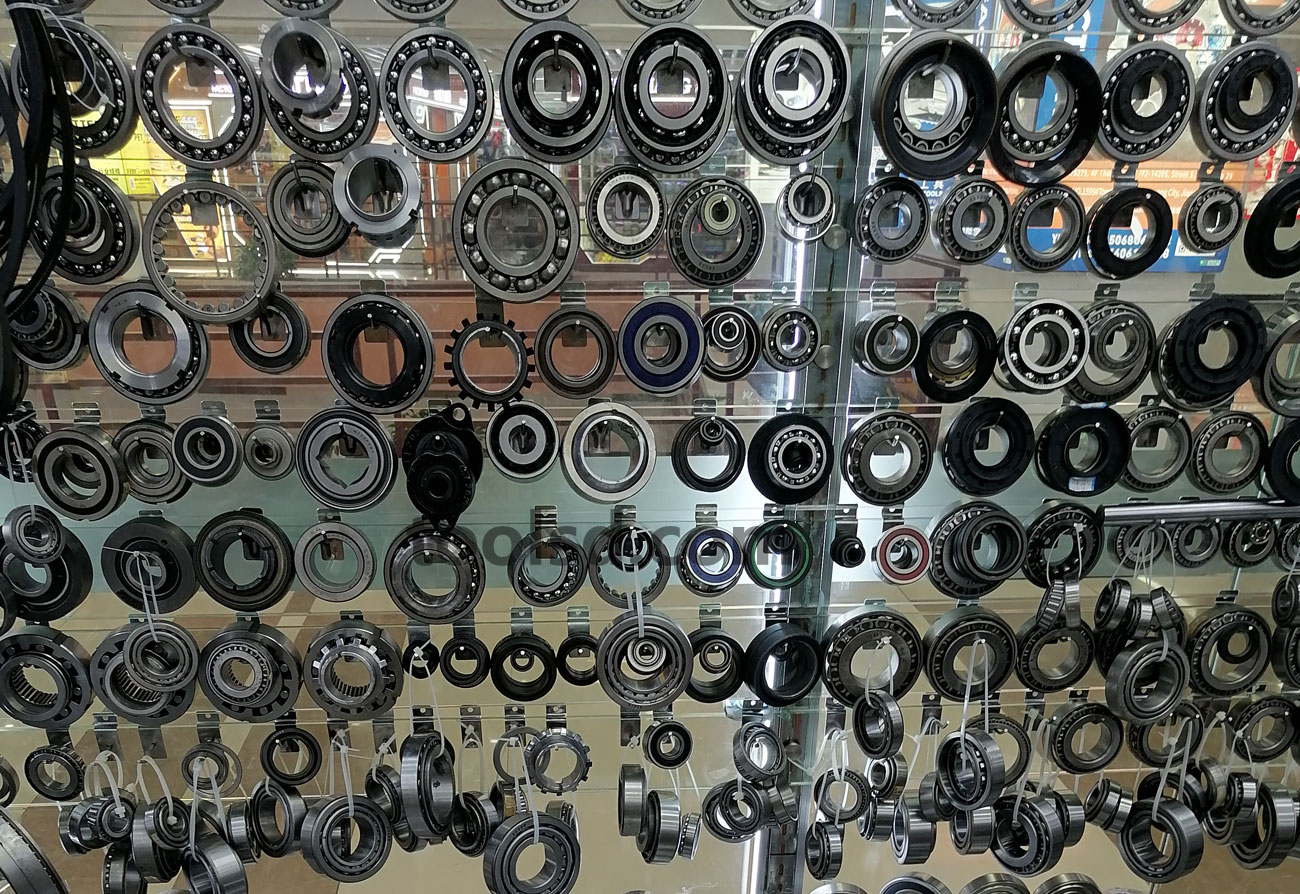
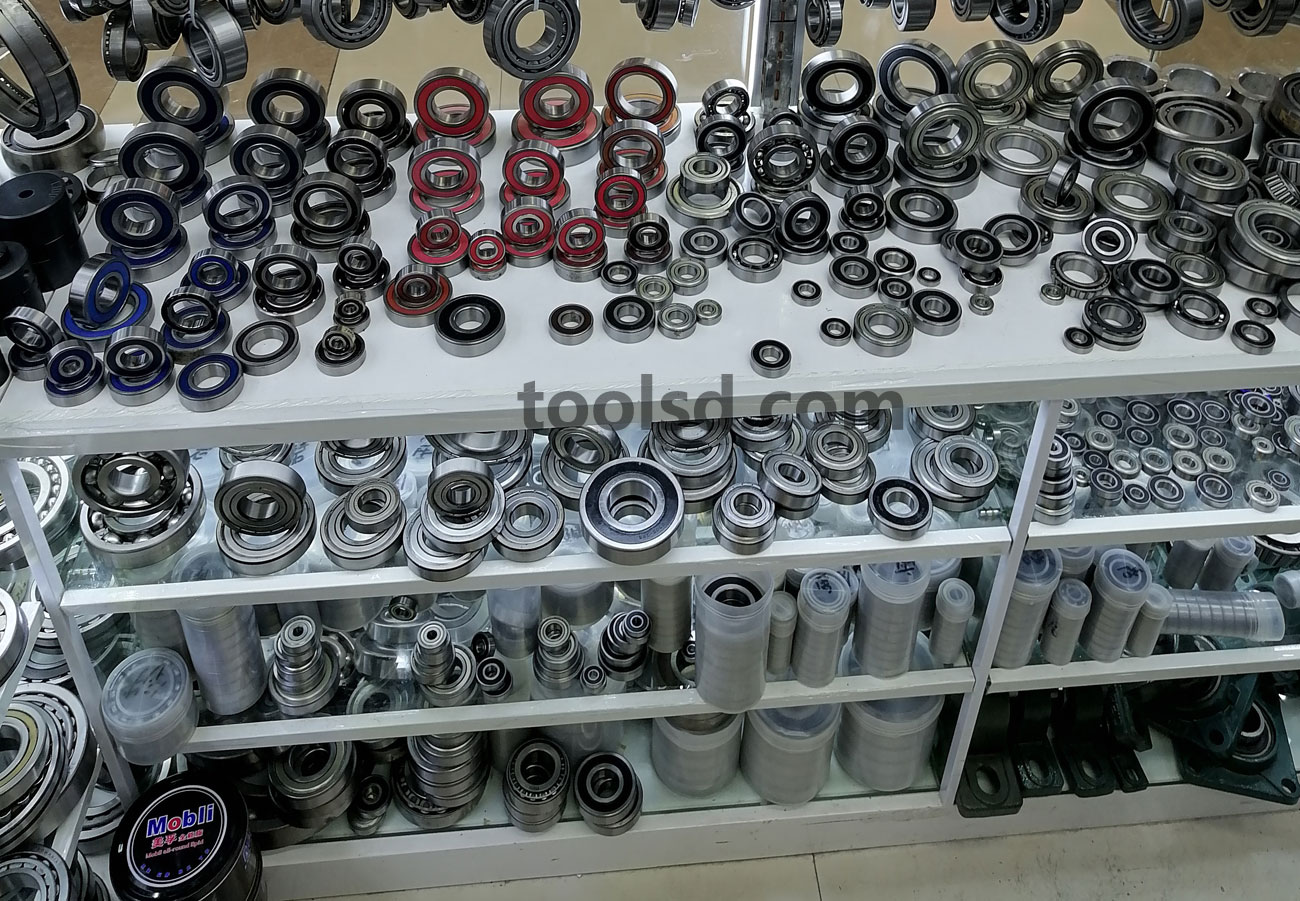
LD-407 Chrome Steel Spherical Roller Bearing 22200 22300 Self-Aligning Roller
LD-407 chrome steel spherical roller bearings in 22200/22300/21300 series. Double row barrel rollers with spherical outer race, self-aligning, very high radial load capacity with axial capability. Heavy industrial applications.
Core Features
- Double row symmetrical barrel rollers for maximum radial load capacity
- Spherical outer raceway enables self-alignment up to 2-3 degrees
- High carbon chromium bearing steel (GCr15/SUJ2) with carburized option
- Supports heavy radial loads combined with axial loads in both directions
- Available in 22200, 22300, 21300, 23100, and 23000 series
- Cylindrical or tapered bore with multiple clearance classes (C2/C3/C4)
- Brass, steel, or polyamide cage options for varied operating conditions
- ISO 9001 and CE certified for quality assurance
Application Scenarios
- Mining crushers, screens, and conveyor systems
- Wind turbine gearboxes and main shaft assemblies
- Paper mill rollers and pulp processing equipment
- Steel mill continuous casting and rolling equipment
- Construction excavators, bulldozers, and cranes
- Marine gearboxes, propulsion systems, and winches
FAQ
What are the load ratings for spherical roller bearings compared to other bearing types?
Spherical roller bearings have the highest radial load capacity among self-aligning bearing types, typically 2 to 3 times that of self-aligning ball bearings of the same size. They also support significant axial loads in both directions, typically 20-30% of the radial load capacity. The 22300 series has the highest load capacity due to its wider design, while 22200 series offers a balance of load capacity and speed capability.
How much misalignment can spherical roller bearings tolerate?
Spherical roller bearings typically accommodate misalignment angles of 1.5 to 2.5 degrees depending on the series, size, and load conditions. The 22200 and 22300 series generally allow up to 2 degrees of misalignment under normal load. Under lighter loads, slightly more misalignment may be tolerated. Excessive misalignment beyond rated limits will cause increased friction, heat generation, and accelerated wear.
How do I select the correct clearance class (C2, C3, C4) for my application?
Standard clearance (CN) is suitable for most general applications. C2 (reduced clearance) is used for precision applications requiring minimal radial play, typically at low to moderate speeds. C3 (greater than normal) is the most common choice for applications with temperature differences between inner and outer rings, or where press fits reduce internal clearance. C4 (extra clearance) is used for very high temperature applications, heavy press fits, or where significant thermal expansion is expected.
What is the proper installation procedure for tapered bore spherical roller bearings with adapter sleeves?
For tapered bore bearings with adapter sleeves, first slide the adapter sleeve onto the shaft, then mount the bearing onto the sleeve. Use a lock nut to drive the bearing up the tapered sleeve until the desired internal clearance reduction is achieved. Measure clearance reduction using feeler gauges or by measuring the axial displacement of the bearing relative to the sleeve. The recommended drive-up distance depends on bearing size and series. Always follow manufacturer specifications for proper mounting force and clearance verification.
Related Products
FH-019
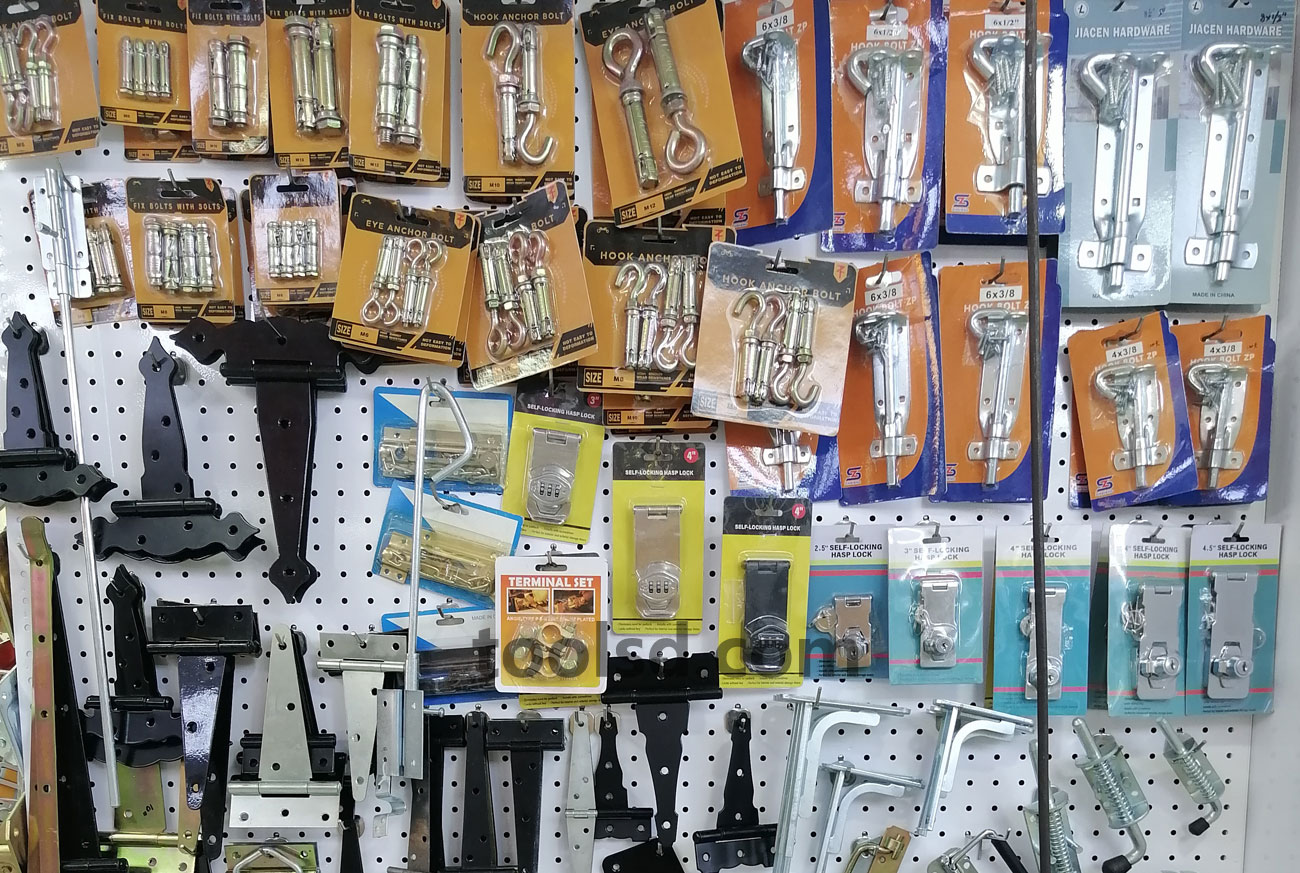
FH-019 Expansion Bolt Wall Anchor Assortment with Nuts Washers
Carbon steel grade 4.8 sleeve expansion bolt kits with matching nuts, washers and expansion shields, M6-M16 multi-size options for concrete, brick and masonry construction fixing, indoor & outdoor anti-rust zinc plated finish.
500 pcsFH-020
FH-020 Eye Bolt with Nut Lifting Ring Bolt Assortment
DIN 580 certified lifting eye bolt kits, available in Q235 carbon steel and 304 stainless steel, M6-M16 sizes with WLL 50kg-500kg, complete with nut and washer for machinery lifting, overhead hanging and industrial rigging applications.
300 pcs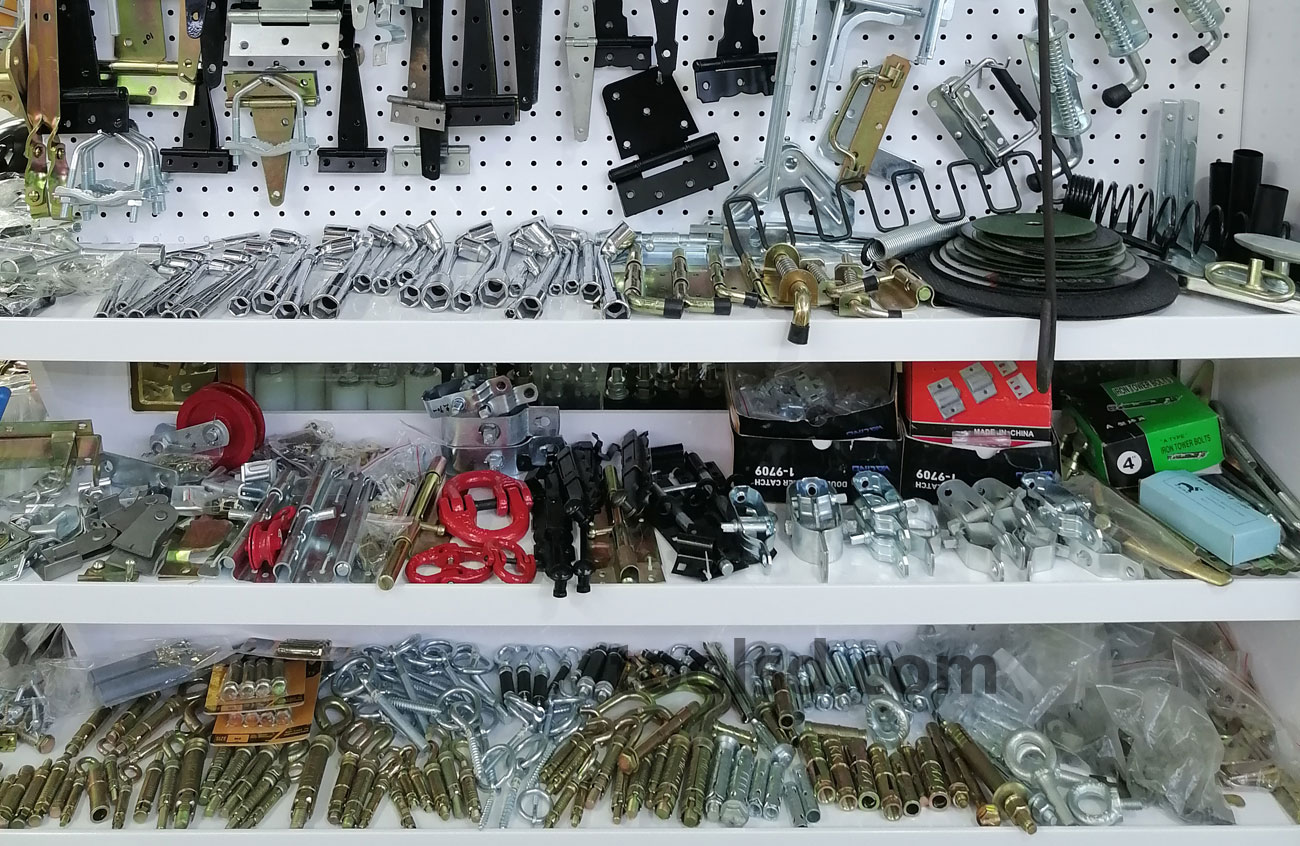
FH-021
FH-021 Chemical Anchor Bolt Expansion Bolt Bulk Construction Fastener Mix
Heavy-duty chemical anchor bolt kits with Grade 5.8 & Grade 8.8 carbon steel studs, M8-M20 full sizes, equipped with matched resin capsules, nuts and washers; hot dip galvanized anti-rust option for structural concrete, bridge and heavy industrial construction fixing.
1000 pcs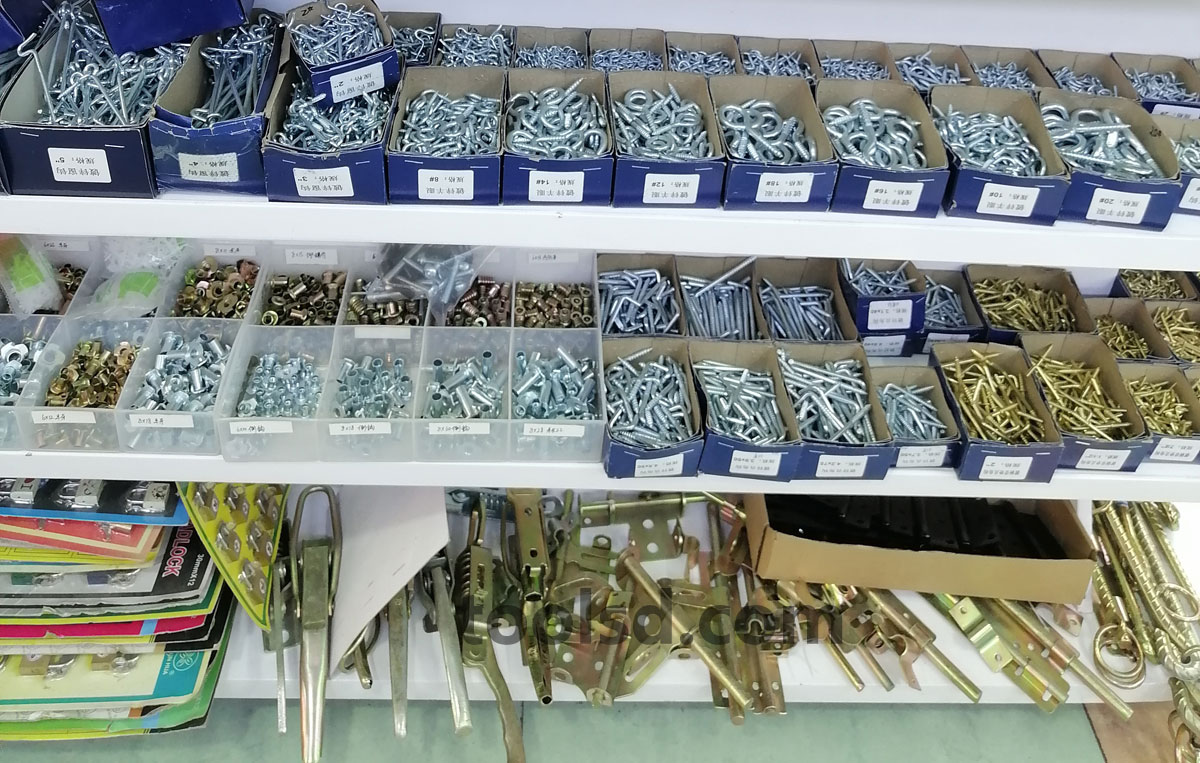
FH-022
FH-022 Eye Bolt with Nut Lifting Ring Bolt Boxed Assortment
DIN 580 & CE certified lifting eye bolt kits, available in Q235 carbon steel and 304 stainless steel, M6-M16 multi-size boxed sets with WLL 50kg-450kg, complete with nut and washer for machinery lifting, overhead hanging and industrial rigging applications.
300 pcs