Product Details
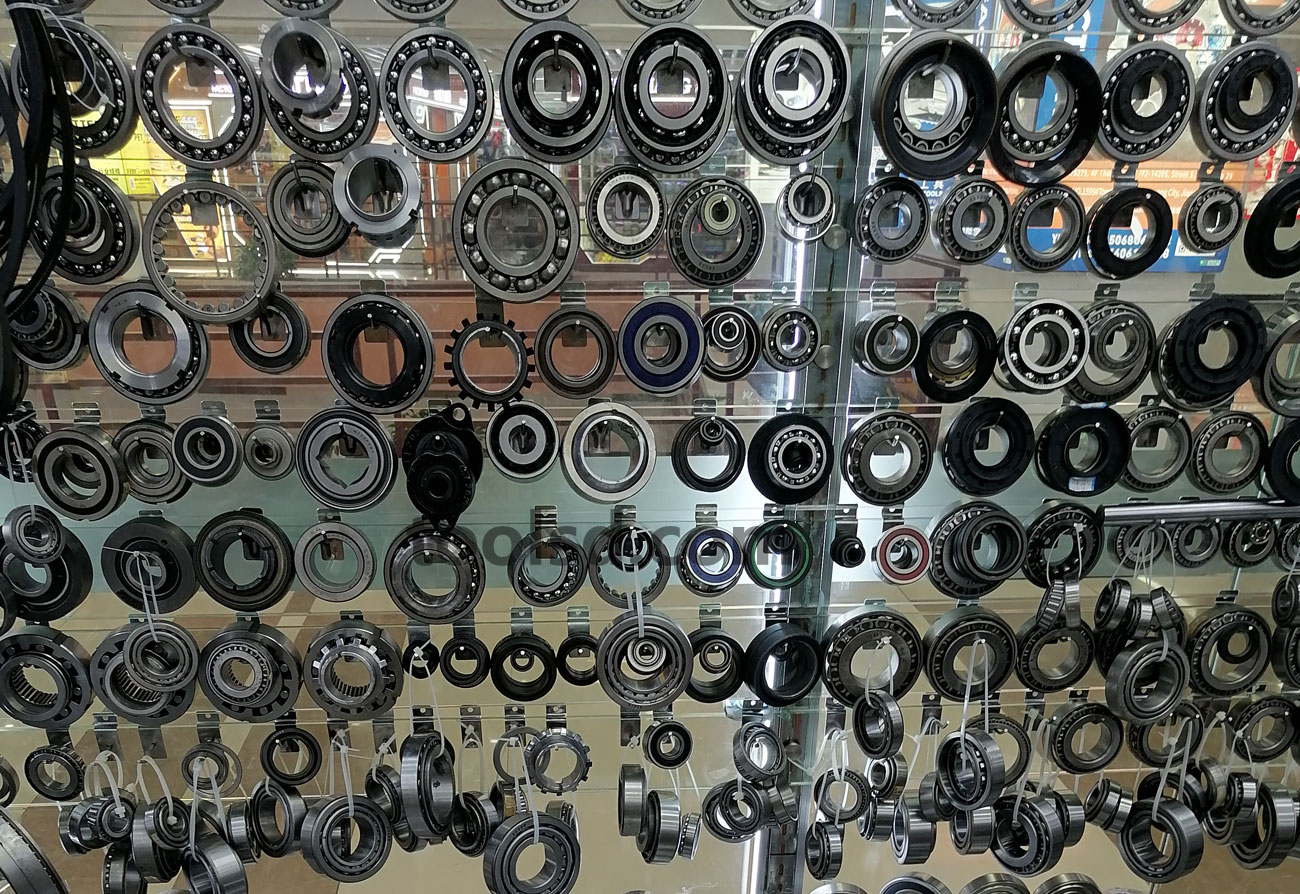
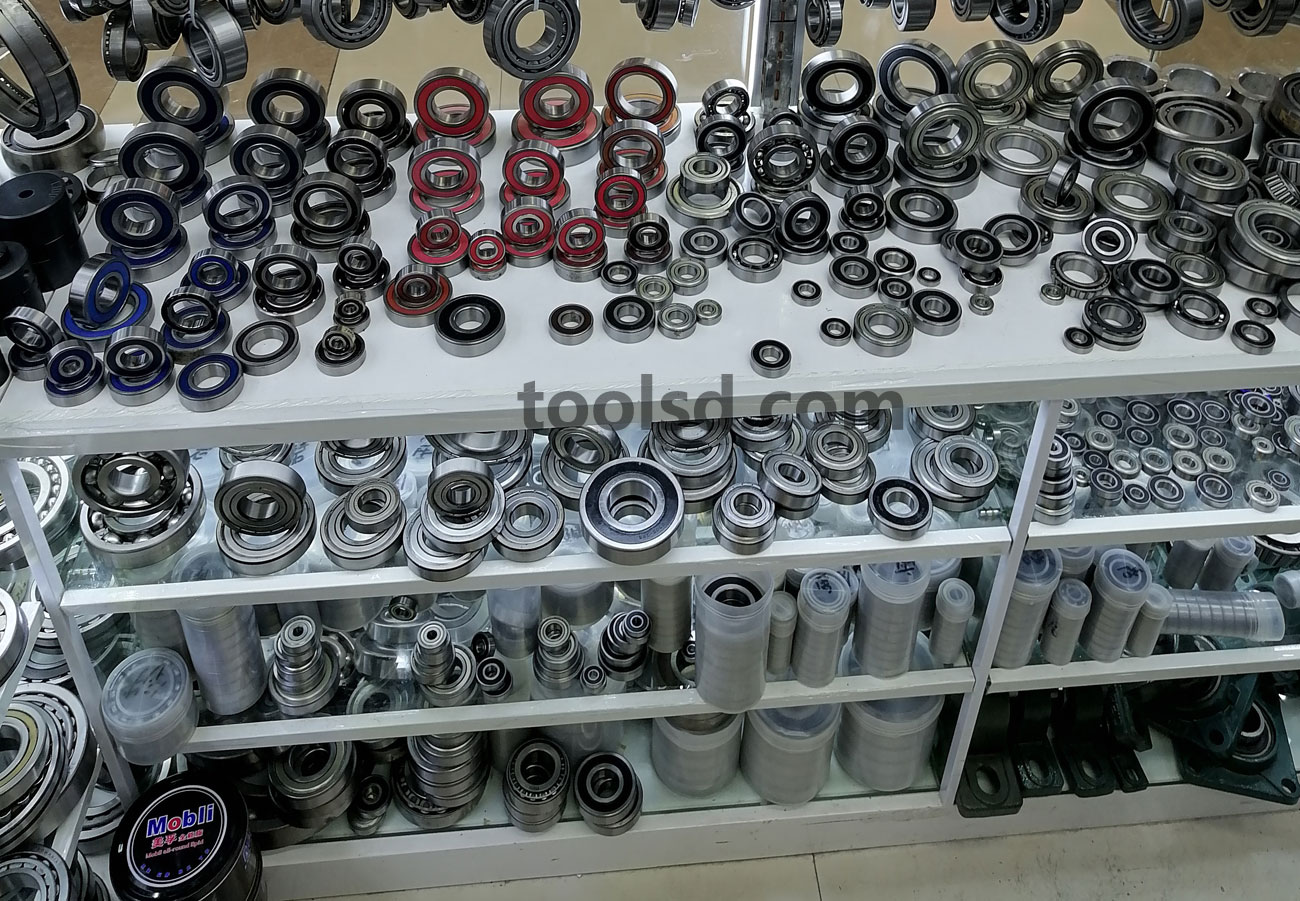
LD-405 Chrome Steel Cylindrical Roller Bearing NU NJ N Series Single Row
LD-405 chrome steel cylindrical roller bearings in NU/NJ/N series. Single row cylindrical rollers, high radial load capacity, suitable for high speed. GCr15 steel, brass or steel cage, separable design.
Cylindrical roller bearings use cylindrical rollers as the rolling elements instead of balls, providing a much larger contact area between the rolling elements and the raceways. This line contact design gives cylindrical roller bearings significantly higher radial load capacity compared to ball bearings of the same size, making them ideal for heavy-duty industrial applications. The LD-405 single-row cylindrical roller bearing series is also well-suited for high-speed operation due to the pure rolling motion of the rollers, which generates less friction and heat than other roller bearing types.
The LD-405 series is available in multiple design variants based on the rib configuration of the inner and outer rings. N-type bearings have two ribs on the outer ring and no ribs on the inner ring, allowing the inner ring to be removed separately and accommodating axial displacement of the shaft relative to the housing. NU-type bearings have two ribs on the inner ring and no ribs on the outer ring, with the outer ring being removable. NJ-type bearings have two ribs on the inner ring and one rib on the outer ring, enabling them to handle a moderate axial load in one direction. NUP-type bearings have two ribs on both rings plus a loose rib, providing axial location in both directions. Bore diameters range from 12mm to 120mm across the 200, 300, and 1000 series.
Manufactured from high carbon chromium bearing steel (GCr15/SUJ2), both the rings and rollers are through-hardened and precision-ground to tight tolerances. The cylindrical rollers are barrel-finished for smooth surface texture and optimized contact geometry. Cage options include machined brass for heavy-duty and high-temperature applications, stamped steel for general-purpose and high-speed use, and polyamide (nylon) for lightweight and quiet operation. Full complement designs without a cage are also available for maximum radial load capacity at lower speeds.
The separable design of cylindrical roller bearings is one of their key advantages, simplifying installation and maintenance, particularly in applications where both interference fits and frequent disassembly are required. The LD-405 series is manufactured to ABEC 1 through ABEC 5 precision standards, with higher precision grades available upon request. Typical applications include large electric motors, industrial gearboxes, pumps, compressors, machine tool spindles, rolling mills, and wind turbine gearboxes, where high radial loads and reliable performance under demanding conditions are required.
Core Features
- High radial load capacity due to line contact between cylindrical rollers and raceways
- Suitable for high-speed operation with low friction and heat generation
- Multiple design variants: N, NU, NJ, NUP, and NF types with different rib configurations
- Separable inner and outer rings for easy mounting and disassembly
- Accommodates axial displacement of the shaft relative to the housing
- High carbon chromium GCr15/SUJ2 steel with precision-ground rollers and raceways
- Cage options: machined brass, stamped steel, and polyamide (nylon)
- Full complement design available for maximum radial load at lower speeds
Application Scenarios
- Large electric motors, generators, and traction motors
- Industrial gearboxes, speed reducers, and planetary drives
- Pumps, centrifugal compressors, and blowers
- Machine tool spindles, gear heads, and machining centers
- Rolling mills, steel mills, and metal processing equipment
- Wind turbine gearboxes and renewable energy systems
FAQ
What is the difference between N, NU, and NJ type cylindrical roller bearings?
N-type bearings have two ribs on the outer ring and a ribless inner ring, so the inner ring can move axially relative to the outer ring and shaft. NU-type bearings have two ribs on the inner ring and a ribless outer ring, allowing the outer ring to be removed and accommodating axial displacement. NJ-type bearings have two ribs on the inner ring and one rib on the outer ring, enabling them to carry moderate axial load in one direction in addition to radial load. NUP-type adds a loose rib to the NJ design for bidirectional axial location.
When should I use cylindrical roller bearings instead of ball bearings?
Cylindrical roller bearings should be used when the application has heavy radial loads that exceed the capacity of deep groove ball bearings of the same size. The line contact between rollers and raceways provides 2-3 times the radial load capacity of equivalent-sized ball bearings. Cylindrical roller bearings are also preferred for high-speed heavy-load applications, when axial shaft displacement needs to be accommodated, or when a separable bearing design simplifies installation and maintenance.
What is a full complement cylindrical roller bearing and when is it used?
A full complement cylindrical roller bearing has no cage and contains the maximum number of rollers that can fit in the available space. This design provides the highest possible radial load capacity, but at the cost of reduced speed capability due to increased friction and heat generation from roller-to-roller contact. Full complement bearings are ideal for low-to-moderate speed applications with very heavy radial loads, such as rolling mills, heavy machinery, and material handling equipment.
How does the separable design of cylindrical roller bearings benefit installation?
The separable design means the inner ring with rollers and cage can be installed separately from the outer ring. This is particularly advantageous when both rings require an interference fit, as each ring can be pressed onto the shaft or into the housing independently. It also simplifies maintenance, as the inner ring assembly can be removed for inspection or replacement without disturbing the outer ring or adjacent components. This feature saves significant time during assembly, disassembly, and servicing of machinery.
Related Products
FH-019
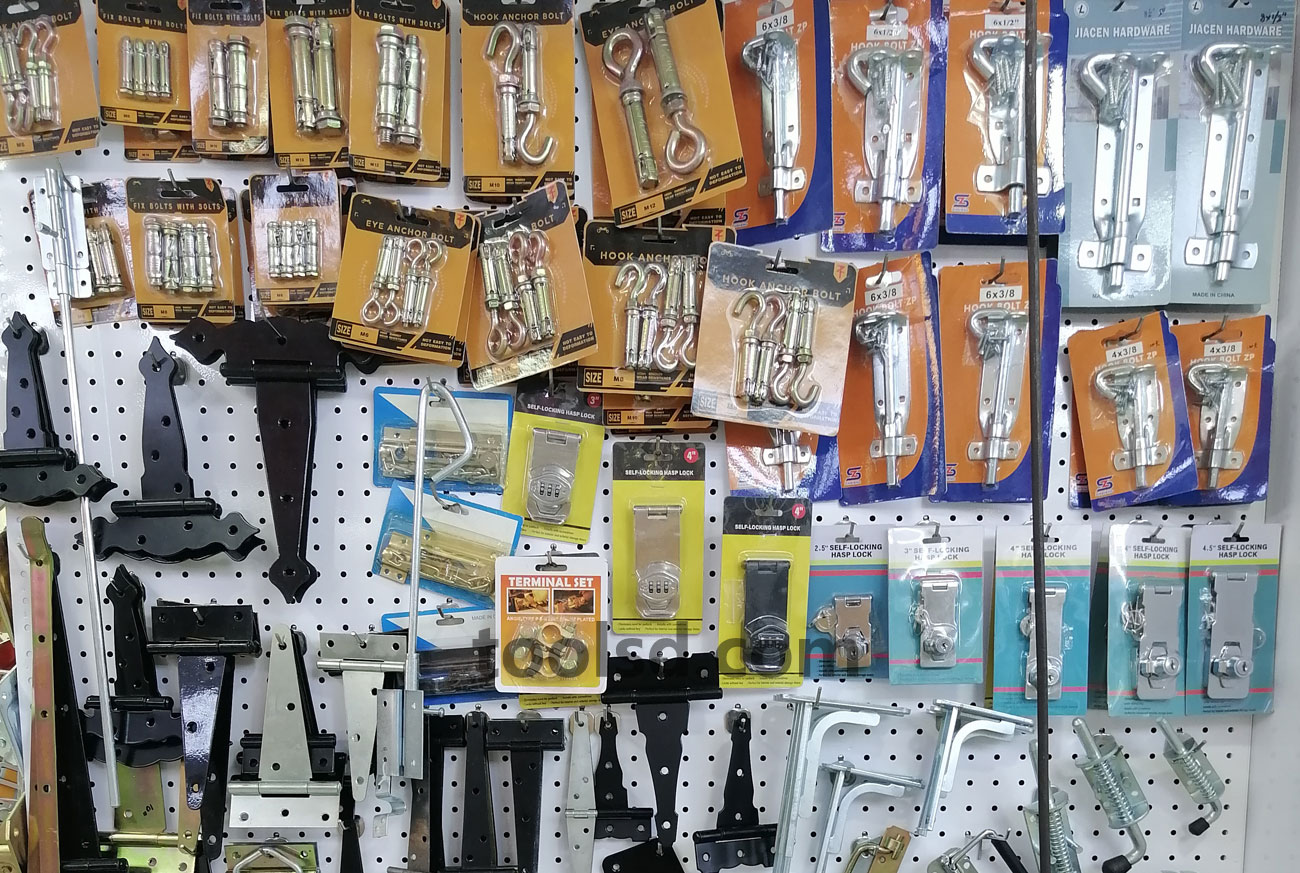
FH-019 Expansion Bolt Wall Anchor Assortment with Nuts Washers
Carbon steel grade 4.8 sleeve expansion bolt kits with matching nuts, washers and expansion shields, M6-M16 multi-size options for concrete, brick and masonry construction fixing, indoor & outdoor anti-rust zinc plated finish.
500 pcsFH-020
FH-020 Eye Bolt with Nut Lifting Ring Bolt Assortment
DIN 580 certified lifting eye bolt kits, available in Q235 carbon steel and 304 stainless steel, M6-M16 sizes with WLL 50kg-500kg, complete with nut and washer for machinery lifting, overhead hanging and industrial rigging applications.
300 pcs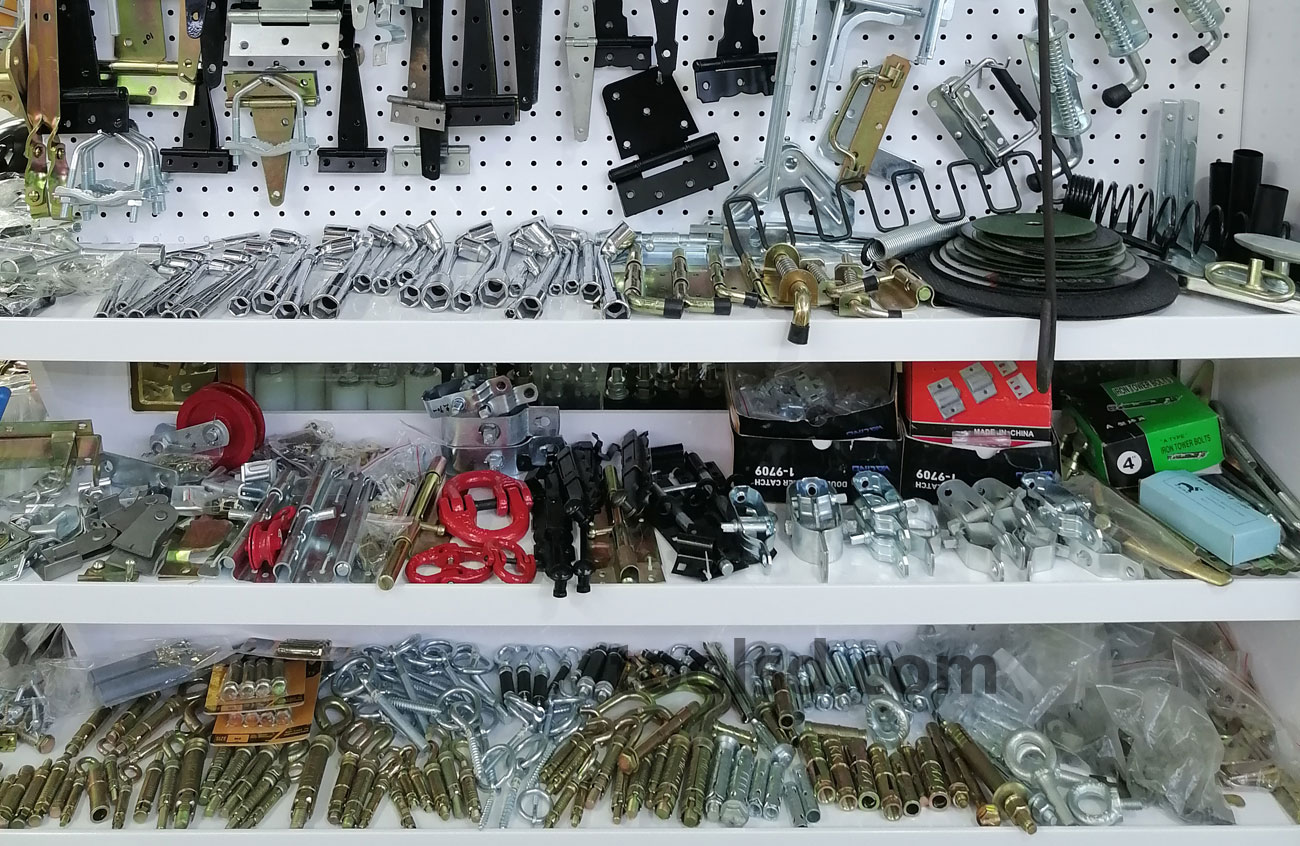
FH-021
FH-021 Chemical Anchor Bolt Expansion Bolt Bulk Construction Fastener Mix
Heavy-duty chemical anchor bolt kits with Grade 5.8 & Grade 8.8 carbon steel studs, M8-M20 full sizes, equipped with matched resin capsules, nuts and washers; hot dip galvanized anti-rust option for structural concrete, bridge and heavy industrial construction fixing.
1000 pcs
FH-022
FH-022 Eye Bolt with Nut Lifting Ring Bolt Boxed Assortment
DIN 580 & CE certified lifting eye bolt kits, available in Q235 carbon steel and 304 stainless steel, M6-M16 multi-size boxed sets with WLL 50kg-450kg, complete with nut and washer for machinery lifting, overhead hanging and industrial rigging applications.
300 pcs