Product Details
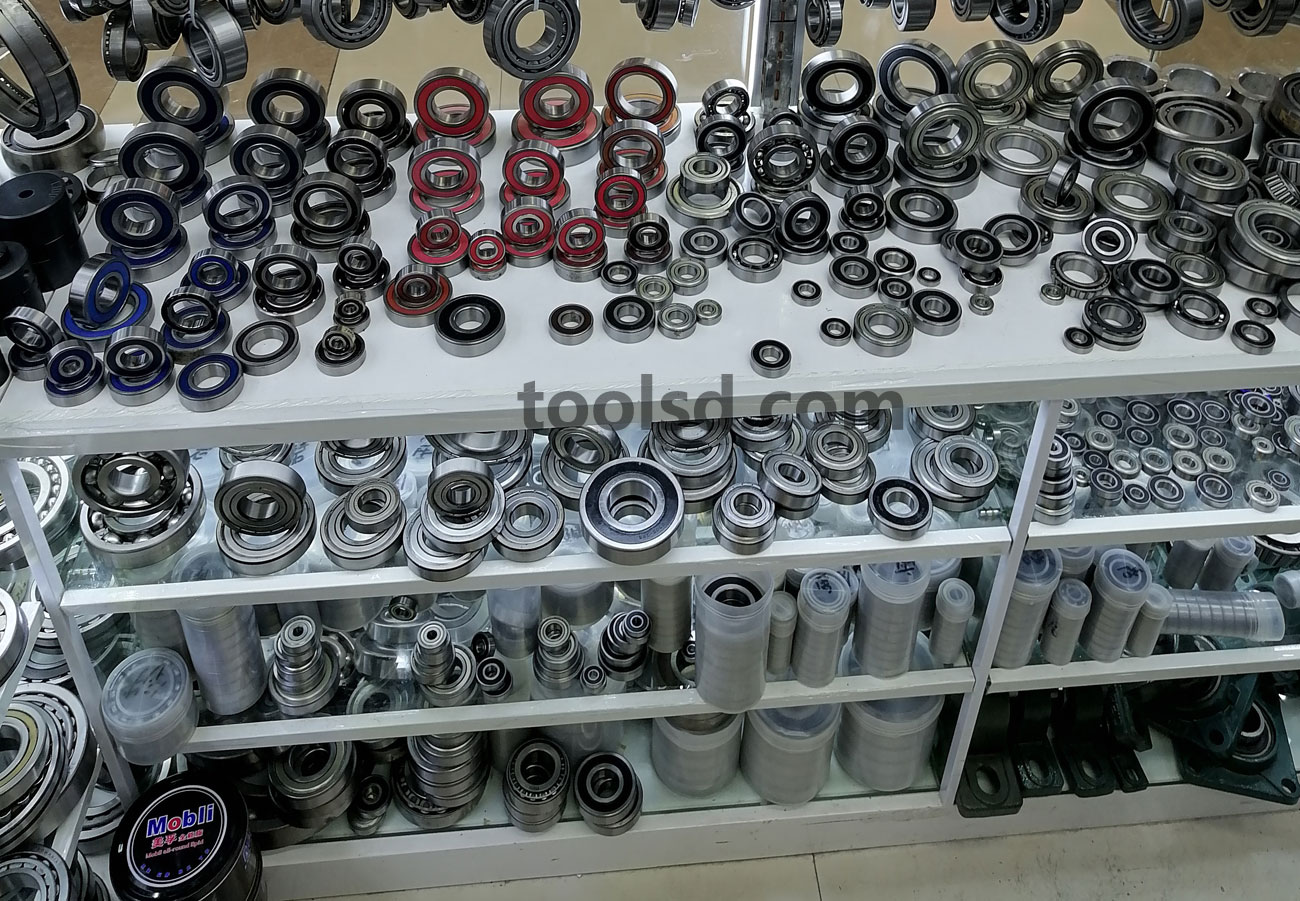
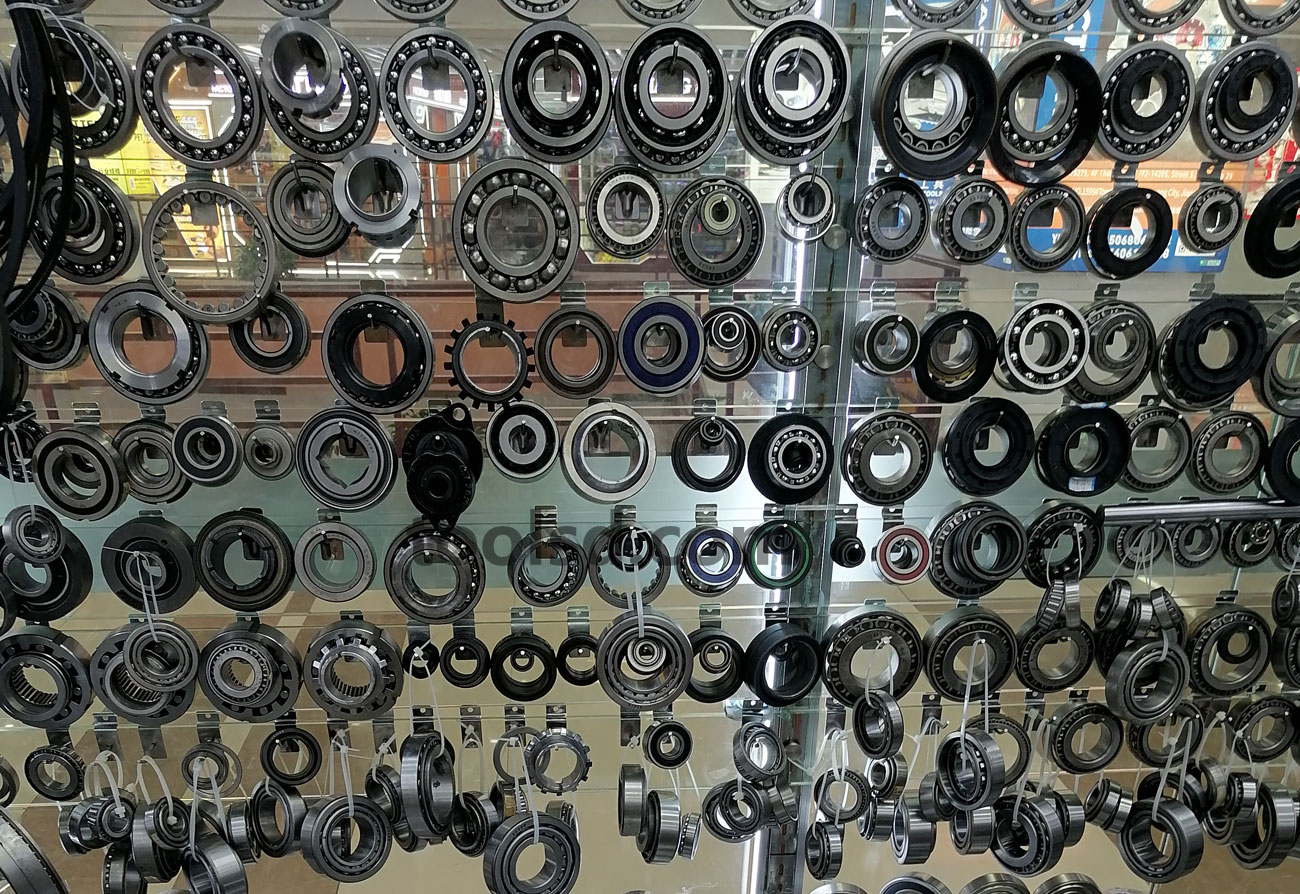
LD-404 Chrome Steel Thrust Ball Bearing 51100 51200 Axial Load Single Direction
LD-404 chrome steel thrust ball bearings in 51100/51200/51300 series. Single or double direction axial load only, not designed for radial loads. GCr15 steel washers, steel or brass cage, low-speed vertical applications.
Thrust ball bearings are specifically designed to handle axial (thrust) loads only and are not suitable for radial loads. The LD-404 single-direction thrust bearing consists of three main components: a shaft washer (inner ring with a raceway), a housing washer (outer ring with a raceway), and a ball and cage assembly containing the rolling elements. The shaft washer is mounted on the rotating shaft, while the housing washer sits in the stationary housing. This separable design allows for easy installation and disassembly, and the two washers can be handled independently during assembly.
The LD-404 series includes the 51100, 51200, 51300, and 51400 single-direction series, representing progressively increasing load capacities. The 51100 series is the light-duty option with the smallest profile, the 51200 series is the most commonly used medium-duty thrust bearing, the 51300 series provides heavy-duty capacity with more balls and larger washers, and the 51400 series offers the highest axial load ratings. Bore diameters range from 10mm to 150mm, with outer diameters from 24mm to 250mm and overall heights from 9mm to 60mm. Double-direction thrust bearings (52200/52300 series) are also available for applications requiring axial load support in both directions.
Manufactured from high carbon chromium bearing steel (GCr15/SUJ2), the bearing washers and balls are through-hardened and precision-ground to ensure flat, accurate raceways that distribute the axial load evenly across all balls. The stamped steel cage provides reliable spacing and guidance of the balls, while machined brass cages are available for applications requiring higher strength or corrosion resistance. Black oxide surface treatment is available for additional corrosion protection and improved break-in characteristics.
It is important to note that thrust ball bearings have significant speed limitations compared to radial bearings due to centrifugal forces acting on the balls at higher rotational speeds. They are best suited for low-to-moderate speed applications where the primary load is purely axial, such as vertical pumps, jack screws, automotive clutch mechanisms, crane hooks, and rotary tables. For high-speed axial load applications, angular contact ball bearings or tapered roller bearings are generally more appropriate. Proper mounting requires the bearing to be aligned perpendicular to the shaft axis to ensure uniform load distribution across all rolling elements.
Core Features
- Designed exclusively for axial (thrust) loads; not suitable for radial loads
- Separable three-piece design: shaft washer, housing washer, and ball/cage assembly
- Available in single direction (51100/51200/51300) and double direction (52200/52300) types
- High carbon chromium GCr15/SUJ2 steel construction with precision-ground raceways
- Stamped steel cage standard; machined brass cage available for heavy-duty use
- Black oxide surface treatment option for corrosion resistance
- Wide size range: bore 10mm to 150mm, OD 24mm to 250mm
- Four load series available: 51100 (light) through 51400 (extra heavy)
Application Scenarios
- Vertical pumps, water pumps, and chemical process pumps
- Jack screws, lifting jacks, and hoist mechanisms
- Machine tool rotary tables and indexing heads
- Automotive clutch release bearings and steering columns
- Tower cranes, slewing rings, and heavy machinery hooks
- Food processing equipment and bottle capping machines
FAQ
Can thrust ball bearings handle radial loads as well?
No, thrust ball bearings are designed exclusively for axial (thrust) loads and cannot support significant radial loads. The raceways are flat rather than grooved, so radial forces would cause the balls to slide out of alignment and damage the bearing. If your application has both radial and axial loads, you should use angular contact ball bearings, tapered roller bearings, or a combination of a radial bearing with a thrust bearing.
What is the difference between single direction and double direction thrust bearings?
Single direction thrust ball bearings (51100, 51200, 51300 series) can handle axial load in only one direction and consist of two washers (shaft and housing) with one ball/cage assembly. Double direction thrust ball bearings (52200, 52300 series) can handle axial loads in both directions and consist of three washers (a center shaft washer and two housing washers) with two ball/cage assemblies. Double direction bearings are used when the shaft experiences bidirectional axial thrust.
What is the maximum speed rating for thrust ball bearings?
Thrust ball bearings have significantly lower speed limits than radial bearings due to centrifugal forces that push the balls outward at high speeds, causing increased friction, heat, and potential cage damage. The exact speed limit depends on the bearing size, series, lubrication method, and load. As a general guideline, thrust ball bearings are suitable for low-to-moderate speeds, typically ranging from a few hundred RPM up to approximately 1500-2000 RPM for smaller sizes. For high-speed axial load applications, angular contact ball bearings are a better choice.
How should thrust ball bearings be mounted and aligned?
Thrust ball bearings must be mounted with the bearing axis perfectly perpendicular to the shaft axis to ensure even load distribution across all balls. The shaft washer should be a press fit on the shaft, while the housing washer typically has a loose fit in the housing bore. For vertical shaft applications, the bearing is usually mounted at the bottom to support the weight of the shaft and any attached components. Proper alignment is critical - even small amounts of misalignment can cause uneven loading, accelerated wear, and reduced bearing life.
Related Products
FH-019
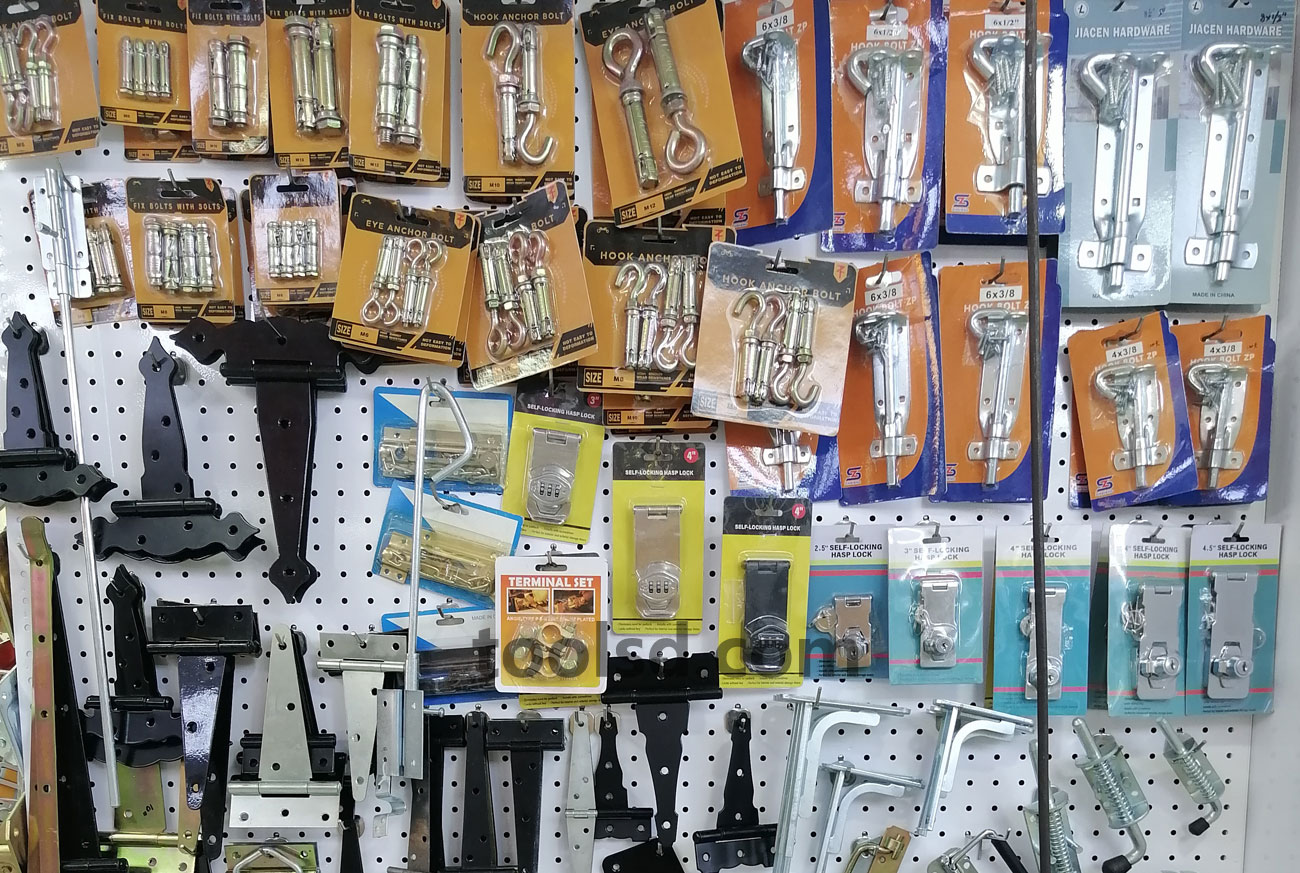
FH-019 Expansion Bolt Wall Anchor Assortment with Nuts Washers
Carbon steel grade 4.8 sleeve expansion bolt kits with matching nuts, washers and expansion shields, M6-M16 multi-size options for concrete, brick and masonry construction fixing, indoor & outdoor anti-rust zinc plated finish.
500 pcsFH-020
FH-020 Eye Bolt with Nut Lifting Ring Bolt Assortment
DIN 580 certified lifting eye bolt kits, available in Q235 carbon steel and 304 stainless steel, M6-M16 sizes with WLL 50kg-500kg, complete with nut and washer for machinery lifting, overhead hanging and industrial rigging applications.
300 pcs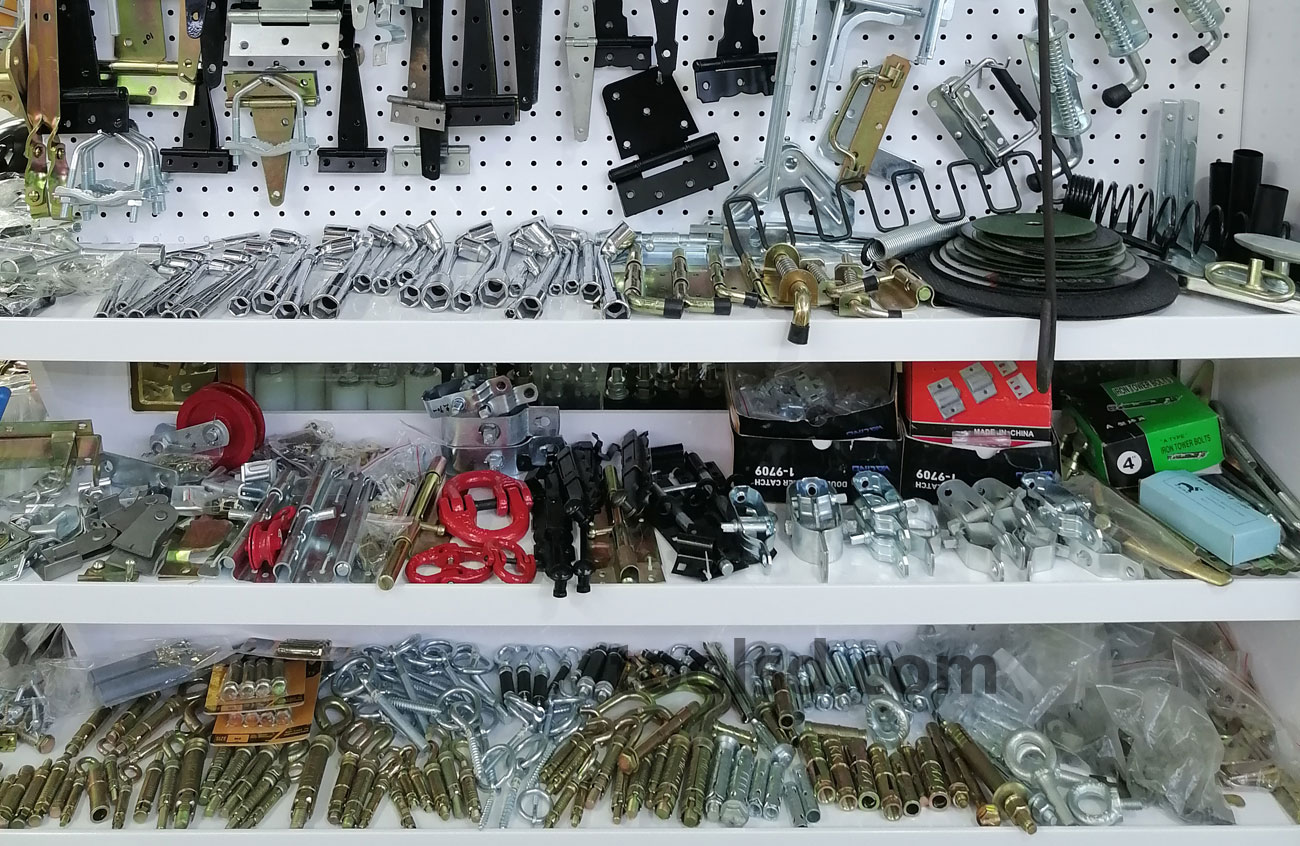
FH-021
FH-021 Chemical Anchor Bolt Expansion Bolt Bulk Construction Fastener Mix
Heavy-duty chemical anchor bolt kits with Grade 5.8 & Grade 8.8 carbon steel studs, M8-M20 full sizes, equipped with matched resin capsules, nuts and washers; hot dip galvanized anti-rust option for structural concrete, bridge and heavy industrial construction fixing.
1000 pcs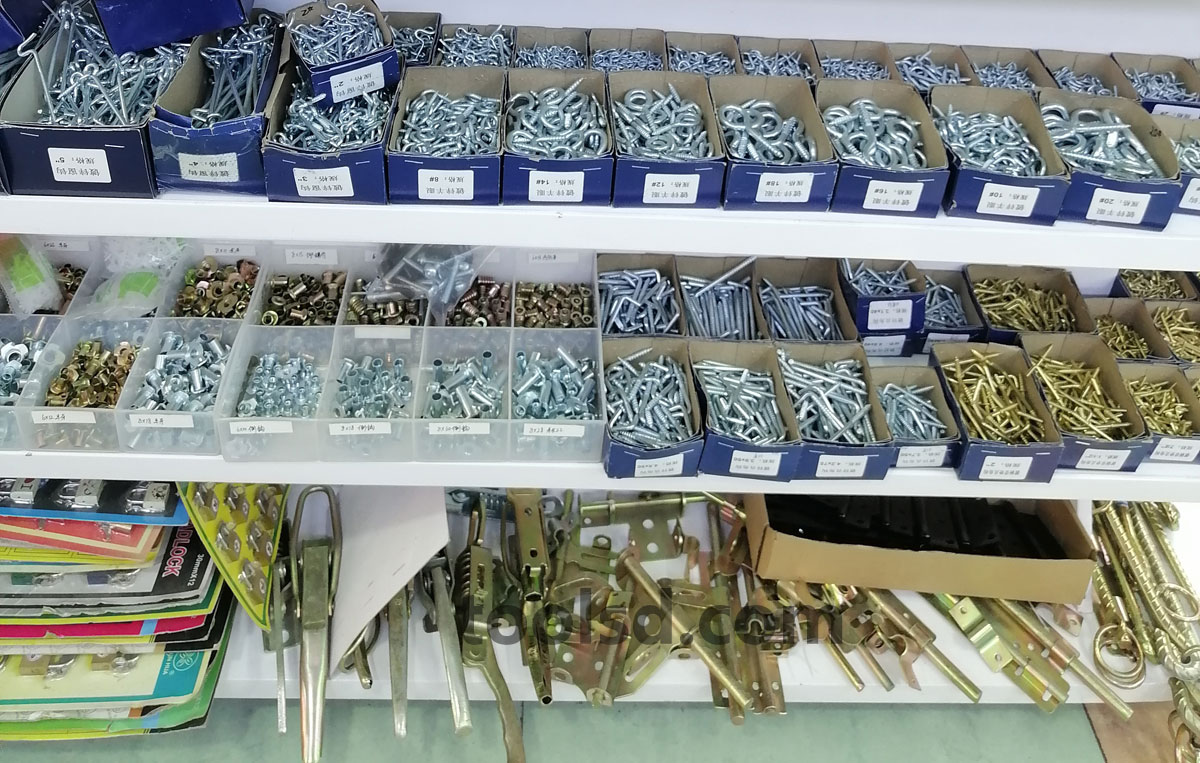
FH-022
FH-022 Eye Bolt with Nut Lifting Ring Bolt Boxed Assortment
DIN 580 & CE certified lifting eye bolt kits, available in Q235 carbon steel and 304 stainless steel, M6-M16 multi-size boxed sets with WLL 50kg-450kg, complete with nut and washer for machinery lifting, overhead hanging and industrial rigging applications.
300 pcs