Product Details
LD-399 Carbon Steel Lag Screws Lag Bolts Hex Head Heavy Duty Wood Timber | Wholesale Supplier
LD-399 carbon steel lag screws and lag bolts with hex head. 1/4"-3/8" or M6-M10 diameter, 50-150mm length. Heavy duty coarse thread for wood and timber, zinc plated.
The LD-399 carbon steel lag screws, also known as lag bolts, are heavy-duty threaded fasteners designed for making strong, load-bearing connections in wood and timber structures. Unlike standard wood screws, lag screws feature a thick shank and a deep, coarse thread that provides exceptional pull-out resistance in both softwood and hardwood structural members. Manufactured from carbon steel Grade 4.6/4.8, these fasteners combine high tensile strength with the ductility needed to withstand structural loads, vibration, and seasonal wood movement without fracturing. The hex head provides a broad bearing surface for wrench or socket engagement, allowing high installation torque to be applied for maximum clamping force and thread engagement in the substrate.
The gimlet point at the tip of each lag screw is a tapered, thread-forming feature that helps center the screw and initiates thread cutting when the fastener is driven into a pilot hole. The gimlet point reduces the torque required to start the thread and helps the screw track straight without wandering, which is essential for achieving properly aligned structural connections. Unlike self-drilling screws that can create their own holes in thin metal, lag screws require a pre-drilled pilot hole in wood to prevent splitting, particularly in hardwoods and at the ends of timber members where splitting risk is highest. The pilot hole diameter should match approximately 60 to 75 percent of the shank diameter for the threaded portion, ensuring strong thread engagement while allowing the screw to drive without excessive resistance.
Lag screws are the fastener of choice for heavy timber construction where high shear and tensile loads must be transferred between structural members. Common applications include securing ledger boards to rim joists in deck construction, fastening beams and posts in pergolas and gazebos, attaching railing posts to deck framing, anchoring machinery and equipment bases to wooden floors, and connecting timber bridge and dock components. The coarse thread provides deep bite into the wood fibers for resistance to withdrawal forces, while the large shank diameter resists shear loads across the grain. When used with flat washers, the hex head distributes clamping pressure to prevent crushing of the wood surface under load, and the combination of nut and washer on through-bolted connections provides a mechanically interlocked joint.
Proper installation is essential for achieving the full structural capacity of lag screws. A pilot hole must be drilled to the correct diameter for the wood species and screw size, with a clearance hole drilled through any components that the screw must pass through before engaging threads in the substrate. For hardwoods, the pilot hole should be slightly larger than for softwoods to prevent splitting and reduce driving torque. Lag screws should be driven with a socket wrench or impact driver using steady, controlled torque rather than excessive speed, allowing the thread to cut and seat properly without overheating or galling. Zinc plating in white blue or yellow finishes provides corrosion resistance for most indoor and sheltered outdoor applications, while galvanized and stainless steel 304 options extend service life in exposed, damp, and chemical environments.
Core Features
- Carbon steel Grade 4.6/4.8 for high tensile strength and structural loads
- Coarse deep lag thread for exceptional pull-out resistance in wood
- Hex head for high-torque wrench and socket engagement
- Gimlet point for centered thread starting and straight tracking
- DIN 571 standard dimensions for consistent interchangeability
- Size range 1/4 to 3/8 inch or M6-M10, lengths 50-150mm
- White blue zinc, yellow zinc, galvanized, and stainless steel options
- CE, ISO 9001, and DIN 571 certified quality
Application Scenarios
- Deck ledger board and framing connections
- Pergola, gazebo, and timber frame construction
- Railing post and balustrade anchoring
- Machinery and equipment base mounting
- Dock, bridge, and outdoor timber structures
- Heavy-duty furniture and workbench assembly
FAQ
Do lag screws require a pilot hole?
Yes, lag screws require a pre-drilled pilot hole to prevent wood splitting and reduce driving torque. The pilot hole diameter should be approximately 60 to 75 percent of the shank diameter for the threaded portion. For through-bolted connections, drill a clearance hole through the top component equal to or slightly larger than the shank diameter.
What is the difference between a lag screw and a carriage bolt?
Lag screws thread directly into the wood substrate without a nut, using the coarse thread to create their own internal threads in the pilot hole. Carriage bolts pass completely through the joint and are secured with a nut and washer on the opposite side. Lag screws are used where access to the back side is limited, while carriage bolts provide a mechanically interlocked through-connection.
Can lag screws be used in treated lumber?
Yes, but the chemical preservatives in pressure-treated lumber can accelerate corrosion of carbon steel fasteners. For treated wood in ground contact or damp environments, use galvanized or stainless steel 304 lag screws for maximum service life. Yellow zinc plating provides adequate protection for above-ground treated lumber in moderately exposed conditions.
What size lag screw should I use for deck framing?
For typical residential deck framing connections, 3/8 inch (M10) lag screws 50-100mm in length are commonly used to secure ledger boards to rim joists. The exact size and quantity should be determined by local building codes and a structural engineer based on the anticipated loads, joist spacing, and connection type.
Related Products
FH-019
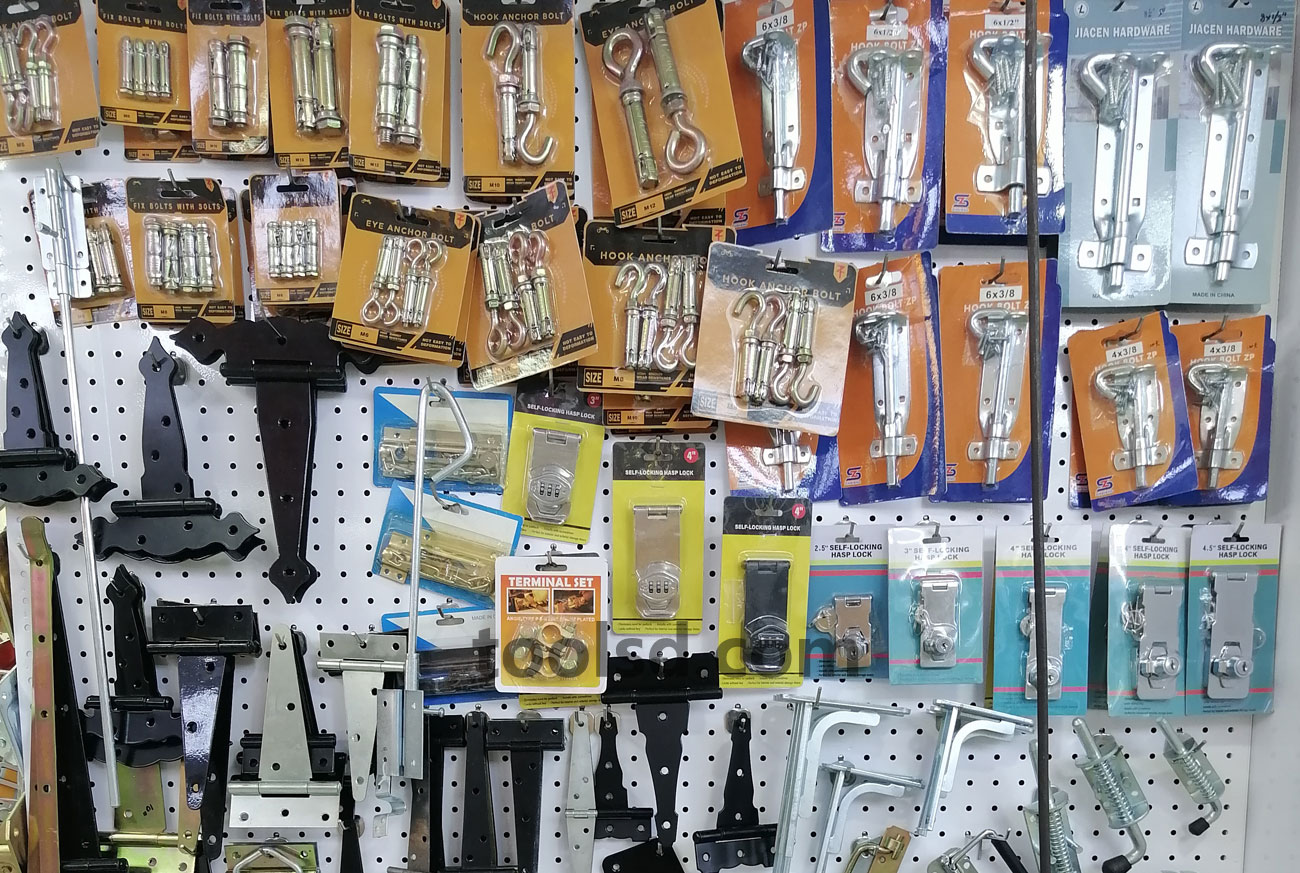
FH-019 Expansion Bolt Wall Anchor Assortment with Nuts Washers
Carbon steel grade 4.8 sleeve expansion bolt kits with matching nuts, washers and expansion shields, M6-M16 multi-size options for concrete, brick and masonry construction fixing, indoor & outdoor anti-rust zinc plated finish.
500 pcsFH-020
FH-020 Eye Bolt with Nut Lifting Ring Bolt Assortment
DIN 580 certified lifting eye bolt kits, available in Q235 carbon steel and 304 stainless steel, M6-M16 sizes with WLL 50kg-500kg, complete with nut and washer for machinery lifting, overhead hanging and industrial rigging applications.
300 pcs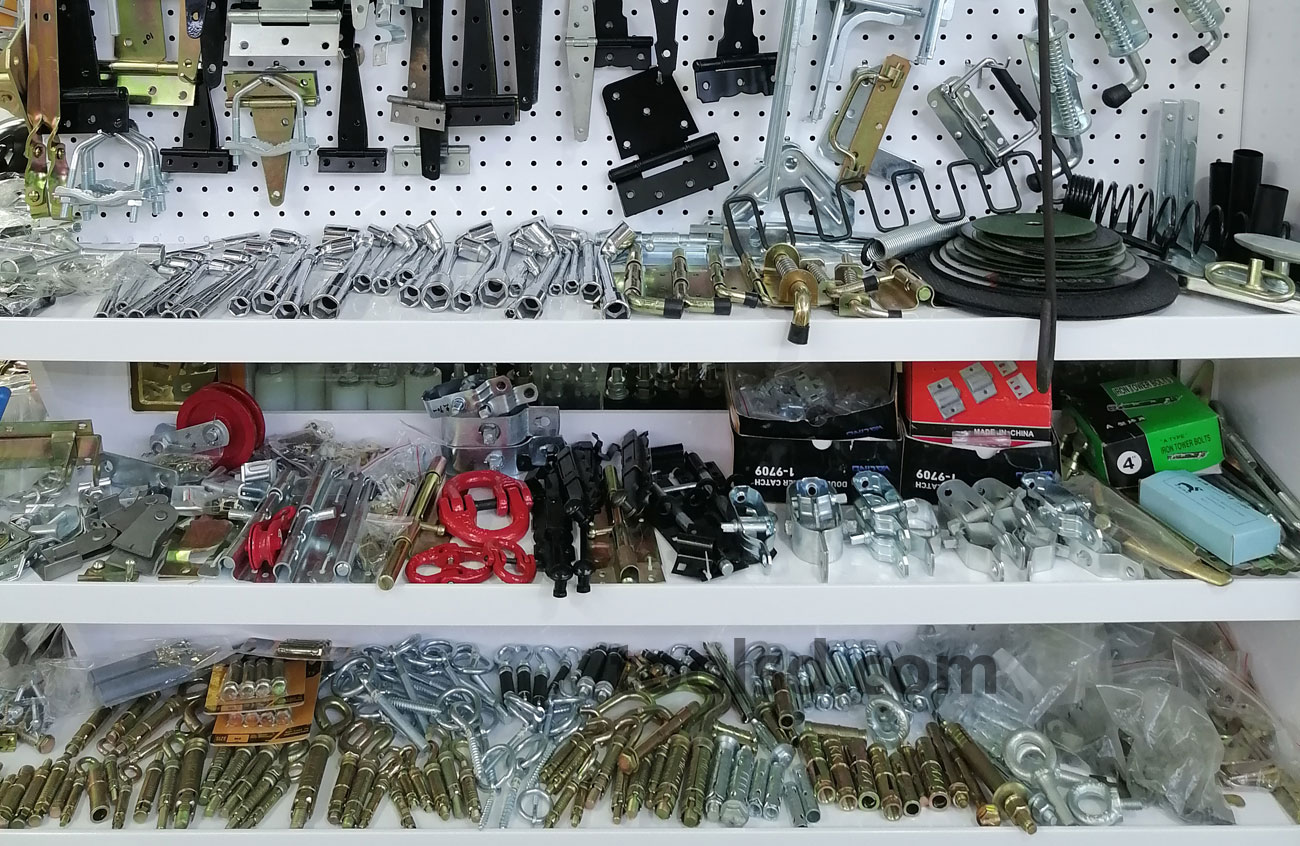
FH-021
FH-021 Chemical Anchor Bolt Expansion Bolt Bulk Construction Fastener Mix
Heavy-duty chemical anchor bolt kits with Grade 5.8 & Grade 8.8 carbon steel studs, M8-M20 full sizes, equipped with matched resin capsules, nuts and washers; hot dip galvanized anti-rust option for structural concrete, bridge and heavy industrial construction fixing.
1000 pcs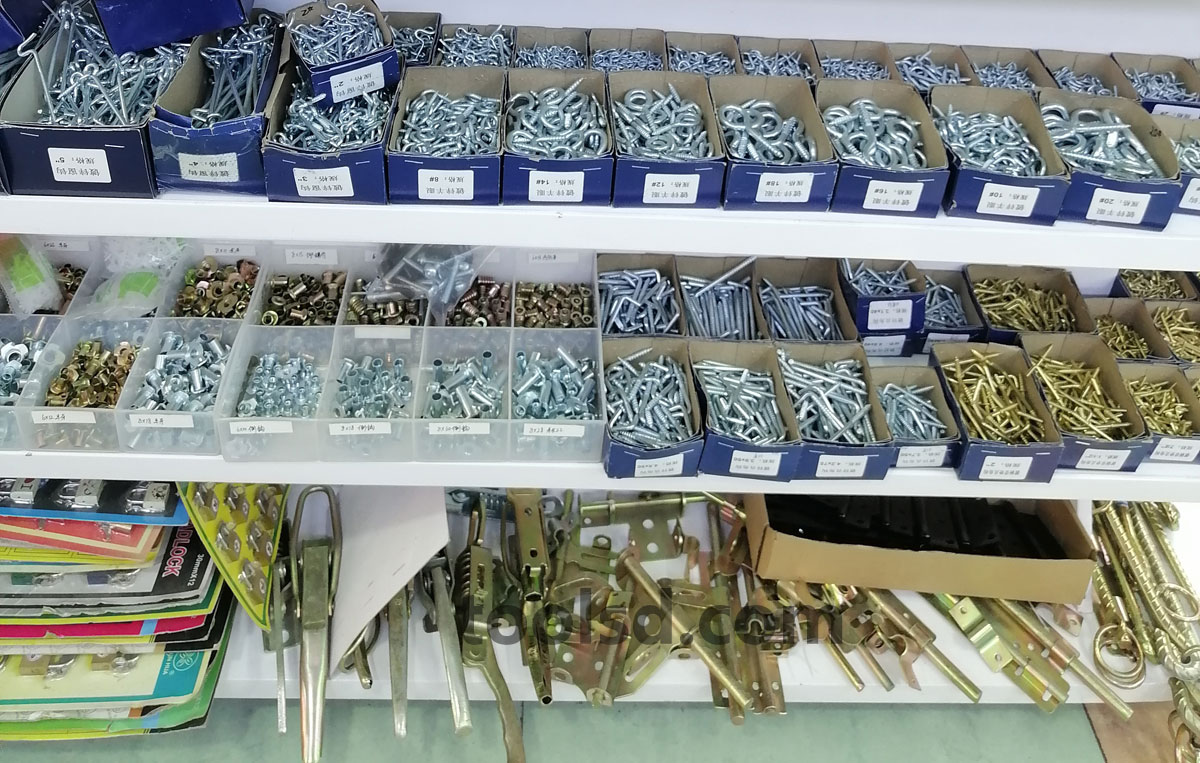
FH-022
FH-022 Eye Bolt with Nut Lifting Ring Bolt Boxed Assortment
DIN 580 & CE certified lifting eye bolt kits, available in Q235 carbon steel and 304 stainless steel, M6-M16 multi-size boxed sets with WLL 50kg-450kg, complete with nut and washer for machinery lifting, overhead hanging and industrial rigging applications.
300 pcs