Product Details
LD-386 Carbon Steel Zinc Expansion Sleeve Anchor Bolt Concrete Masonry
LD-386 carbon steel zinc expansion sleeve anchor bolts for concrete and masonry fastening. M6-M16 diameter, 50-200mm length, yellow or white zinc plating, hex or countersunk head.
The LD-386 carbon steel zinc expansion sleeve anchor is a versatile mechanical fastening solution engineered for securing fixtures to concrete and masonry substrates. The anchor features a precision-formed carbon steel body with a tapered cone at the base, paired with a stainless steel expansion clip that slides along the cone surface. When the hex nut is tightened to the specified torque, the cone is drawn upward into the expansion clip, forcing the clip outward against the walls of the drilled hole. This creates a positive friction-based interlock that effectively resists both tension and shear loads, providing reliable anchoring in a wide range of base materials. The stainless steel expansion clip delivers consistent expansion force and maintains its structural integrity even in humid or moderately corrosive environments, ensuring long-term performance at the critical contact point within the substrate.
The anchor body is manufactured from high-strength carbon steel and finished with zinc plating available in yellow zinc chromate or white/blue zinc options. Yellow zinc plating offers enhanced corrosion protection with a characteristic golden iridescent appearance, making it well-suited for outdoor and moderately corrosive environments. White/blue zinc plating provides a cleaner, more uniform aesthetic finish while still delivering reliable corrosion resistance for indoor and sheltered applications. The hex nut and flat washer are zinc-plated to match the anchor body, ensuring consistent corrosion protection across the entire assembly. Anti-rotation teeth molded into the anchor collar grip the fixture surface during installation, preventing the anchor from spinning in the hole while the nut is being tightened, which simplifies installation and ensures proper expansion.
The LD-386 is offered in a comprehensive size range from M6 to M16 diameters with lengths from 50mm to 200mm, accommodating a wide variety of fixture thicknesses and base material conditions. Each diameter is engineered to deliver specific load capacities, with larger diameters providing proportionally higher tension and shear resistance. Recommended installation torque values range from approximately 4 Nm for M6 anchors to 100 Nm for M16 anchors, ensuring proper clip expansion without risking damage to the base material. The anchor is available with either a hex head for raised installations or a flat countersunk head for flush-mount applications where a smooth surface finish is required. Installation involves drilling a hole to the specified diameter and depth using a carbide-tipped masonry bit, thoroughly cleaning the hole of dust and debris, inserting the anchor through the pre-drilled fixture hole, and tightening the nut to the recommended torque value using a calibrated torque wrench.
These expansion sleeve anchors are widely used across commercial, industrial, and residential construction applications. Common uses include securing structural steel brackets and angle irons to concrete floors and walls, mounting heavy machinery and equipment base plates, installing handrails and guardrails on concrete staircases, fastening equipment supports and structural frames, anchoring industrial shelving systems in warehouses and distribution centers, and mounting HVAC equipment and ductwork supports. The versatility of the expansion sleeve design makes it suitable for both cracked and uncracked concrete, solid brick masonry, and dense natural stone substrates. With CE and ISO 9001 certifications, the LD-386 delivers consistent quality and performance that meets the demands of professional contractors, facilities managers, and OEM manufacturers alike.
Core Features
- Carbon steel body with zinc plating for corrosion resistance
- Stainless steel expansion clip for reliable expansion force
- Anti-rotation teeth prevent anchor spinning during installation
- Available in M6 to M16 diameters with 50-200mm lengths
- Hex head or flat countersunk head options
- High load capacity in both tension and shear
- Suitable for cracked and uncracked concrete
- Metric coarse thread for standard nut compatibility
Application Scenarios
- Securing structural steel brackets to concrete floors
- Mounting heavy machinery and equipment base plates
- Installing handrails and guardrails on concrete stairs
- Fastening equipment supports and structural frames
- Anchoring industrial shelving systems in warehouses
- Mounting HVAC equipment and ductwork supports
FAQ
What base materials are suitable for LD-386 sleeve anchors?
The LD-386 expansion sleeve anchors are designed for use in concrete (both cracked and uncracked), solid brick, and dense natural stone. They are not recommended for hollow materials or lightweight aerated block without proper testing. For hollow substrates, consider using a hollow wall anchor or chemical anchor instead.
What is the difference between yellow zinc and white/blue zinc plating?
Yellow zinc chromate plating provides higher corrosion resistance and is preferred for outdoor or humid environments. It has a characteristic golden iridescent appearance. White/blue zinc plating offers a cleaner, brighter aesthetic finish suitable for indoor applications while still providing good corrosion protection. Both finishes meet standard zinc plating thickness requirements.
Can these anchors be removed after installation?
Expansion sleeve anchors are designed for permanent installations. While the nut and washer can be removed for fixture detachment, the expansion clip remains permanently locked in the substrate. The anchor body cannot be removed without drilling or cutting it out. For temporary or reusable fastening applications, consider using a drop-in anchor with a threaded insert or a removable bolt system instead.
What torque should be applied during installation?
Recommended installation torque ranges from approximately 4 Nm for M6 anchors to 100 Nm for M16 anchors. Always refer to the specific product data sheet for exact torque values corresponding to each diameter. Overtightening can damage the base material or strip the threads, while undertightening may result in insufficient expansion and reduced load capacity. Use a calibrated torque wrench for best results.
Related Products
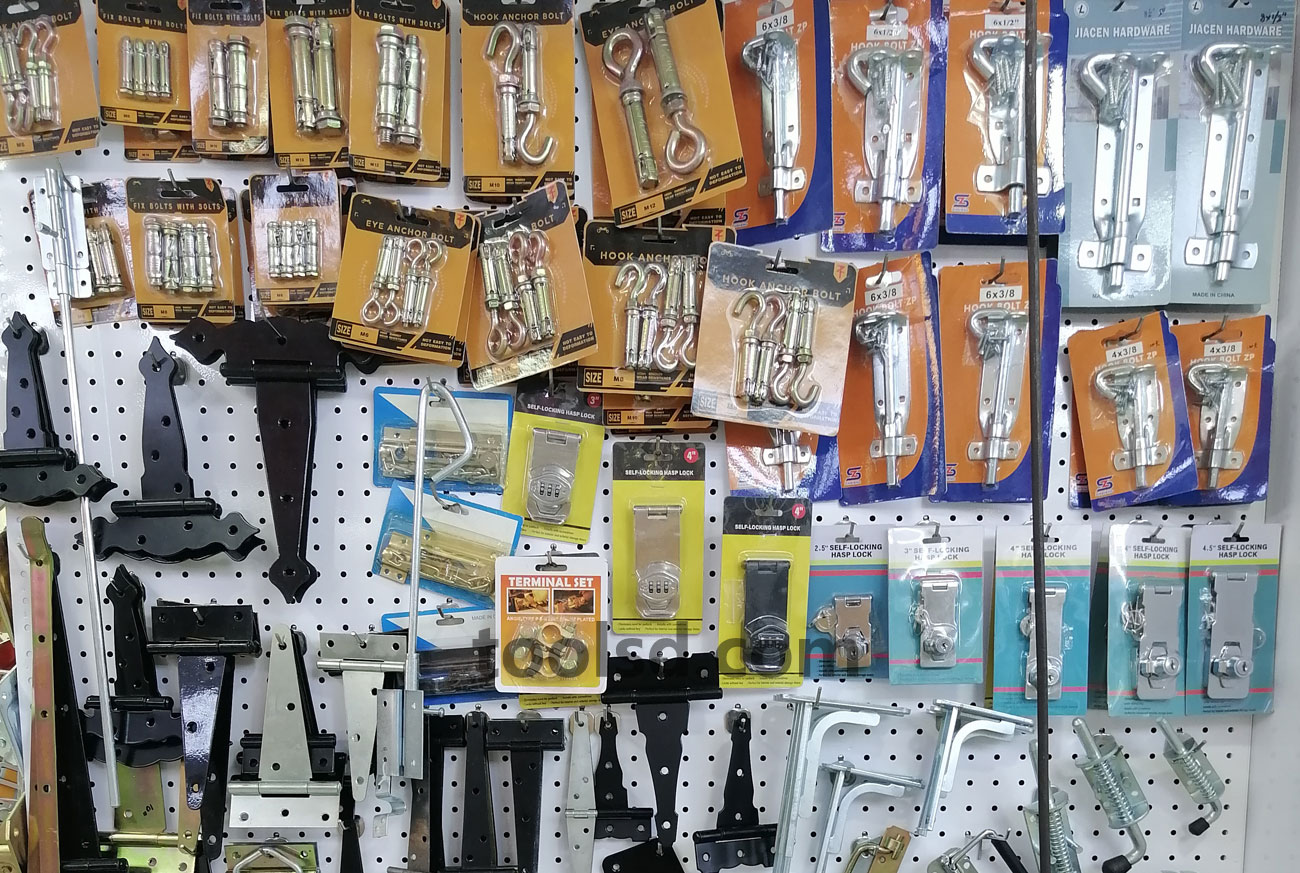
FH-019
FH-019 Expansion Bolt Wall Anchor Assortment with Nuts Washers
Carbon steel grade 4.8 sleeve expansion bolt kits with matching nuts, washers and expansion shields, M6-M16 multi-size options for concrete, brick and masonry construction fixing, indoor & outdoor anti-rust zinc plated finish.
500 pcsFH-020
FH-020 Eye Bolt with Nut Lifting Ring Bolt Assortment
DIN 580 certified lifting eye bolt kits, available in Q235 carbon steel and 304 stainless steel, M6-M16 sizes with WLL 50kg-500kg, complete with nut and washer for machinery lifting, overhead hanging and industrial rigging applications.
300 pcs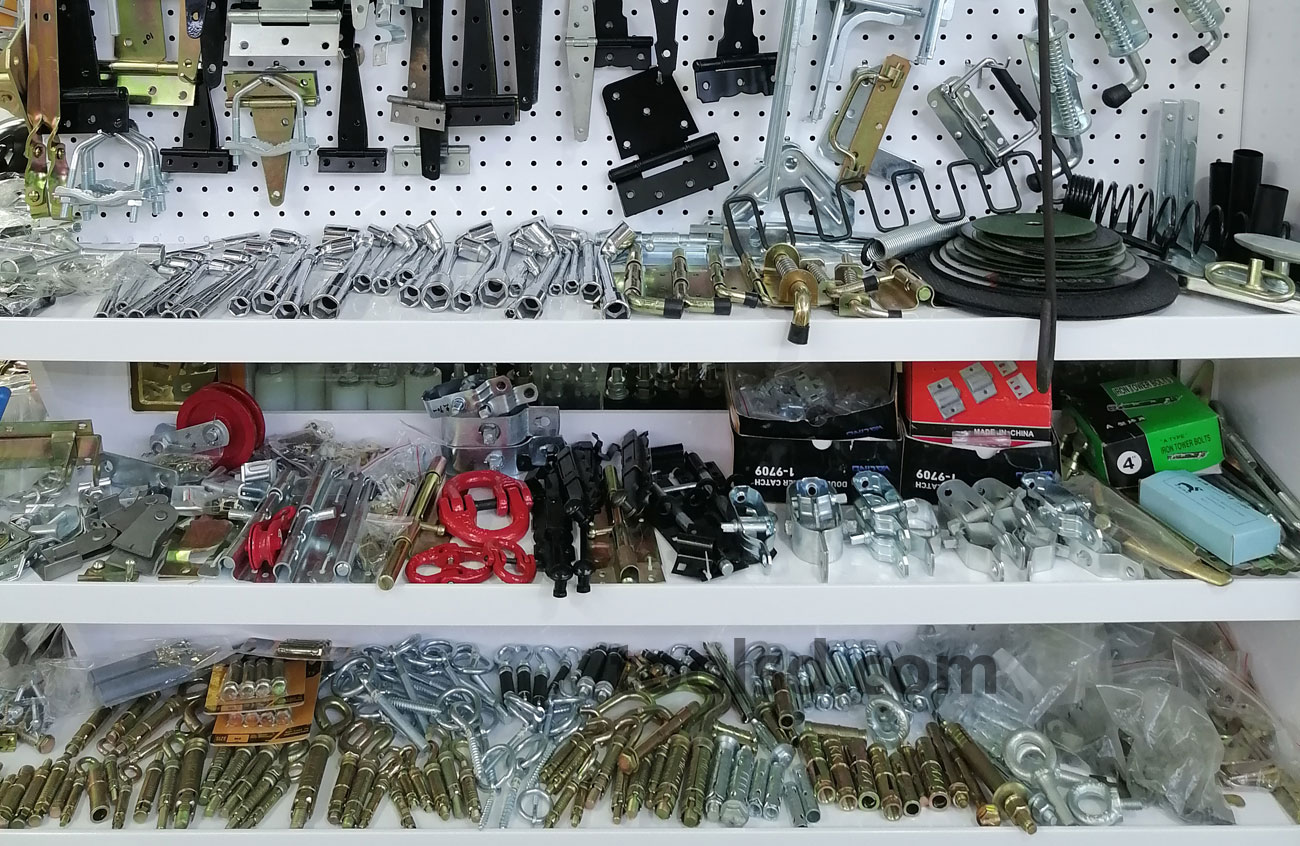
FH-021
FH-021 Chemical Anchor Bolt Expansion Bolt Bulk Construction Fastener Mix
Heavy-duty chemical anchor bolt kits with Grade 5.8 & Grade 8.8 carbon steel studs, M8-M20 full sizes, equipped with matched resin capsules, nuts and washers; hot dip galvanized anti-rust option for structural concrete, bridge and heavy industrial construction fixing.
1000 pcs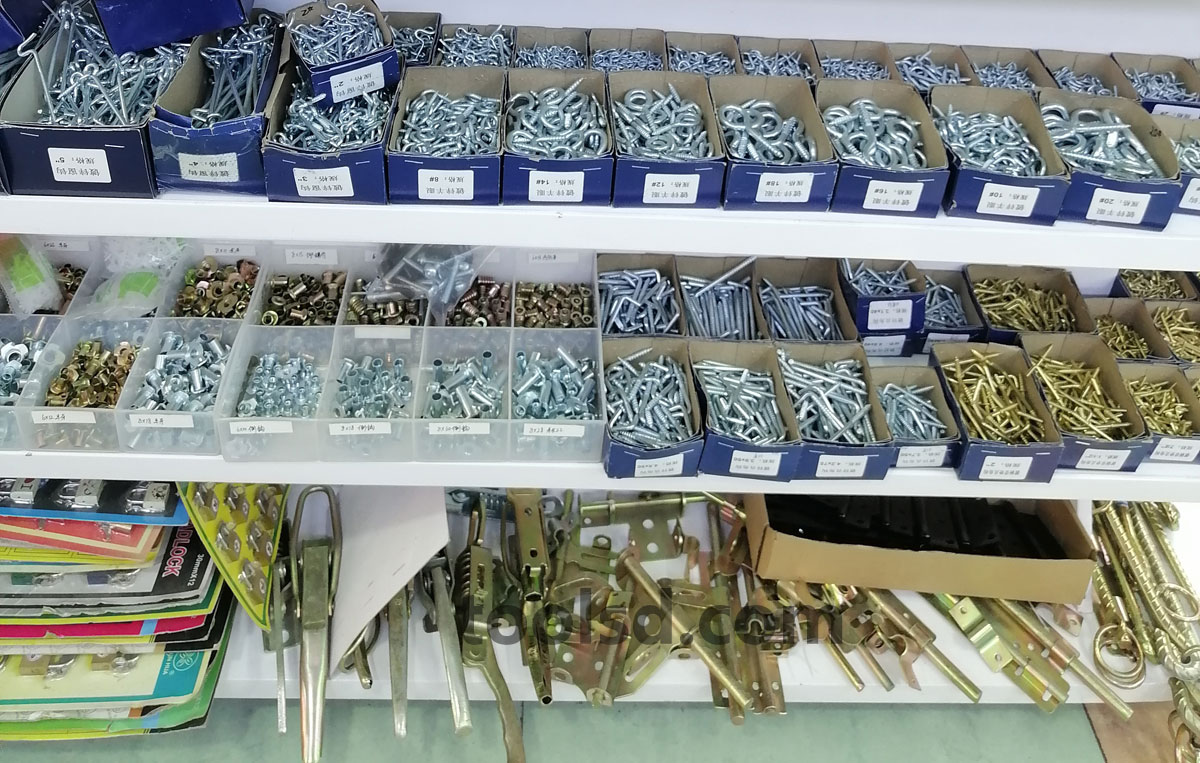
FH-022
FH-022 Eye Bolt with Nut Lifting Ring Bolt Boxed Assortment
DIN 580 & CE certified lifting eye bolt kits, available in Q235 carbon steel and 304 stainless steel, M6-M16 multi-size boxed sets with WLL 50kg-450kg, complete with nut and washer for machinery lifting, overhead hanging and industrial rigging applications.
300 pcs