Product Details
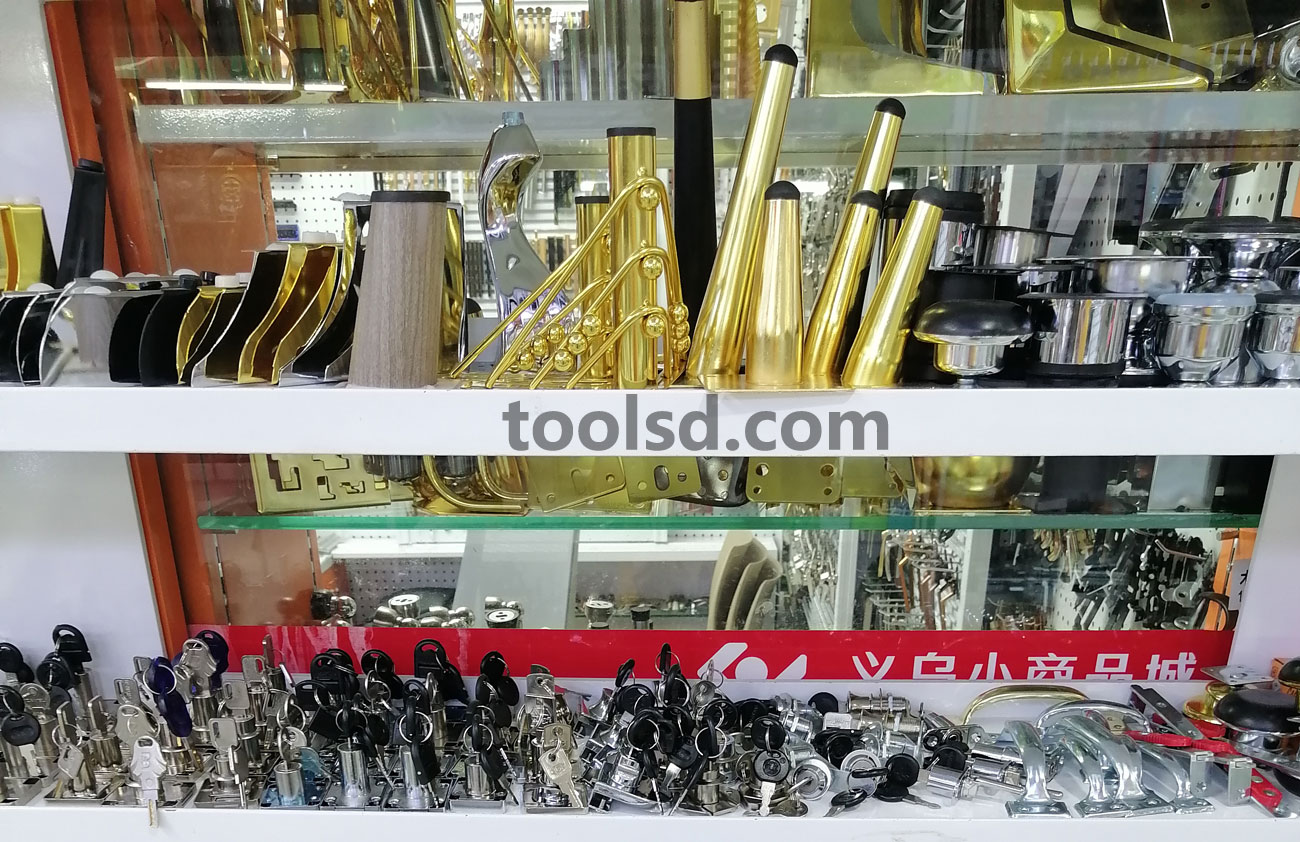
LD-270 Brass Pin Tumbler Door Lock Cylinder 5-Pin 6-Pin
LD-270 Brass Pin Tumbler Door Lock Cylinder with 5-pin or 6-pin security, nickel silver keys, and multiple finishes. For door, cabinet, and cam lock replacement.
Core Features
- Solid brass housing with nickel silver pin components
- 5-pin or 6-pin configuration for different security levels
- Nickel silver keys with plastic head option
- Available in keyed alike, keyed different, or master key systems
- Multiple finishes: brass, nickel, chrome, antique brass, black
- Various diameters and lengths for different lock types
Application Scenarios
- Residential door lock cylinder replacement
- Commercial door lock rekeying
- Cabinet and furniture lock installation
- Drawer and desk lock cylinder replacement
- Security system upgrade and rekeying
- OEM lock and hardware manufacturing
FAQ
What is the difference between 5-pin and 6-pin cylinders?
A 5-pin cylinder has 5 pin chambers, providing a theoretical 1,000,000+ key combinations. A 6-pin cylinder has 6 pin chambers, providing a theoretical 10,000,000+ key combinations. The 6-pin cylinder offers higher security because there are more possible key combinations, making it harder to pick or key-match. For residential use, 5-pin is typically sufficient. For commercial and high-security applications, 6-pin is recommended.
What is the difference between keyed alike and keyed different?
Keyed alike (KA) means all cylinders in a set operate with the same key. This is convenient for homeowners who want one key to open all doors. Keyed different (KD) means each cylinder has its own unique key. This is appropriate for commercial applications where different users need access to different areas. A master key system allows both individual keys and a master key to operate cylinders, providing hierarchical access control.
Can I rekey these cylinders myself?
Rekeying requires disassembling the cylinder, replacing the pins with a new pinning configuration, and reassembling. This requires a rekeying kit with assorted pins, a plug follower tool, and knowledge of the keyway and pinning system. For most users, it is more practical to purchase new cylinders keyed to the desired configuration. Professional locksmiths can rekey these cylinders quickly and inexpensively. The cylinders are designed to be rekeyable for maintenance and security updates.
How do I measure the cylinder size I need?
Measure the diameter of the existing cylinder hole in the lock or door. Common sizes are 16mm (cam locks), 20mm (standard door cylinders), 25mm (commercial doors), and 30-35mm (mortise locks). Measure the length of the existing cylinder from the front face to the back of the body. The cam or tailpiece length should also match. If replacing an existing cylinder, remove it and measure the dimensions directly. When in doubt, bring the old cylinder to compare or consult the lock manufacturer's specifications.
Related Products
LD-021
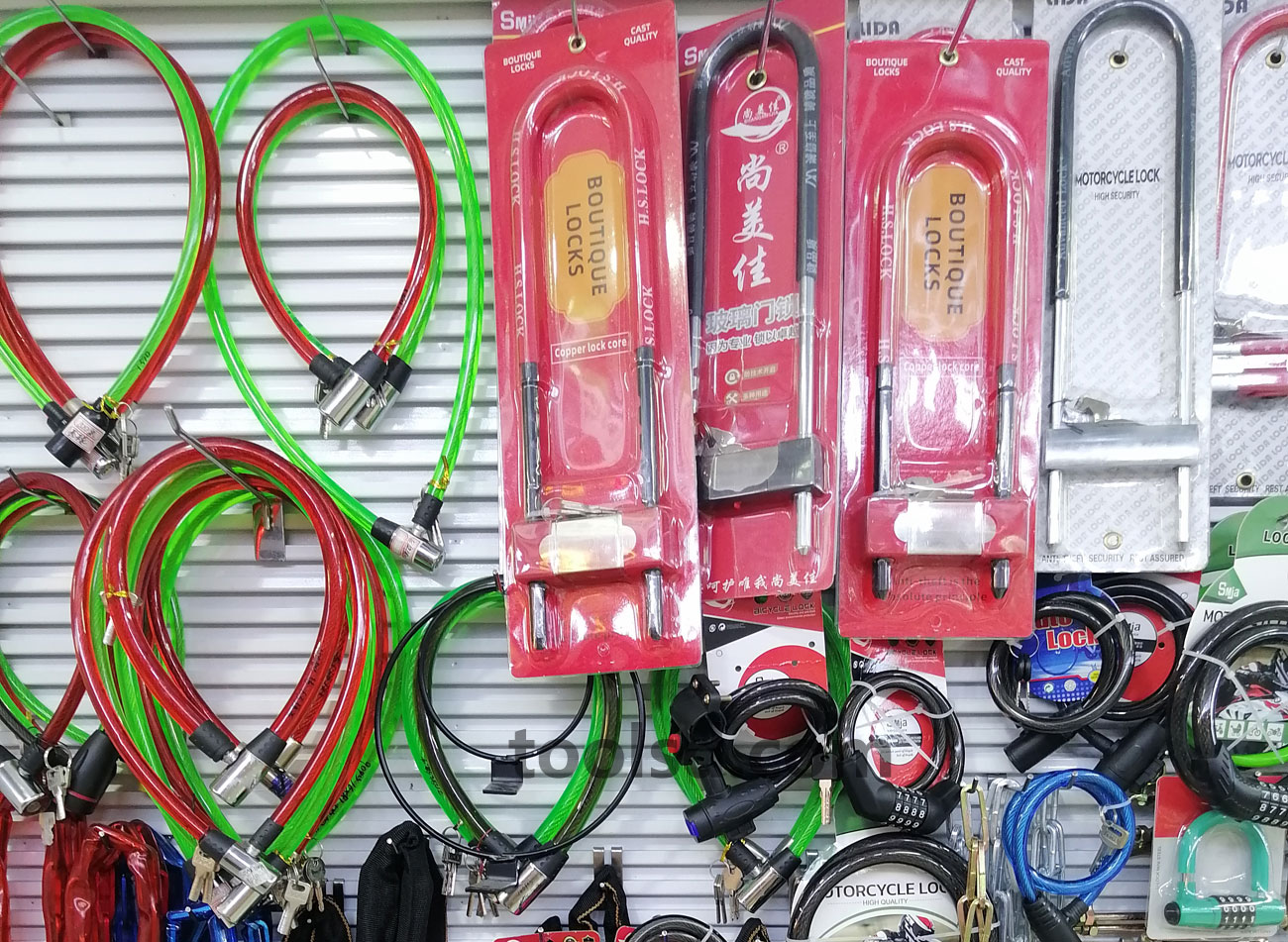
LD-021 Heavy Duty U-Lock Motorcycle Bicycle Security Lock | Factory Wholesale Supplier
500pcsLD-022
LD-022 Flexible Steel Cable Lock Snake Bike Lock | Factory Wholesale Supplier
1000pcs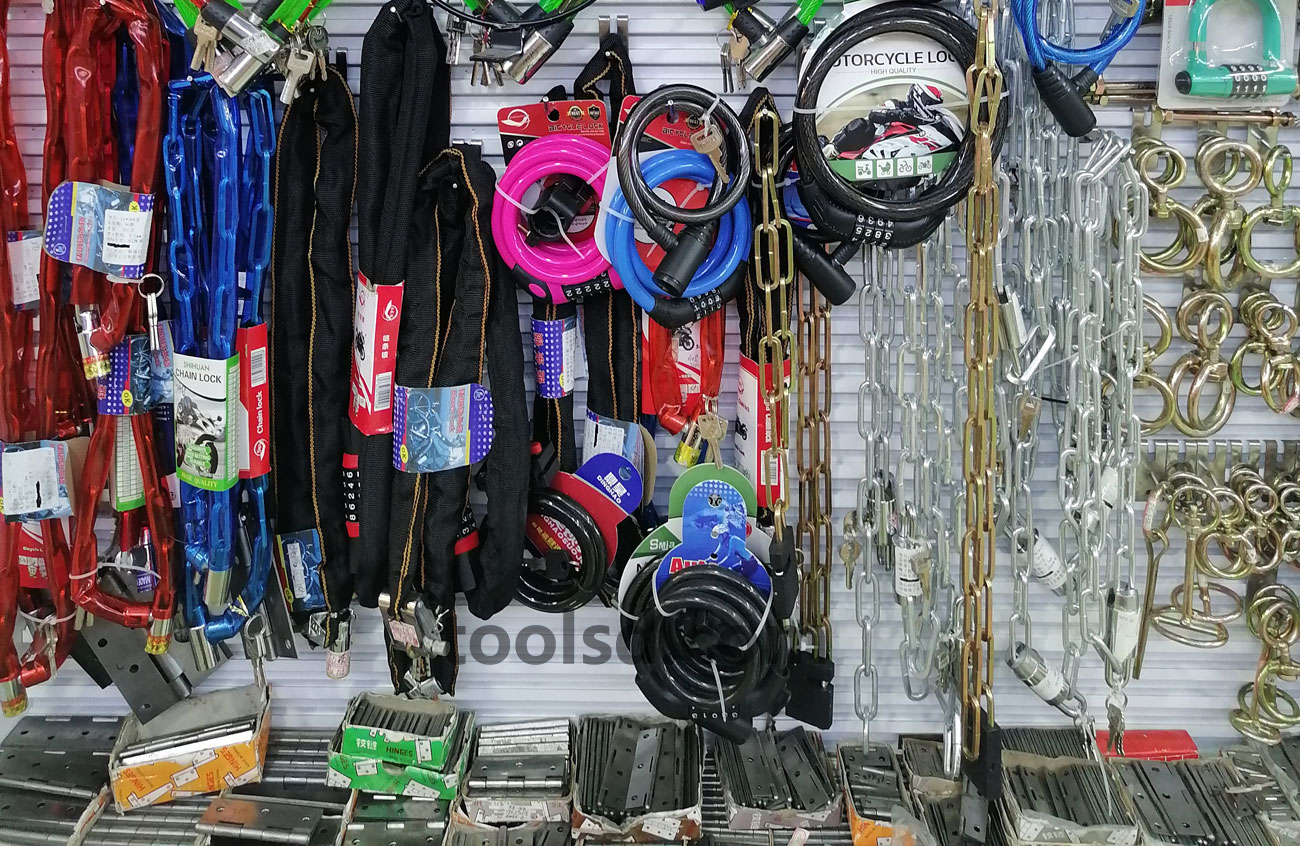
LD-023
LD-023 Chain Lock with Fabric Sleeve Bike Motorcycle | Factory Wholesale Supplier
500pcsLD-024