Product Details
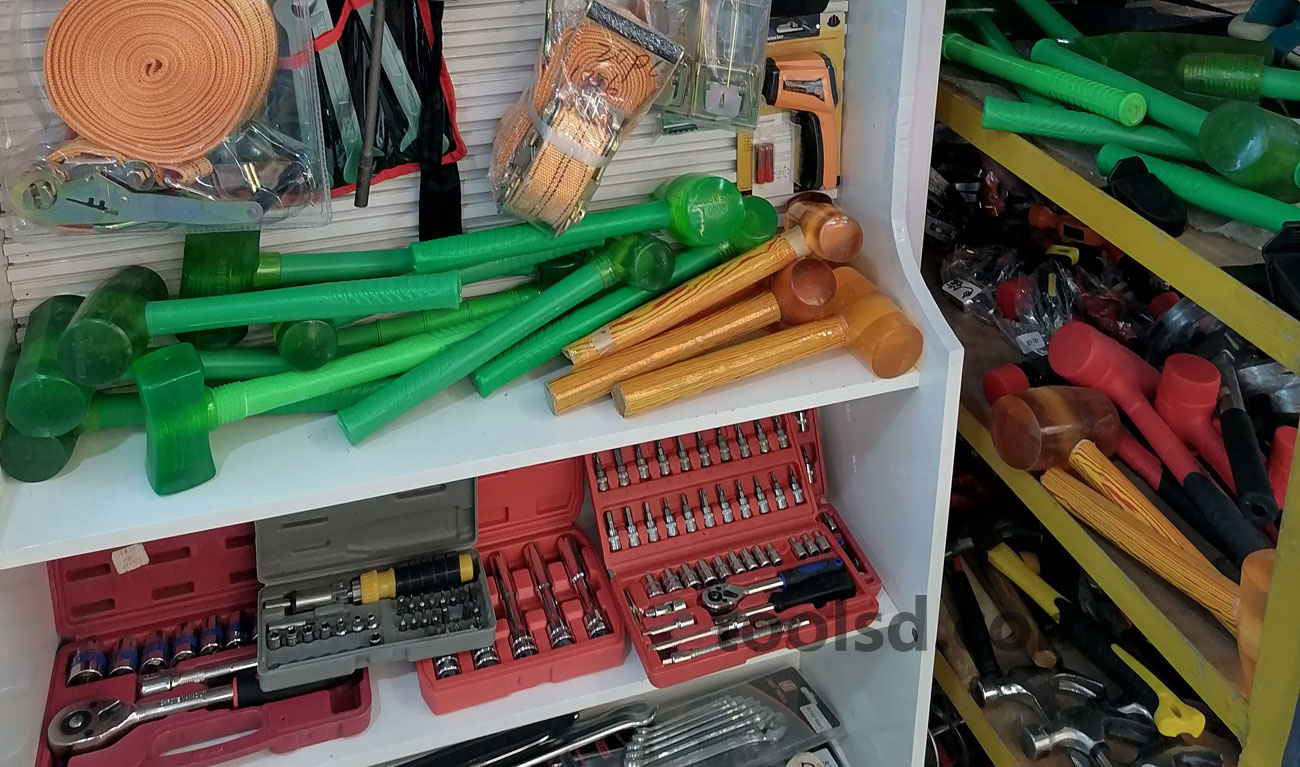
LD-264 Polyurethane Rubber Mallet Hammer Non-Marring
LD-264 Polyurethane Rubber Mallet Hammer with green translucent head and fiberglass handle. Non-marring for automotive, tiling, and assembly work. Available in 8oz-3lb.
Core Features
- Translucent polyurethane head for non-marring strikes
- Fiberglass handle with rubber grip for shock absorption
- Available in 8oz to 3lb head weights
- Dual-density head: hard core with soft striking surface
- Steel core handle for structural strength
- Dead-blow version with shot-filled head available
Application Scenarios
- Automotive body panel shaping and assembly
- Tile, stone, and flooring installation
- Woodworking and furniture assembly
- Sheet metal forming and bending
- Drywall and plasterboard installation
- General non-marring striking and positioning
FAQ
What weight mallet should I choose for tile installation?
For tile installation, a 16oz (450g) mallet is the most common choice. It provides enough force to set tiles level without cracking them. For large format tiles (24x24 inch or larger), an 8oz (225g) mallet is preferred for gentler tapping. For heavy stone tiles, a 24oz (680g) mallet may be needed. Always tap gently and use a grout float or beat block between the mallet and tile for additional protection.
What is the difference between a rubber mallet and a dead blow mallet?
A standard rubber mallet rebounds (bounces back) upon impact, which can reduce the effective striking force and cause the mallet to bounce in tight spaces. A dead blow mallet contains steel shot or sand inside the head that shifts upon impact, absorbing the rebound energy and delivering all the force to the workpiece. Dead blow mallets are preferred for precise positioning tasks and when working in confined spaces. Both types are non-marring.
Will the polyurethane head leave marks on wood?
No, the polyurethane head is specifically designed to be non-marring and will not leave marks on wood, metal, plastic, or painted surfaces. Unlike black rubber mallets which can leave black residue marks, the polyurethane material is clean and color-fast. However, if the head becomes contaminated with dirt or oil, it can transfer those contaminants to the workpiece. Keep the head clean by wiping it with a cloth before use.
How durable is the polyurethane head?
The polyurethane head is highly durable and resistant to oil, chemicals, UV, and temperature extremes. Under normal use, the head will last for years without significant wear. However, the head can be damaged by sharp objects, cutting tools, or excessive force on pointed surfaces. If the head develops cracks or chunks break off, it should be replaced. The head is permanently bonded to the handle and is not designed to be user-replaceable.
Related Products
LD-349
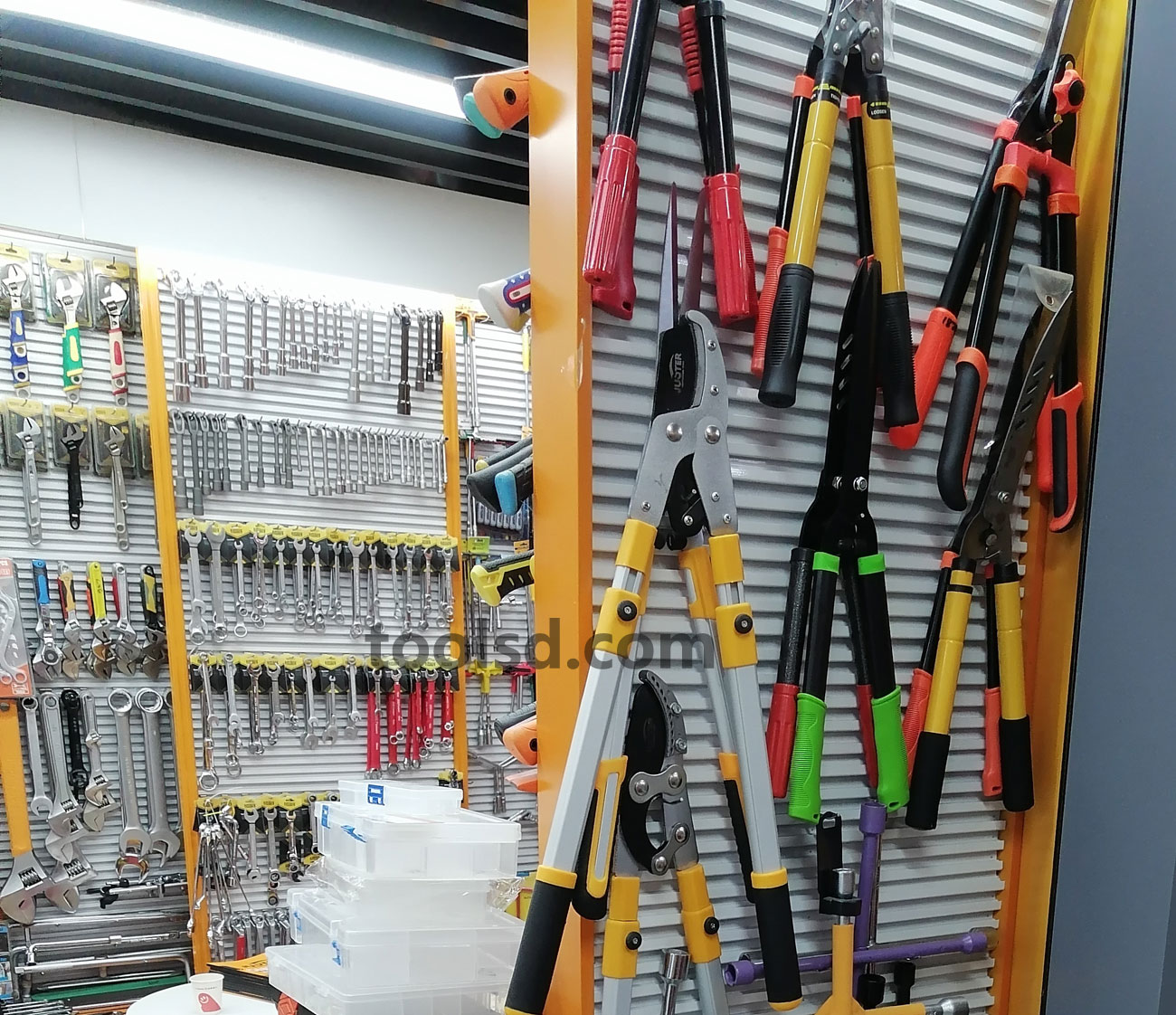
LD-349 Aluminum Steel Telescoping Bypass Lopper Pruning Shears | Wholesale Supplier
LD-349 is an aluminum steel telescoping bypass lopper with SK5 high-carbon steel blade and extendable handles (600-1200mm) for pruning branches up to 30-40mm. Features yellow locking collars and TPR grips for wholesale distribution.
200LD-350
LD-350 Steel Ratchet Anvil Lopper Heavy-Duty Pruning | Wholesale Supplier
LD-350 is a steel ratchet anvil lopper for heavy-duty pruning with a 3-stage ratchet mechanism that cuts branches up to 35-45mm. Features SK5 high-carbon steel blade, fiberglass/steel handles, and TPR grips for wholesale distribution.
200LD-351
LD-351 SK5 Steel Professional Hand Pruning Shears Secateurs | Wholesale Supplier
LD-351 is a professional bypass hand pruning shear with an SK5 high-carbon steel blade and forged aluminum or carbon steel handles. Cuts live branches up to 18-25mm with TPR comfort grips and a safety lock.
500LD-352
LD-352 Steel Long Handled Bolt Cutter Branch Cutter | Wholesale Supplier
LD-352 is a heavy-duty long-handled bolt cutter and branch cutter with chrome-vanadium steel jaws and tubular steel handles. Available in 600-1050mm lengths cutting steel rod to 12mm and branches to 40mm.
200