Product Details
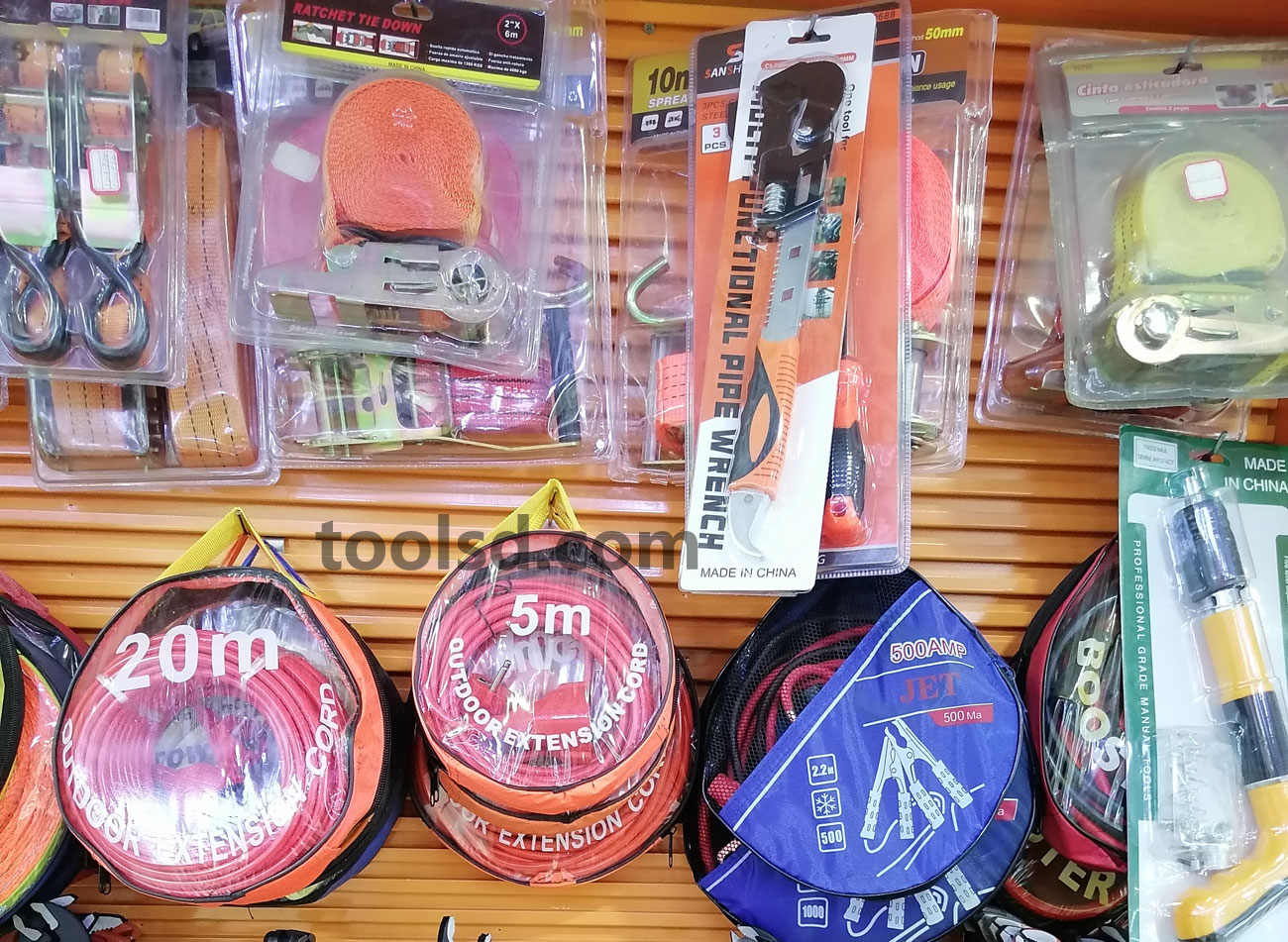
LD-260 Copper Booster Jumper Cables 500A 2.2m
LD-260 Copper Booster Jumper Cables 500A 2.2m with red and black PVC insulated copper conductors and steel clamps. For automotive battery jump starting.
Core Features
- Pure copper or CCA conductor with PVC insulation
- 500A current rating suitable for most passenger vehicles
- Red and black color coding for polarity identification
- Forged steel clamps with copper-plated jaws
- Insulated clamp handles for user safety
- Portable fabric carry bag with clear window
Application Scenarios
- Passenger car and SUV battery jump starting
- Roadside emergency vehicle assistance
- Light truck and van jump start
- Boat and marine battery boosting
- Motorcycle and ATV battery jump start
- Fleet service vehicle emergency equipment
FAQ
How do I safely jump-start a vehicle with these cables?
Connect the RED clamp to the positive (+) terminal of the dead battery, then the other RED clamp to the positive (+) terminal of the good battery. Connect the BLACK clamp to the negative (-) terminal of the good battery, then the other BLACK clamp to an unpainted metal surface on the engine block or chassis of the dead vehicle (ground connection). Start the donor vehicle, wait 2-3 minutes, then start the dead vehicle. Remove cables in reverse order. Never connect both black clamps directly to battery negative terminals to avoid explosion risk from hydrogen gas.
What is the difference between 500A and 1000A booster cables?
The amperage rating indicates the maximum current the cables can safely carry. 500A cables are suitable for most passenger cars and SUVs with 12V batteries up to about 70Ah. 1000A cables are needed for larger vehicles like trucks, SUVs with large batteries, or diesel engines that require more starting current. 2000A cables are for heavy-duty commercial trucks and equipment. Using cables with insufficient amperage rating for the vehicle may result in slow charging or cable overheating.
What cable gauge (AWG) should I choose?
Lower AWG numbers indicate thicker cables that can carry more current. For passenger cars, 8-10 AWG is sufficient for occasional use. For SUVs and light trucks, 6-8 AWG is recommended. For trucks and commercial vehicles, use 4-6 AWG or thicker. Thicker cables (lower AWG) provide faster charging and less voltage drop, resulting in quicker and more reliable jump starts. Always choose cables rated for at least the starting current of your largest vehicle.
Pure copper or copper-clad aluminum (CCA) - which should I choose?
Pure copper cables have lower electrical resistance, better conductivity, and superior flexibility compared to CCA cables. This means pure copper cables charge faster, stay cooler, and are easier to handle in cold weather. CCA cables are less expensive but have higher resistance, leading to slower charging and more heating. For regular or professional use, pure copper is strongly recommended. For occasional emergency use, CCA may be acceptable for passenger vehicles.
Related Products
LD-411
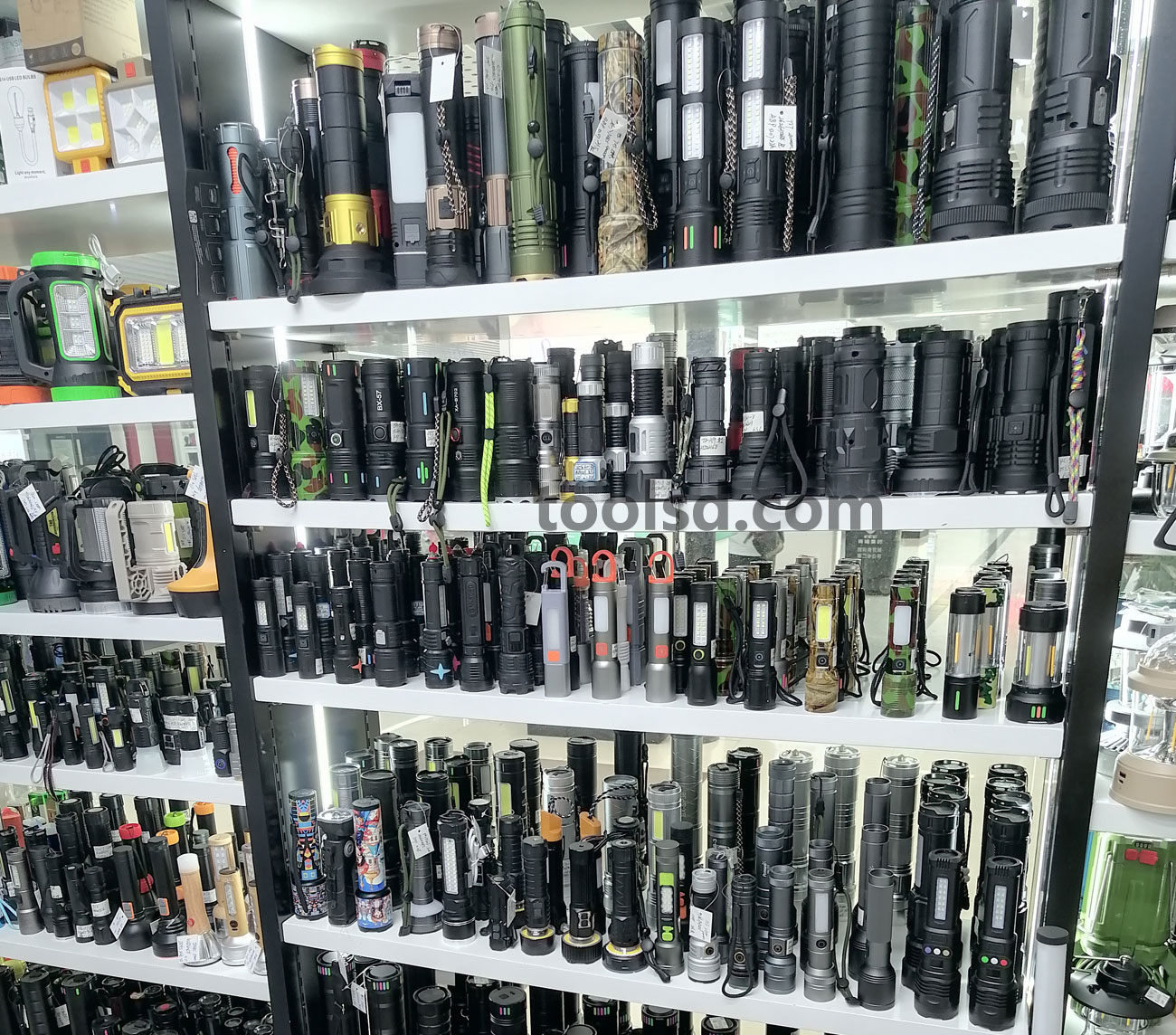
LD-411 Aluminum Alloy LED Tactical Flashlight Zoomable XML T6 Rechargeable | Wholesale Supplier
LD-411 aluminum alloy LED tactical flashlight with CREE XML T6 LED, 1000-1200 lumens, zoomable focus, 18650 rechargeable battery, 5 modes (high/medium/low/strobe/SOS), Type III hard-anodized finish.
200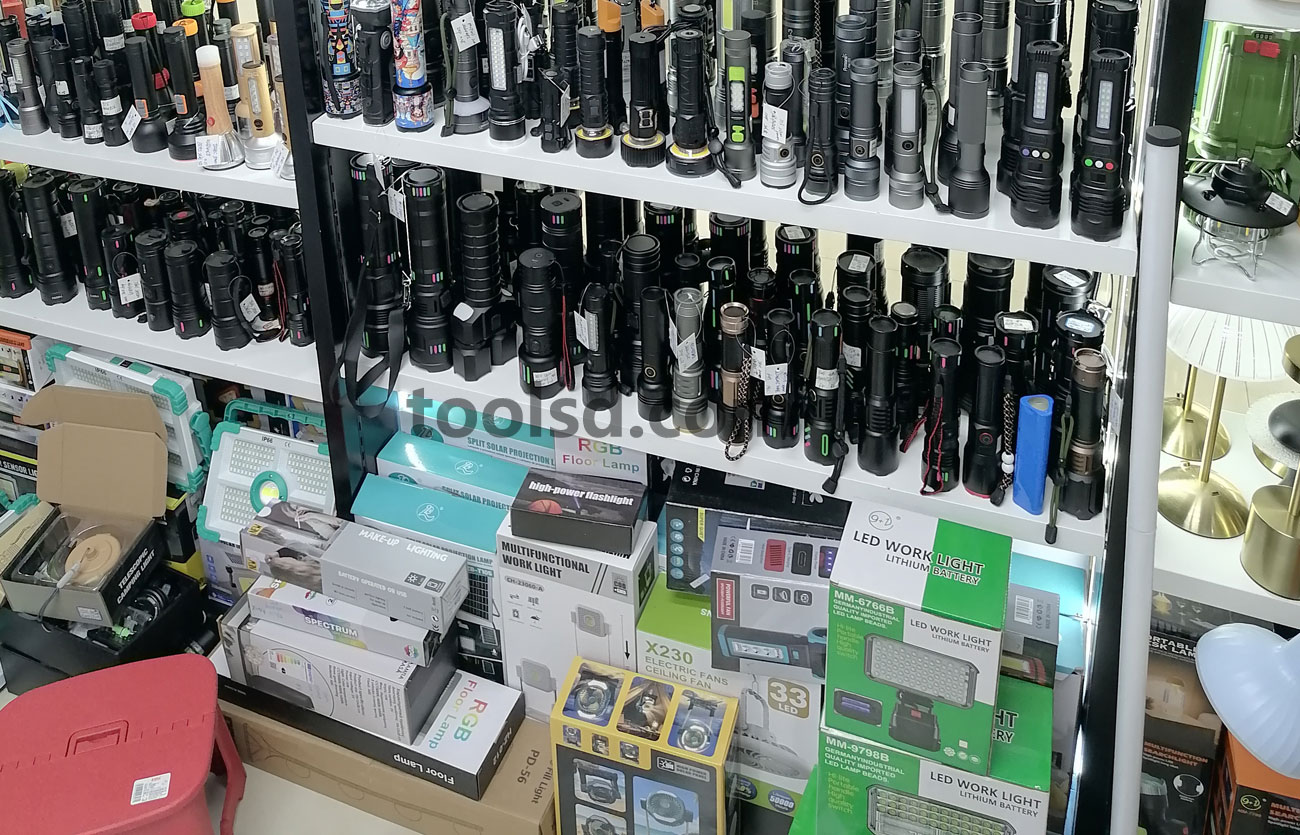
LD-412
LD-412 ABS LED Rechargeable Work Light COB Magnetic Folding 360° | Wholesale Supplier
LD-412 ABS LED rechargeable COB work light with 360° folding bracket, N52 magnetic base, USB charging. 350-500 lumens, 18650 battery, 3-5 hour runtime, ideal for auto repair and maintenance.
200LD-413
LD-413 Aluminum LED Multi-Function Flashlight with Side COB Panel USB | Wholesale Supplier
LD-413 aluminum LED multi-function flashlight with dual lighting: front CREE XML T6 (1000lm) + side COB panel (300lm). USB rechargeable 18650 battery, 5 modes, ideal for inspection and emergency use.
200LD-414
LD-414 Aluminum Alloy LED High Power Flashlight XHP50 Long Range 2000lm | Wholesale Supplier
LD-414 aluminum alloy high-power LED flashlight with XHP50 chip, 1800-2000 lumens, 200-500m beam distance. IPX6-8 waterproof, 26650 or dual 18650 battery, 5 modes, long-range search and rescue.
100