Product Details
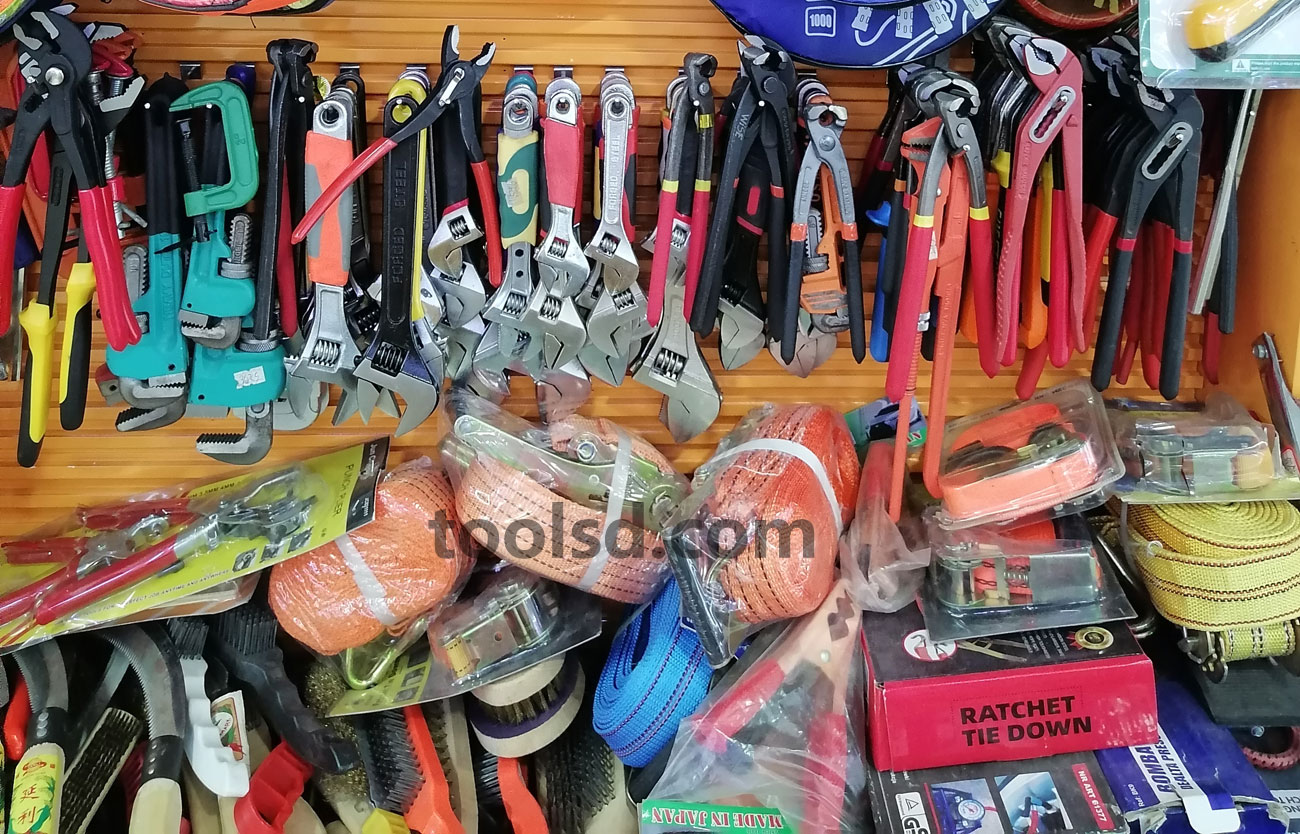
LD-251 Cast Iron C-Clamp G-Clamp Heavy Duty
LD-251 Cast Iron C-Clamp G-Clamp for woodworking, metalworking, and welding clamping. Available in 2-8 inch sizes with threaded screw and swivel pad.
Core Features
- Malleable cast iron body for strength and shock resistance
- Forged steel screw with coarse ACME thread
- Swivel pad conforms to angled workpiece surfaces
- Copper, rubber, or steel swivel pad options
- Powder-coated finish in multiple colors
- Available in 2-8 inch sizes with 200-1000kg clamping force
Application Scenarios
- Woodworking glue-up and assembly clamping
- Metalworking and welding workpiece fixturing
- Automotive body panel repair and holding
- DIY craft, model making, and hobby work
- Temporary workpiece holding for machining
- General fabrication and assembly clamping
FAQ
What size C-clamp do I need for my project?
For general woodworking, 4-inch clamps handle most tasks. For welding, use 4-6 inch clamps for typical work. For automotive work, 3-4 inch clamps are suitable for panel holding. The clamp size should match the workpiece thickness plus the throat depth needed to reach the clamping point. Always use the smallest clamp that provides adequate reach and force.
What is the difference between copper and rubber swivel pads?
Copper pads are used for welding to prevent spatter from sticking to the pad and to protect the workpiece from spark damage. Rubber pads are used for delicate surfaces like finished wood or painted metal to prevent marring. Plain steel pads are for general-purpose use on rugged materials where surface marking is not a concern.
Can C-clamps be used for overhead lifting?
No, C-clamps are designed for clamping and holding workpieces, not for lifting. Never use a C-clamp to suspend or lift loads overhead. Use certified lifting clamps or hoists rated for lifting applications. C-clamp failure under load can result in serious injury.
How do I maintain my C-clamps?
Clean the screw thread regularly and apply light machine oil to prevent rust and ensure smooth operation. Inspect the clamp body for cracks before each use, especially if the clamp has been dropped. Store in a dry environment. Replace clamps with cracked bodies or bent screws immediately, as they may fail under load.
Related Products
LD-349
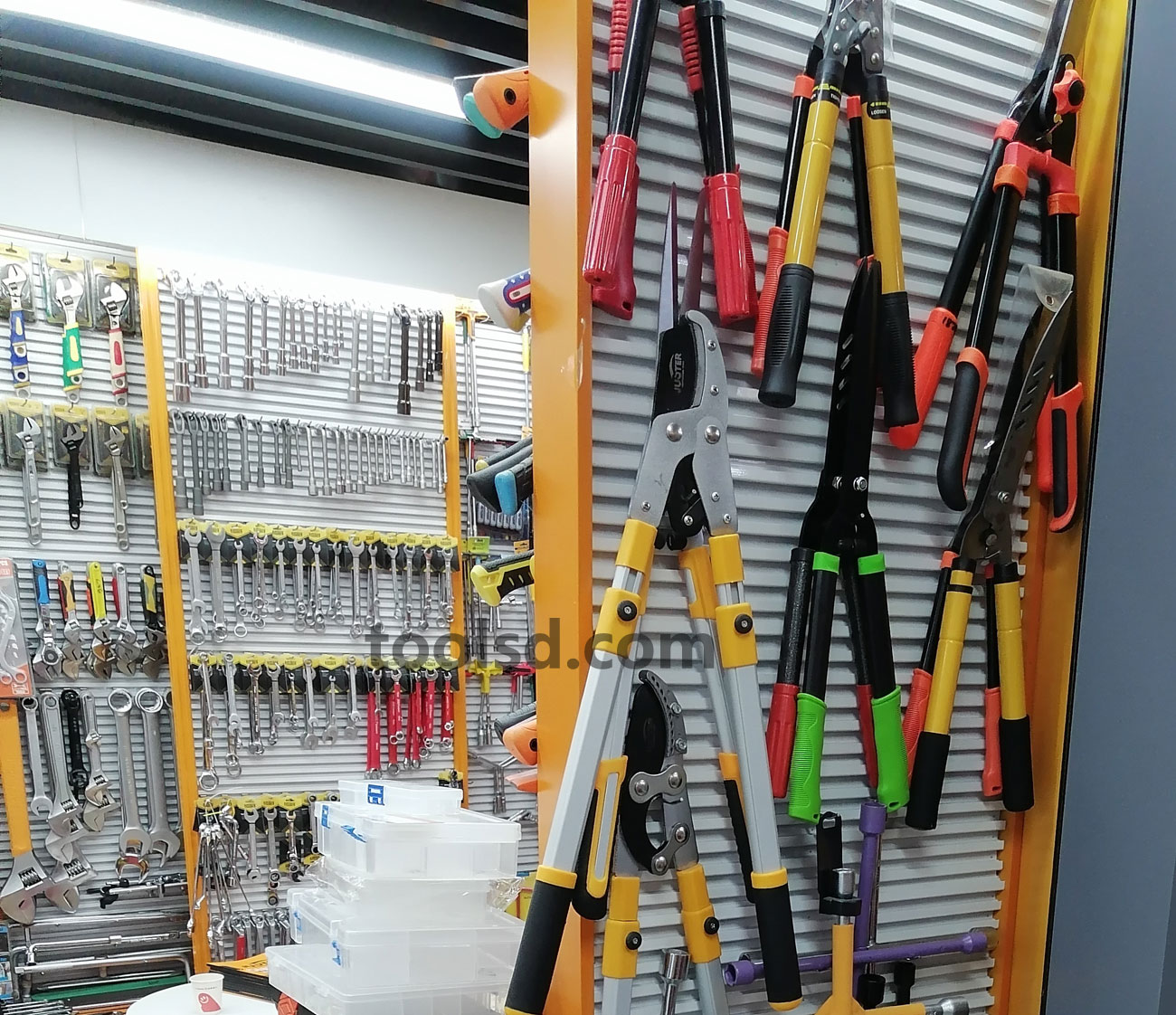
LD-349 Aluminum Steel Telescoping Bypass Lopper Pruning Shears | Wholesale Supplier
LD-349 is an aluminum steel telescoping bypass lopper with SK5 high-carbon steel blade and extendable handles (600-1200mm) for pruning branches up to 30-40mm. Features yellow locking collars and TPR grips for wholesale distribution.
200LD-350
LD-350 Steel Ratchet Anvil Lopper Heavy-Duty Pruning | Wholesale Supplier
LD-350 is a steel ratchet anvil lopper for heavy-duty pruning with a 3-stage ratchet mechanism that cuts branches up to 35-45mm. Features SK5 high-carbon steel blade, fiberglass/steel handles, and TPR grips for wholesale distribution.
200LD-351
LD-351 SK5 Steel Professional Hand Pruning Shears Secateurs | Wholesale Supplier
LD-351 is a professional bypass hand pruning shear with an SK5 high-carbon steel blade and forged aluminum or carbon steel handles. Cuts live branches up to 18-25mm with TPR comfort grips and a safety lock.
500LD-352
LD-352 Steel Long Handled Bolt Cutter Branch Cutter | Wholesale Supplier
LD-352 is a heavy-duty long-handled bolt cutter and branch cutter with chrome-vanadium steel jaws and tubular steel handles. Available in 600-1050mm lengths cutting steel rod to 12mm and branches to 40mm.
200