Product Details
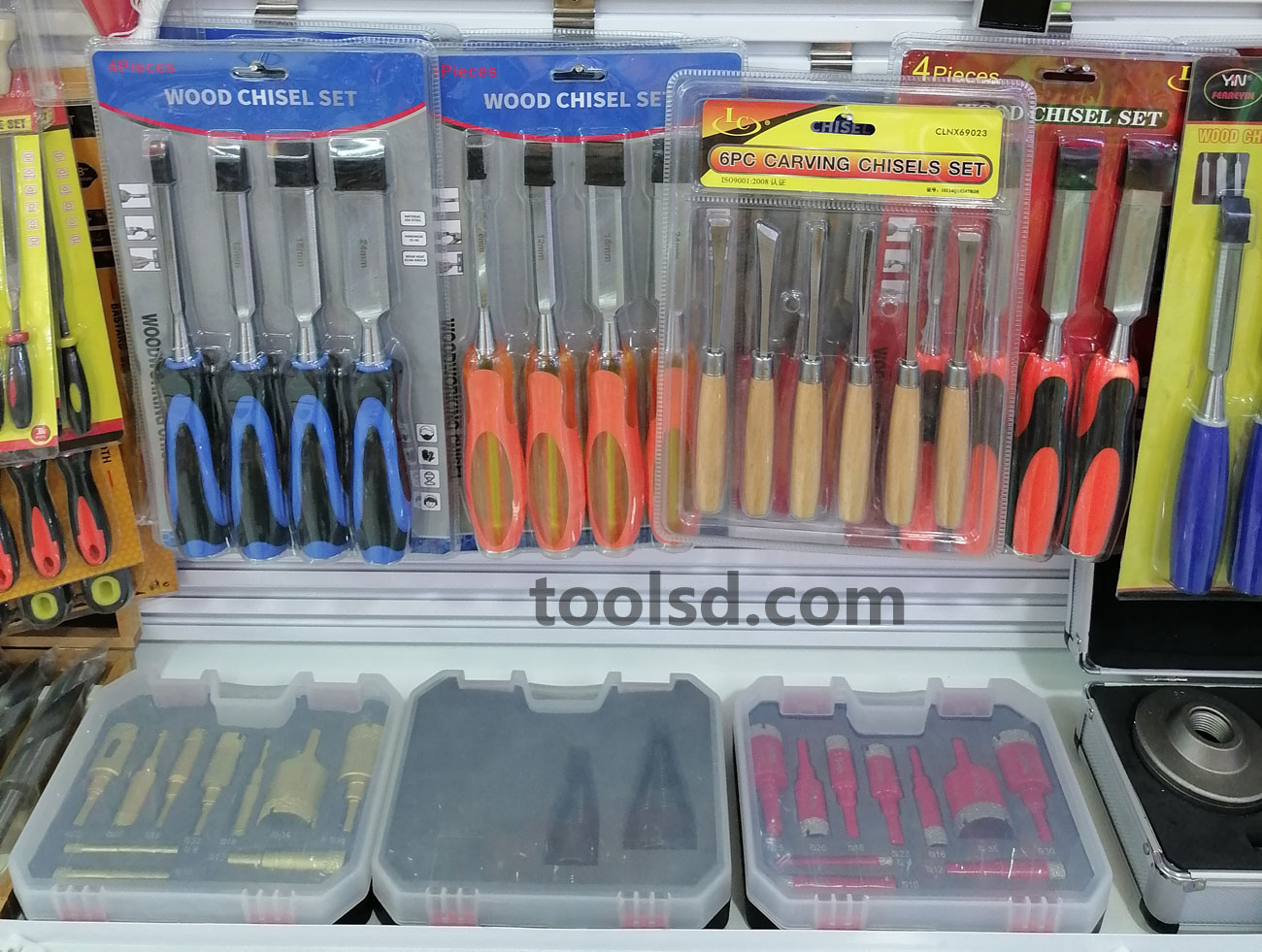
LD-211 Red Bi-Metal Wood Hole Saw Set
LD-211 Red Bi-Metal Wood Hole Saw Set includes multiple diameter sizes with bi-metal construction and cobalt alloy teeth. Red finish for cutting clean holes in wood, plywood, drywall, and plastic for construction and renovation applications.
Core Features
- Bi-metal construction with cobalt alloy teeth for long life
- Multiple sizes 16mm to 76mm cover common hole diameters
- Red oxide finish for corrosion resistance and professional look
- Optimized tooth geometry for clean splinter-free wood cuts
- Two arbors included for different saw size ranges
- Plastic storage case with foam protection for organization
Application Scenarios
- Door lock and handle installation hole cutting
- Electrical outlet and switch box cutouts in drywall
- Recessed lighting fixture hole cutting in ceilings
- Plumbing pipe pass-through holes in walls and floors
- Cabinet vent and access panel hole cutting
- General construction and renovation hole making
FAQ
What materials can bi-metal hole saws cut through?
Bi-metal hole saws cut through wood, plywood, MDF, particleboard, drywall, plastic, and thin sheet metal. The LD-211 set is primarily designed for wood and drywall applications but can also handle light-gauge metal. For heavy metal cutting, specialized metal-cutting hole saws are recommended.
How do I prevent splintering on the back side of the wood?
To reduce tear-out on the exit side, place a scrap piece of wood behind the workpiece. Drill slowly as you approach breakthrough to minimize chipping. For very clean results, clamp backing board firmly to prevent vibration.
What drill speed should I use with hole saws?
Use low to medium drill speed for wood (500-1500 RPM depending on diameter). Larger diameter saws require slower speeds. Apply steady moderate pressure and let the saw teeth do the work. Back out periodically to clear sawdust and prevent overheating.
How do I change the saw on the arbor?
Loosen the set screw on the arbor with the included hex key, slide the old saw off, and slide the new saw onto the arbor. Align the drive pins with the holes in the saw back and tighten the set screw. Make sure the pilot drill extends slightly beyond the saw teeth.
Related Products
LD-349
LD-349 Aluminum Steel Telescoping Bypass Lopper Pruning Shears | Wholesale Supplier
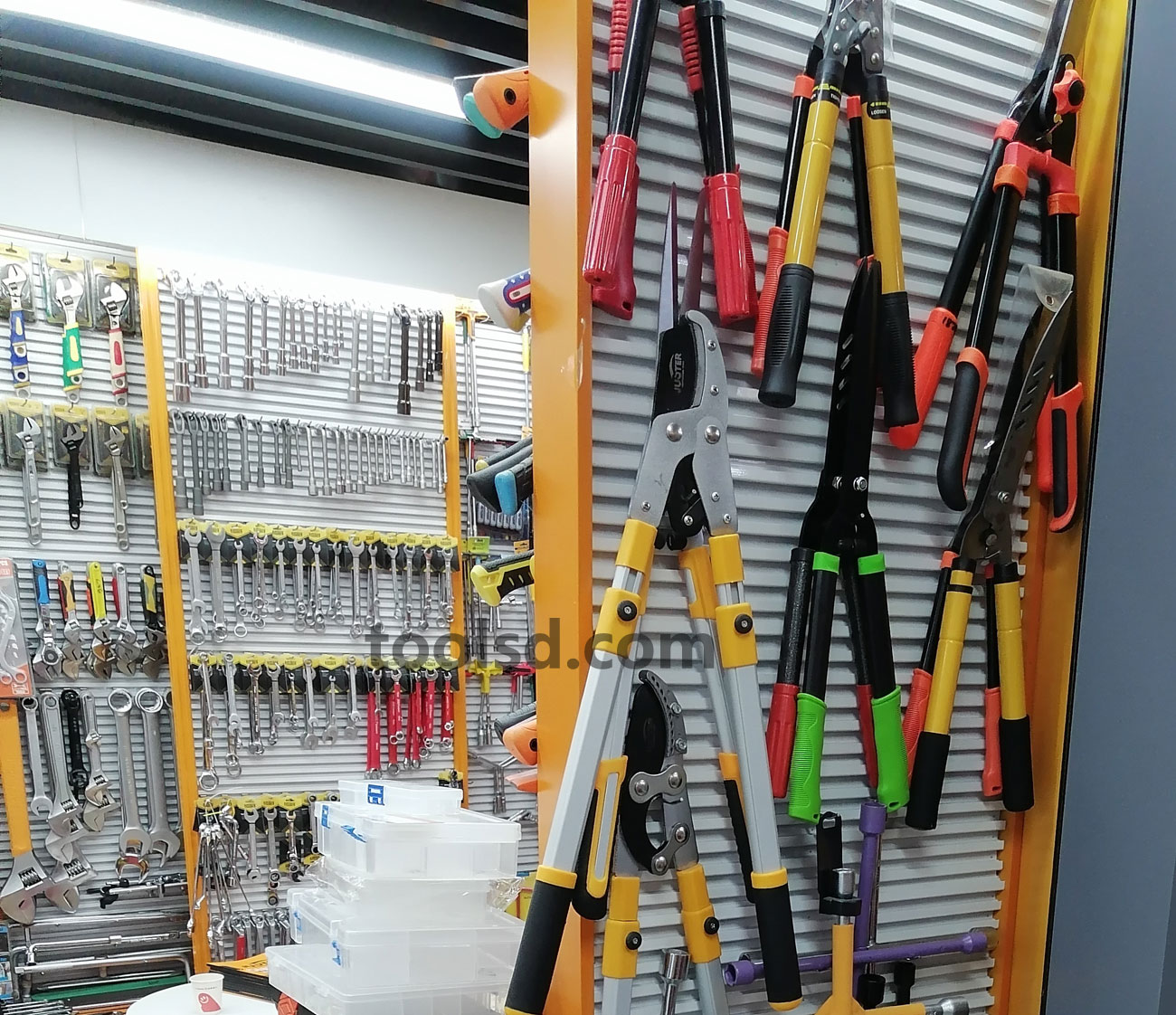
LD-349 is an aluminum steel telescoping bypass lopper with SK5 high-carbon steel blade and extendable handles (600-1200mm) for pruning branches up to 30-40mm. Features yellow locking collars and TPR grips for wholesale distribution.
200LD-350
LD-350 Steel Ratchet Anvil Lopper Heavy-Duty Pruning | Wholesale Supplier
LD-350 is a steel ratchet anvil lopper for heavy-duty pruning with a 3-stage ratchet mechanism that cuts branches up to 35-45mm. Features SK5 high-carbon steel blade, fiberglass/steel handles, and TPR grips for wholesale distribution.
200LD-351
LD-351 SK5 Steel Professional Hand Pruning Shears Secateurs | Wholesale Supplier
LD-351 is a professional bypass hand pruning shear with an SK5 high-carbon steel blade and forged aluminum or carbon steel handles. Cuts live branches up to 18-25mm with TPR comfort grips and a safety lock.
500LD-352
LD-352 Steel Long Handled Bolt Cutter Branch Cutter | Wholesale Supplier
LD-352 is a heavy-duty long-handled bolt cutter and branch cutter with chrome-vanadium steel jaws and tubular steel handles. Available in 600-1050mm lengths cutting steel rod to 12mm and branches to 40mm.
200