Product Details
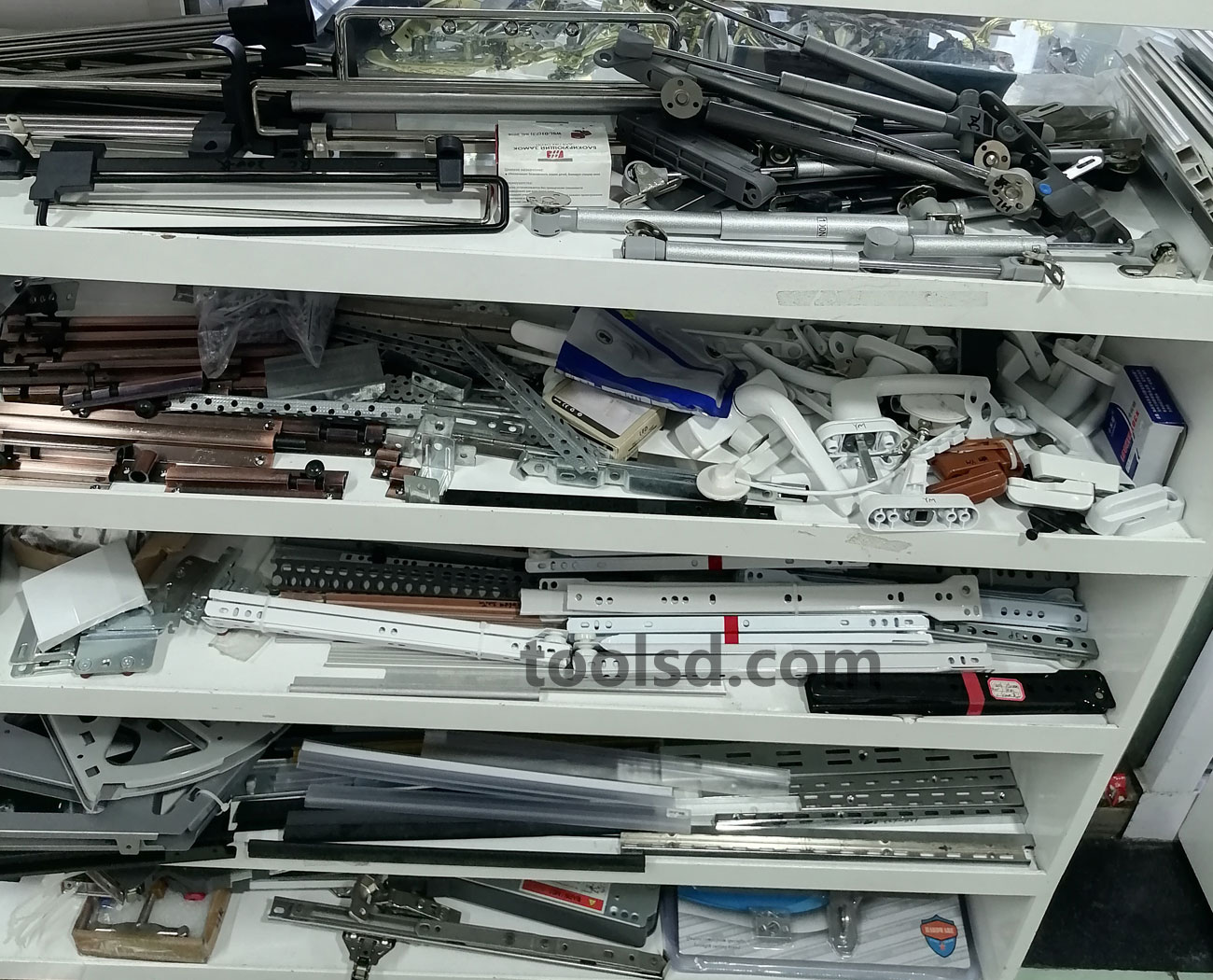
LD-201 Steel Chrome Gas Spring Strut Support
LD-201 Steel Chrome Gas Spring Strut provides a chrome-plated steel cylinder with ball-joint end fittings for controlled lifting and support of cabinet doors, automotive hoods, furniture lids, and industrial equipment hatches.
Core Features
- Chrome-plated steel cylinder for corrosion resistance and appearance
- Ball-joint end fittings for pivoting motion without binding
- Self-lubricating nylon ball sockets reduce noise and wear
- Controlled oil damping prevents slamming
- Four force ratings 50N to 200N for diverse applications
- Mounting brackets included for immediate installation
Application Scenarios
- Kitchen cabinet overhead and flip-up door support
- Automotive hood and trunk lid gas strut replacement
- Furniture storage lid and bed frame lifting mechanism
- RV and trailer exterior compartment door support
- Industrial equipment hatch and access panel lifting
- Medical and laboratory equipment lid support
FAQ
How do I select the correct force rating for my application?
Calculate the weight of the door or lid at its center of gravity. Force rating (N) should be approximately 1.5x the weight (kg) x 10. Example: a 5kg door needs approximately 75N of force. The mounting position also affects required force; mounting closer to the hinge requires more force than mounting further from the hinge.
Can gas springs be mounted in any orientation?
Yes, gas springs operate in any orientation, but the rod-down position is recommended for best damping performance. This orientation keeps the piston seal lubricated by the internal oil reservoir, extending service life.
What is the expected service life of a gas spring?
Standard gas springs are rated for 20,000 to 50,000 cycles at room temperature under normal use. Service life decreases at extreme temperatures or when consistently operated at the maximum rated force. Replacement is recommended when the strut no longer holds the panel in the open position.
Are gas springs temperature sensitive?
Gas spring force output varies with temperature. At -30C, force decreases approximately 15-20%. At +80C, force increases approximately 15-20%. For temperature-critical applications, consult the manufacturer for specific temperature compensation options.
Related Products
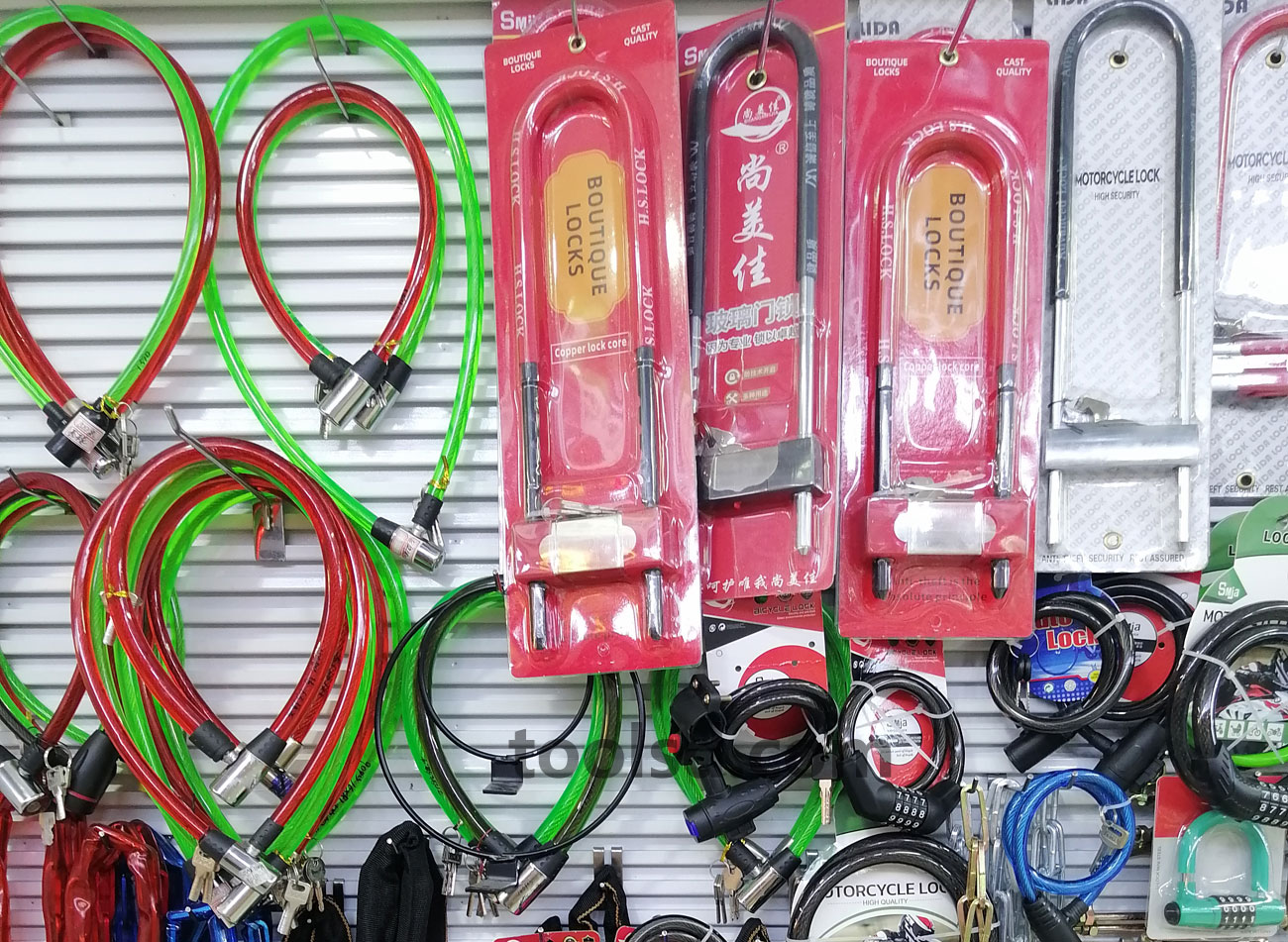
LD-021
LD-021 Heavy Duty U-Lock Motorcycle Bicycle Security Lock | Factory Wholesale Supplier
500pcsLD-022
LD-022 Flexible Steel Cable Lock Snake Bike Lock | Factory Wholesale Supplier
1000pcs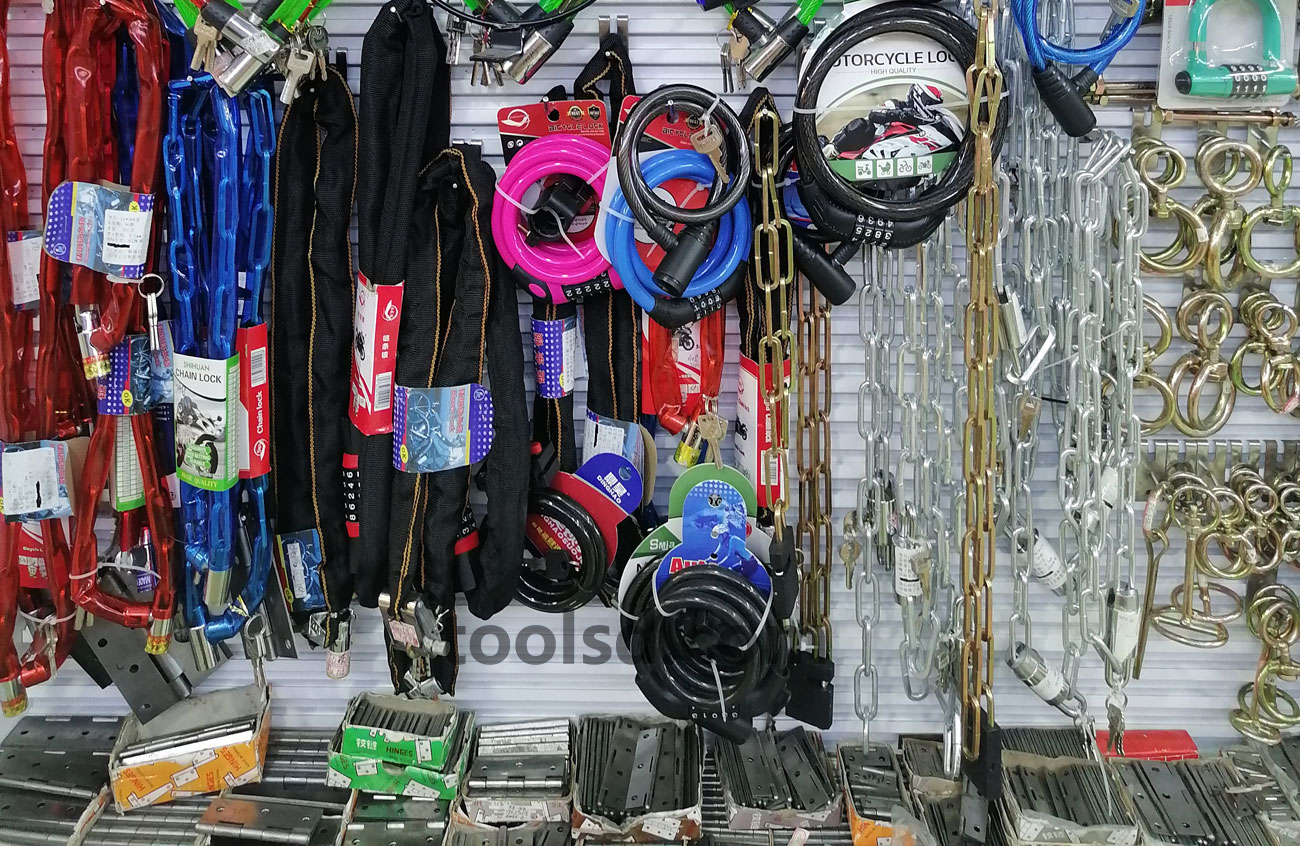
LD-023
LD-023 Chain Lock with Fabric Sleeve Bike Motorcycle | Factory Wholesale Supplier
500pcsLD-024