Product Details
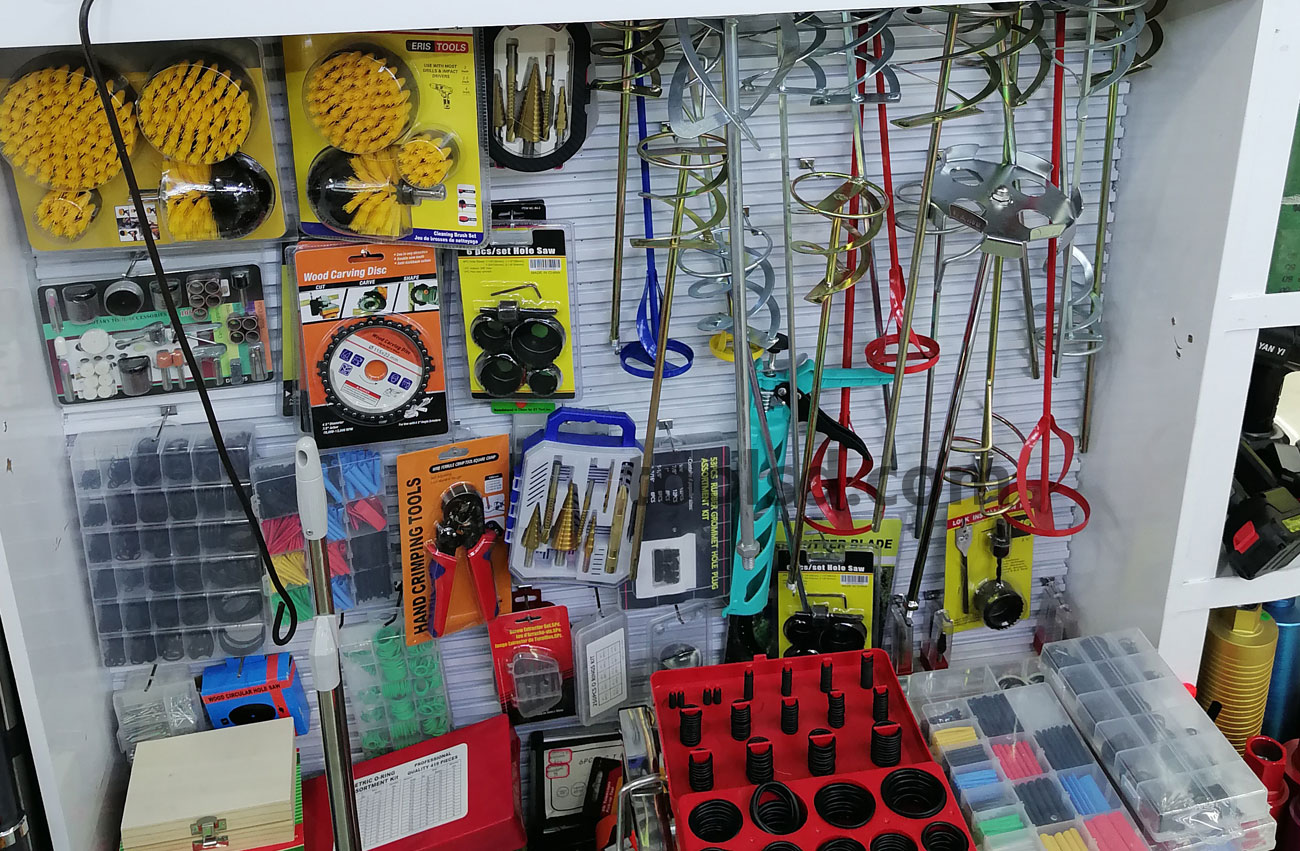
LD-192 Galvanized Steel Paint Mixer Stirrer Paddle Set
LD-192 Galvanized Steel Paint Mixer Stirrer Paddle Set provides spiral and paddle designs for efficient mixing of paint, mortar, plaster, adhesive, and cement with hex shank compatibility for standard power drills and dedicated mixers.
Core Features
- Spiral and paddle designs for thin and thick material mixing
- Galvanized carbon steel for corrosion resistance and durability
- Continuous seam welded construction prevents shaft separation
- Hex shank fits standard drill chucks and mixer collets
- Shaft lengths 300mm to 600mm for various container sizes
- Paddle diameters 60mm to 120mm for different batch volumes
Application Scenarios
- Interior and exterior paint blending in 5-gallon buckets
- Tile mortar and grout mixing for installation
- Drywall joint compound and plaster preparation
- Tile adhesive and thinset blending
- Two-part epoxy and resin mixing
- Cement and concrete small-batch blending
FAQ
What is the difference between spiral and paddle mixers?
Spiral ribbon mixers create a gentle vortex ideal for thin liquids like paint where minimizing air bubbles is important. Flat paddle mixers use a more aggressive sweeping action that handles thick materials like mortar and plaster by scraping bucket walls and cutting through dense compounds.
Can I use these mixers with a standard cordless drill?
Yes for thin materials like paint with a drill of at least 18V and 50Nm torque. For thick materials like mortar, use a corded drill with higher torque or a dedicated paddle mixer. Always start at low speed to prevent splashing and material throw.
How do I clean the mixer after use?
Immediately after use, run the mixer in a bucket of clean water to remove most material. For dried material, soak in water and scrape off residue with a putty knife. Never use a wire brush on the galvanized coating as it will remove the protective zinc layer.
What speed should I use when mixing?
Start at low speed (200-400 RPM) to prevent splashing, then increase to medium speed (500-800 RPM) for thorough blending. Higher speeds create excessive air bubbles in paint and can overload the drill when mixing thick materials.
Related Products
LD-375
LD-375 Rubber PVC Door Bottom Seal Sweep Weatherstrip | Wholesale Supplier
Versatile rubber and PVC door bottom seals, sweeps, and weatherstripping featuring EPDM, silicone, and brush profiles in P, D, and E types. Cuttable to 80-100cm lengths with aluminum carriers, sealing door gaps of 2-15mm in five color options.
500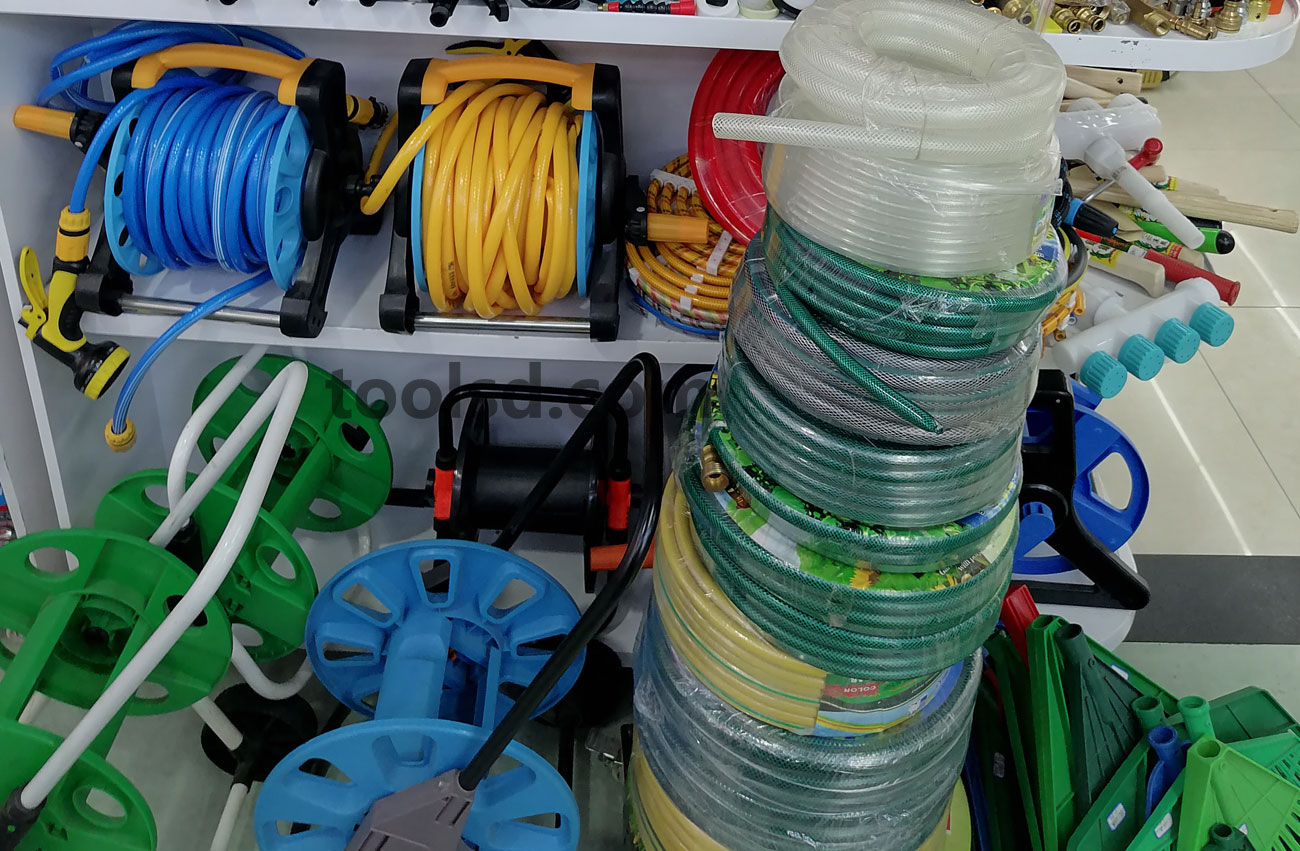
LD-357
LD-357 PP Plastic Garden Hose Reel Cart Portable | Wholesale Supplier
The LD-357 portable garden hose reel cart combines a durable PP plastic body, heavy-duty steel axle, and wheeled base to deliver tangle-free, mobile hose management for lawns, gardens, and commercial landscapes.
100LD-358
LD-358 PP Plastic Wall Mount Garden Hose Reel | Wholesale Supplier
The LD-358 wall-mount garden hose reel offers space-saving, tangle-free hose management with a PP plastic body, steel mounting bracket, and 15-30m capacity for patios, courtyards, and compact gardens.
200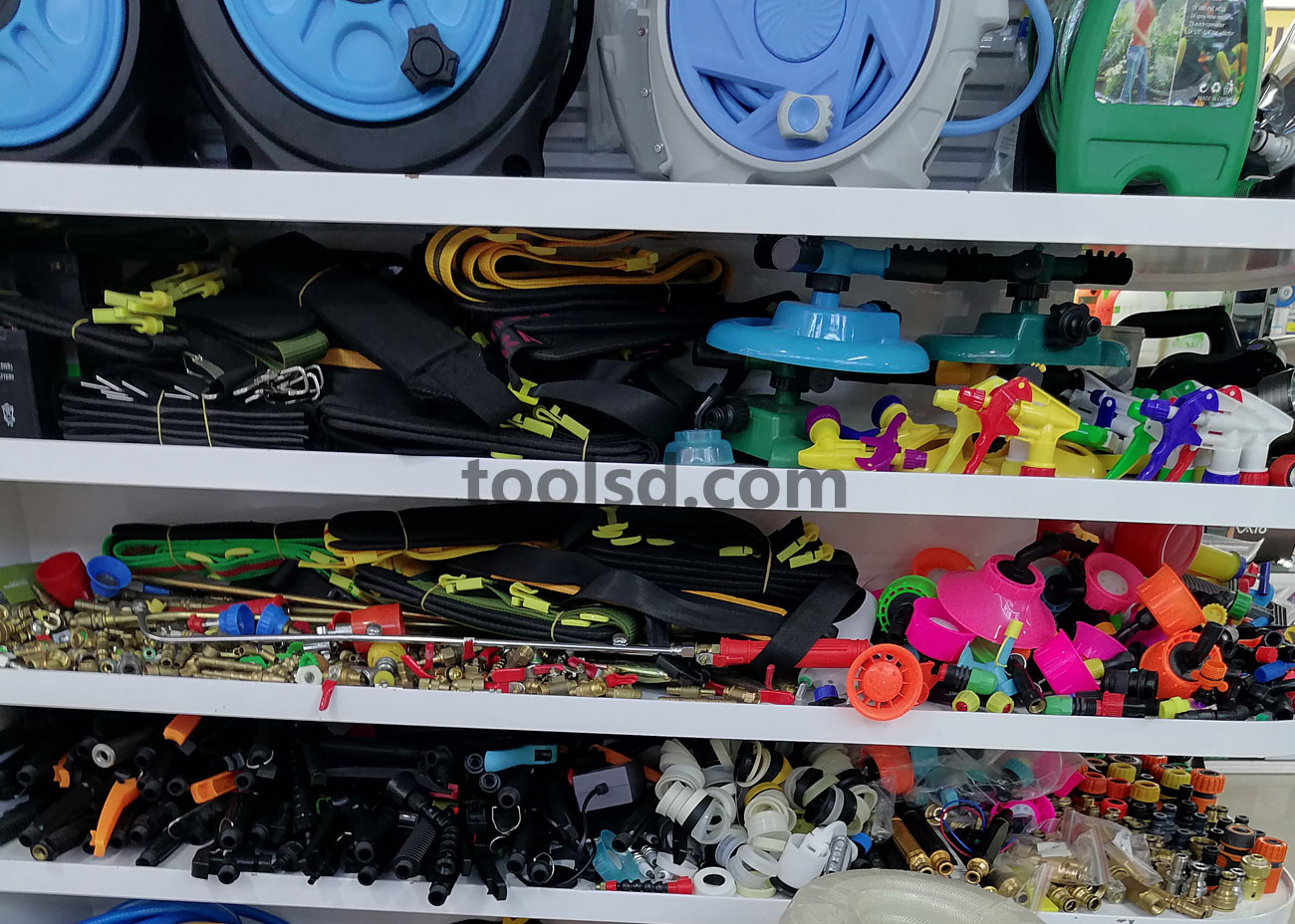
LD-359
LD-359 ABS Plastic Pistol Grip Spray Nozzle Gun Multi Color | Wholesale Supplier
The LD-359 pistol grip spray nozzle gun features a durable ABS plastic body, TPR rubber grip, and 4-8 adjustable spray patterns for versatile garden and cleaning applications.
500