Product Details
LD-189 Aluminum Oxide Sanding Sponge Set
LD-189 Aluminum Oxide Sanding Sponge Set provides dual-angle wedge-shaped sanding blocks with assorted grit aluminum oxide abrasive for versatile drywall, wood, metal, and automotive surface preparation.
Core Features
- Dual-angle wedge design for flat surfaces and corner access
- High-density PU foam backing conforms to curved surfaces
- Aluminum oxide abrasive with resin bond for long cutting life
- Open-cell foam reduces dust loading and extends abrasive life
- Assorted grits from 60 coarse to 220 fine for complete finishing
- Wet and dry compatible for versatile material applications
Application Scenarios
- Drywall joint compound sanding in new construction and renovation
- Wood furniture and cabinetry finish preparation
- Automotive body filler and primer sanding
- Metal surface rust and oxidation removal
- Paint stripping and between-coat smoothing
- Corner, edge, and molding detail sanding
FAQ
What is the difference between sanding sponges and sandpaper?
Sanding sponges have a foam backing that conforms to curved surfaces and maintains shape. They are reusable, washable, and easier to grip than loose sandpaper. Sandpaper is thinner, more flexible for wrapping around blocks, and cheaper for large flat areas but tears easily and does not conform to contours.
Can these sponges be used wet for automotive sanding?
Yes, the LD-189 sponges are suitable for wet sanding when used with water as a lubricant. Wet sanding reduces dust, prevents clogging, and produces a finer finish ideal for automotive primer and clear coat preparation. Rinse and allow to dry completely before storage.
How do I clean a sanding sponge to extend its life?
Tap the sponge against a hard surface to dislodge dust, or rinse under water for wet-compatible applications. Avoid using compressed air as it can damage the foam structure. Replace the sponge when the abrasive surface becomes smooth or the foam loses its resilience.
Which grit should I use for different stages of finishing?
Use 60-80 grit for aggressive material removal and rough shaping. Use 100-120 grit for general smoothing and removing scratches from coarser grits. Use 150-180 grit for final preparation before staining or priming. Use 220 grit for between-coat sanding of paint and varnish.
Related Products
LD-375
LD-375 Rubber PVC Door Bottom Seal Sweep Weatherstrip | Wholesale Supplier
Versatile rubber and PVC door bottom seals, sweeps, and weatherstripping featuring EPDM, silicone, and brush profiles in P, D, and E types. Cuttable to 80-100cm lengths with aluminum carriers, sealing door gaps of 2-15mm in five color options.
500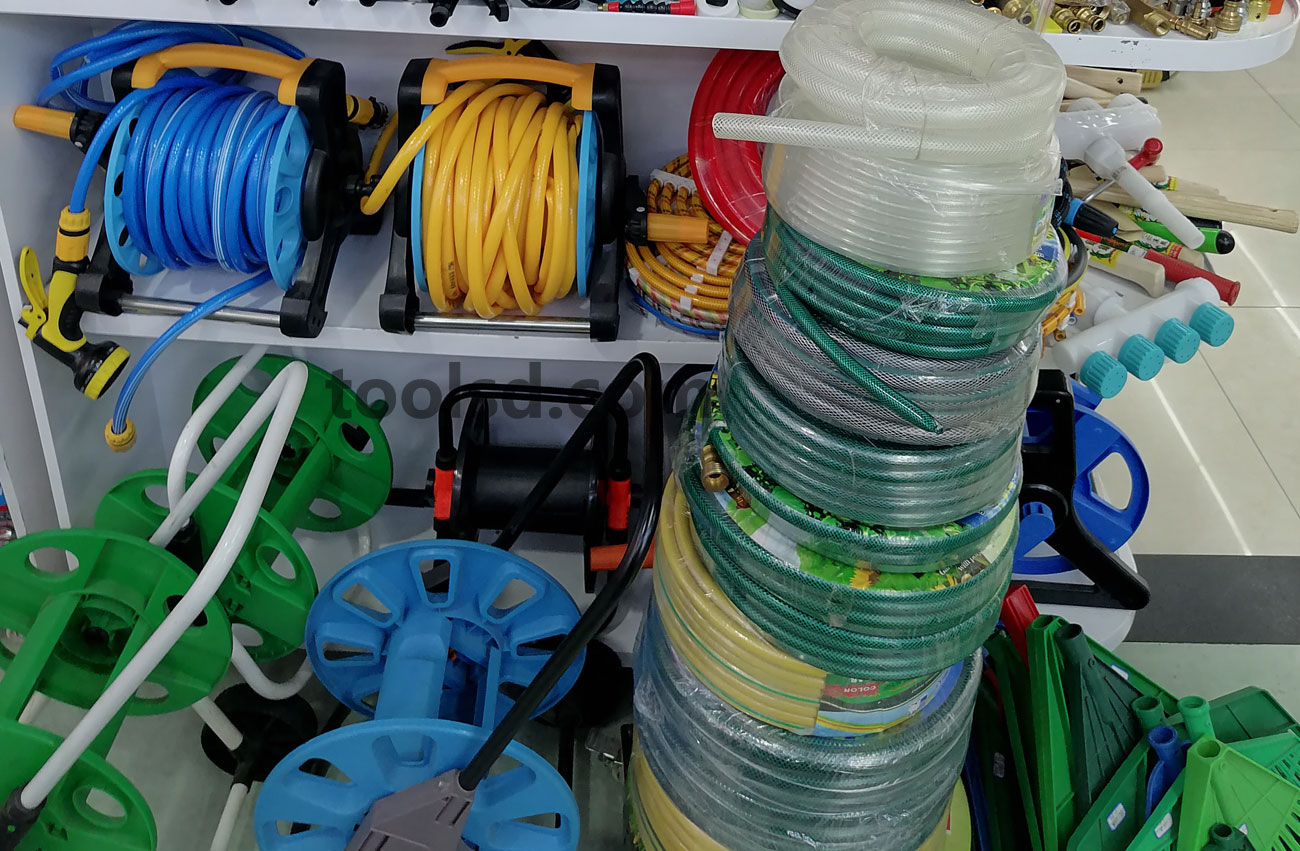
LD-357
LD-357 PP Plastic Garden Hose Reel Cart Portable | Wholesale Supplier
The LD-357 portable garden hose reel cart combines a durable PP plastic body, heavy-duty steel axle, and wheeled base to deliver tangle-free, mobile hose management for lawns, gardens, and commercial landscapes.
100LD-358
LD-358 PP Plastic Wall Mount Garden Hose Reel | Wholesale Supplier
The LD-358 wall-mount garden hose reel offers space-saving, tangle-free hose management with a PP plastic body, steel mounting bracket, and 15-30m capacity for patios, courtyards, and compact gardens.
200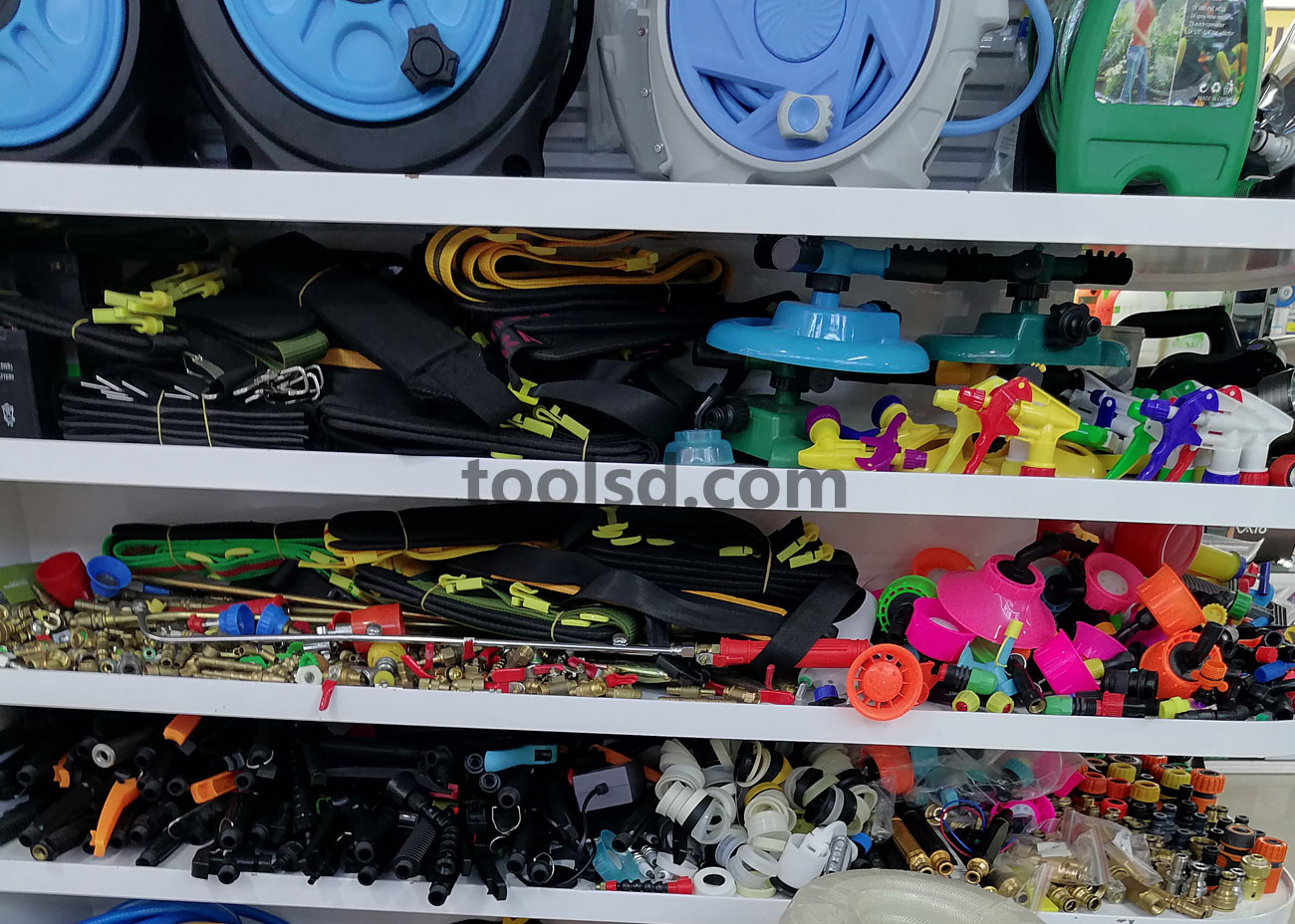
LD-359
LD-359 ABS Plastic Pistol Grip Spray Nozzle Gun Multi Color | Wholesale Supplier
The LD-359 pistol grip spray nozzle gun features a durable ABS plastic body, TPR rubber grip, and 4-8 adjustable spray patterns for versatile garden and cleaning applications.
500