Product Details
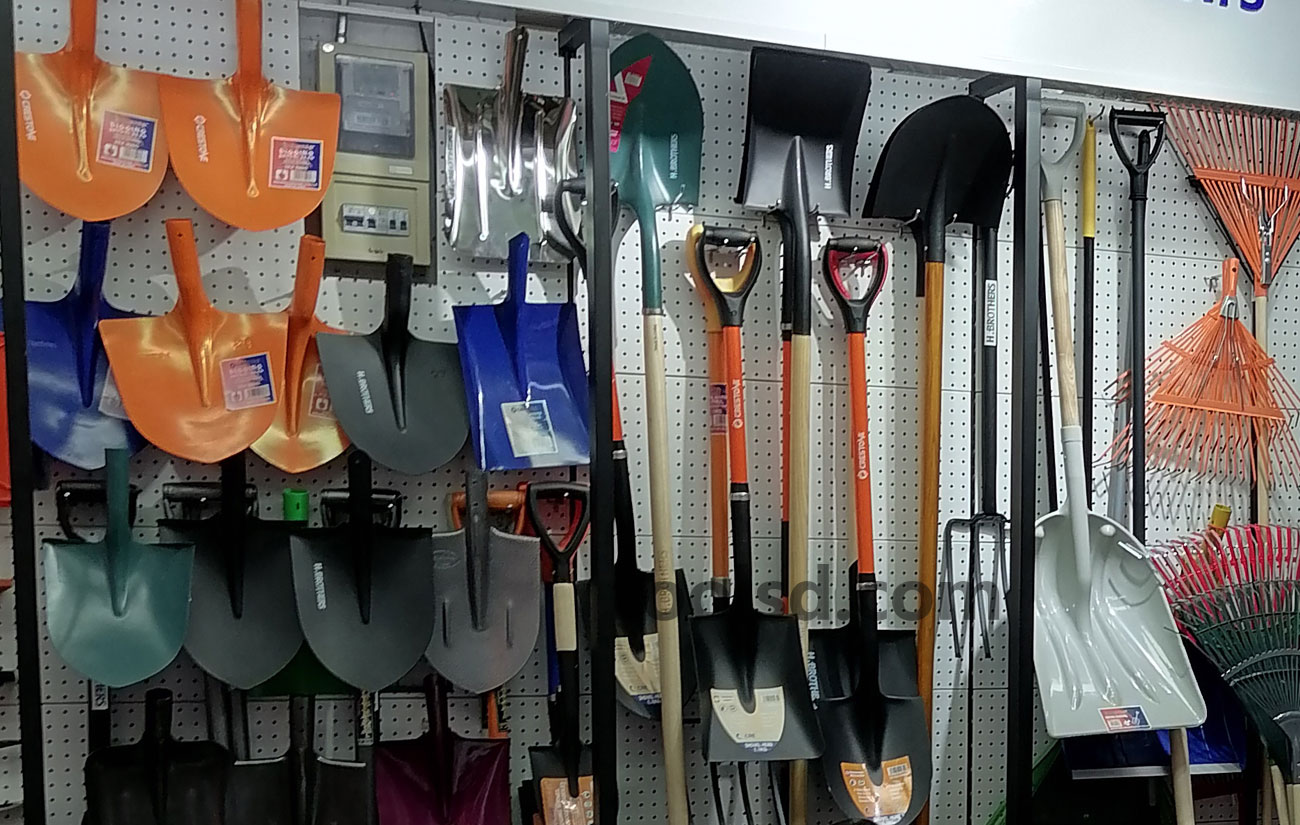
LD-176 Carbon Steel Tine Wooden Handle Garden Digging Fork
LD-176 Carbon Steel Tine Garden Digging Fork features four solid carbon steel tines with ash wood handle and D-grip. Heat-treated tines penetrate soil easily for aerating, compost turning, and breaking compacted ground.
Core Features
- Four solid square-section carbon steel tines for strength
- Heat-treated tines with tapered tips for easy penetration
- Ash wood handle absorbs shock from buried obstacles
- D-grip for comfortable two-hand leverage operation
- Steel socket with zinc rivets for secure head attachment
- 28-inch and 42-inch handle lengths for different tasks
Application Scenarios
- Lawn soil aerating to relieve compaction
- Compost pile turning and mixing
- Breaking up heavy clay and compacted ground
- Root vegetable harvesting potatoes carrots onions
- Mulch and manure spreading on garden beds
- Turf lifting and lawn renovation work
FAQ
Why use a fork instead of a shovel for hard soil?
A fork penetrates compacted soil more easily than a shovel because the tines concentrate force on a smaller area. A shovel has a wide blade that spreads force over a larger surface and may bounce off hard ground. The fork also lifts and separates soil rather than cutting through it.
What maintenance does a garden fork need?
Clean tines after each use to prevent soil buildup and rust. Apply light oil to tines before long-term storage. Inspect rivets periodically and re-tighten if loose. Sand the handle and apply linseed oil annually.
Are the tines strong enough for rocky soil?
The solid square-section tines handle moderate rocks and roots well. For extremely rocky ground, expect accelerated wear. Avoid prying with the fork as this applies lateral stress to tines.
How does a digging fork differ from a pitchfork?
Digging forks have thicker, shorter tines designed for pushing into and lifting heavy soil. Pitchforks have longer thinner tines designed for lifting and moving loose materials like hay and straw.
Related Products
LD-461
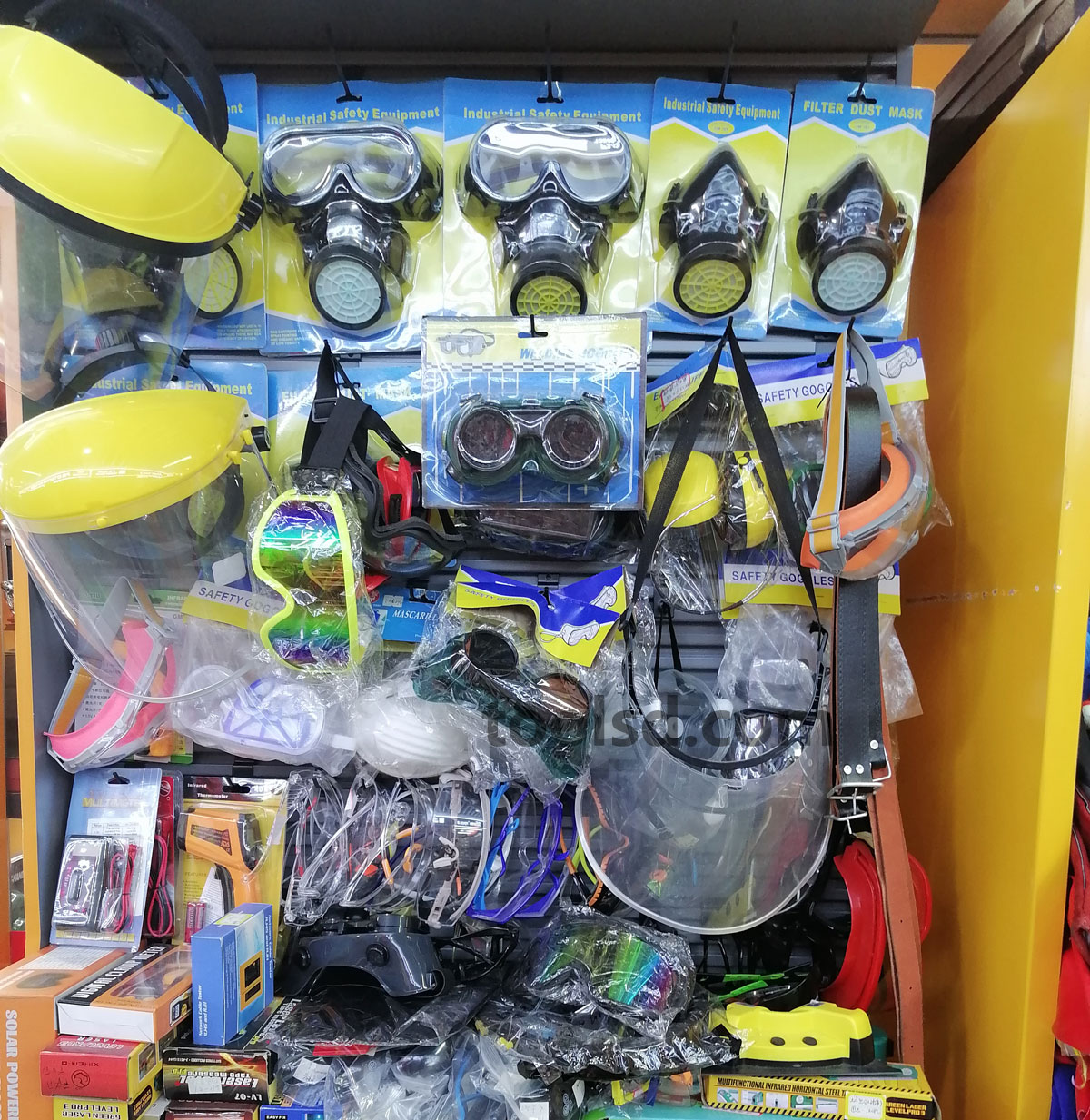
LD-461 PC Safety Goggles Protective Eyewear Anti-Fog Impact Resistant | Wholesale Supplier
LD-461 PC safety goggles with anti-fog and anti-scratch polycarbonate lens, PVC/TPU frame, adjustable elastic strap, indirect ventilation. ANSI Z87.1 and CE EN166 certified, impact resistant, ideal for construction, lab and industrial use.
200LD-462
LD-462 Silicone Respirator Mask with Filter Cartridge Paint Dust Gas | Wholesale Supplier
LD-462 silicone half-face respirator mask with replaceable filter cartridges. Single or dual cartridge design, P100/HEPA or organic vapor filters, medical-grade silicone seal, CE/NIOSH certified, ideal for painting, dust and chemical work.
100LD-463
LD-463 Polycarbonate Face Shield Visor Anti-Fog Full Face Protection | Wholesale Supplier
LD-463 polycarbonate full-face shield visor with anti-fog and anti-scratch coating. 220x320mm coverage, adjustable headband with foam brow pad, CE/ANSI certified, protects against splash, dust and impact.
100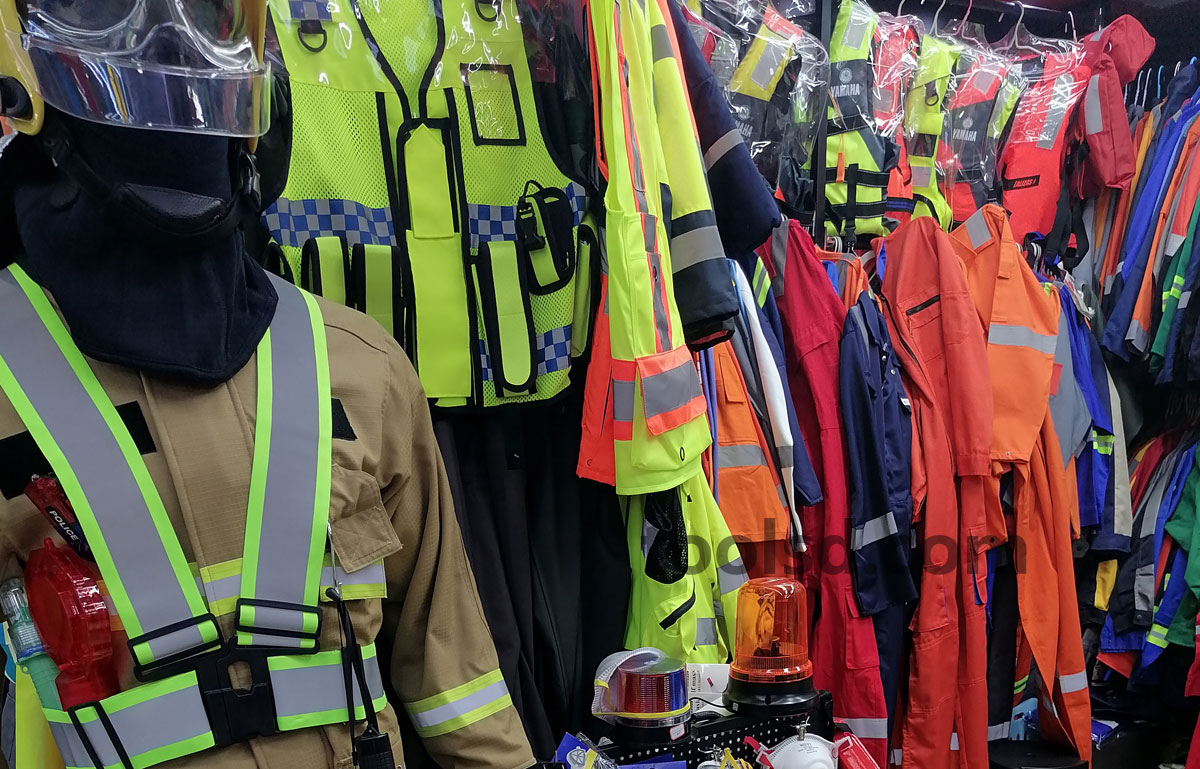
LD-464
LD-464 Polyester Hi-Vis Reflective Safety Vest Class 2 3 | Wholesale Supplier
LD-464 polyester hi-vis reflective safety vest, fluorescent yellow/orange/green, 5cm reflective tape, ANSI Class 2/3 and EN ISO 20471 compliant. Front zipper or velcro, multiple pockets, sizes S-5XL.
100