Product Details
LD-066 Rubber Foam Plastering Float
Rubber foam plastering float with sponge, EPS, and polystyrene pad options. Sizes from 8x3 to 16x5 inches for plaster smoothing, drywall finishing, stucco application, and ceiling skim coating.
Core Features
- Conformable rubber and foam pad surface for smooth, even plaster distribution
- Three pad materials: sponge, EPS, and polystyrene for different finishing needs
- Four sizes from 8x3 to 16x5 inches for detail work to large wall coverage
- Lightweight construction reduces hand and arm fatigue during long finishing sessions
- Durable plastic base plate resists warping and chemical degradation from plaster
- Available in five colors for easy size and material identification on the job site
Application Scenarios
- Interior wall plastering and skim coating for smooth paint-ready surfaces
- Drywall joint compound finishing and feathered edge blending
- Exterior stucco application and texturing for decorative wall finishes
- Concrete surface leveling and smoothing for architectural concrete work
- Wall patching and repair touch-up for seamless restoration of damaged areas
- Ceiling skim coating and surface preparation before final decoration
FAQ
What is the difference between sponge, EPS, and polystyrene plastering floats?
Sponge floats have a highly absorbent open-cell surface that holds water for wet plastering, producing an ultra-smooth finish on plaster and joint compound. EPS floats are lightweight with a semi-absorbent surface ideal for general-purpose finishing and light texturing. Polystyrene floats have a denser, more durable surface suited for heavy-duty stucco work and rough surface finishing.
When should I use a foam float instead of a steel trowel?
Use a foam float when you need to achieve a smooth, uniform surface without the hard lines that steel trowels can leave. Foam floats are ideal for the final finishing pass on plaster and joint compound, for working with wet mixes, and for textured finishes. Steel trowels are better for initial application and compaction. Many professionals use both: a steel trowel for initial application and a foam float for the final smoothing pass.
How do I clean and maintain foam plastering floats?
Rinse the float immediately after use with clean water to remove plaster or joint compound before it hardens. For stubborn residue, soak in warm water and gently scrub with a soft brush. Avoid using harsh chemicals or solvents that can degrade the foam or rubber. Allow the float to air dry completely before storage. Store flat in a dry location to prevent the foam from deforming.
What size plastering float is best for general wall finishing?
For general interior wall finishing and drywall work, the 11x4 inch or 13x5 inch sizes are most popular. The 11x4 inch provides good balance between coverage area and maneuverability for standard rooms. The 13x5 inch covers more area per stroke for larger walls. The 8x3 inch is ideal for detail work and small patches, while the 16x5 inch is best for large commercial surfaces.
Related Products
LD-470
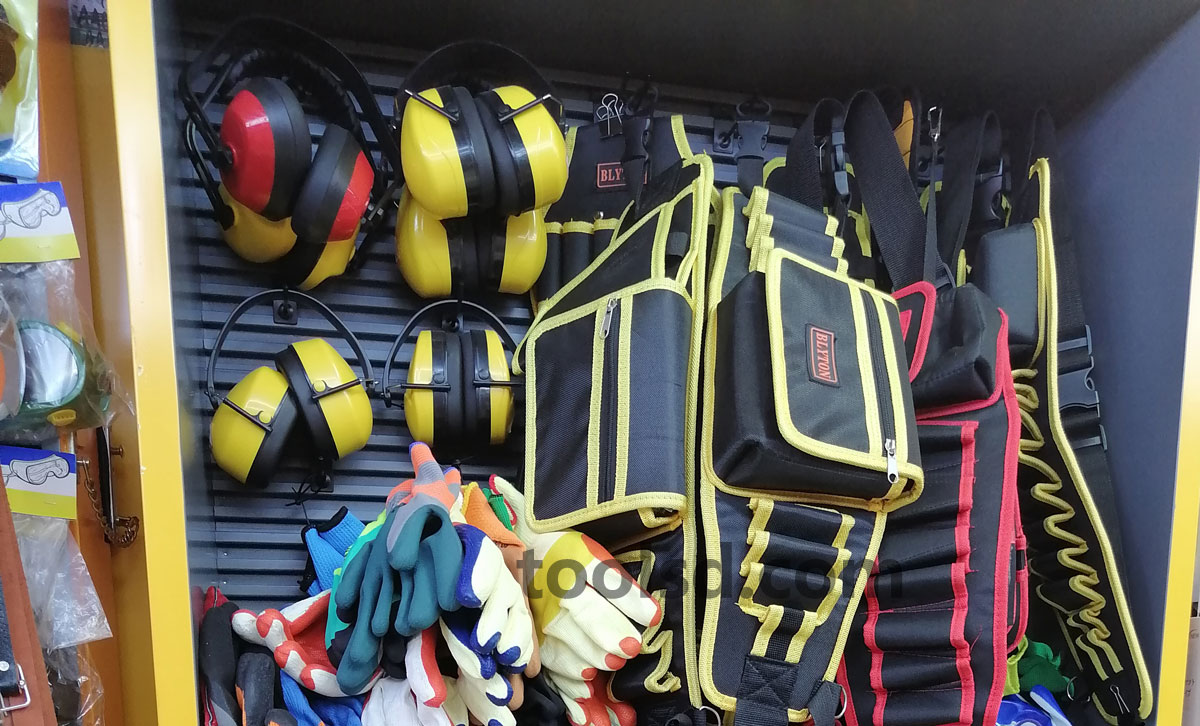
LD-470 600D Oxford Tool Belt Pouch Organizer Multi-Pocket | Wholesale Supplier
LD-470 600D oxford tool belt/pouch organizer, 5-15 multi-size pockets, adjustable webbing belt with quick-release buckle, hammer/tape loops, metal D-rings, for electricians, carpenters and construction workers.
100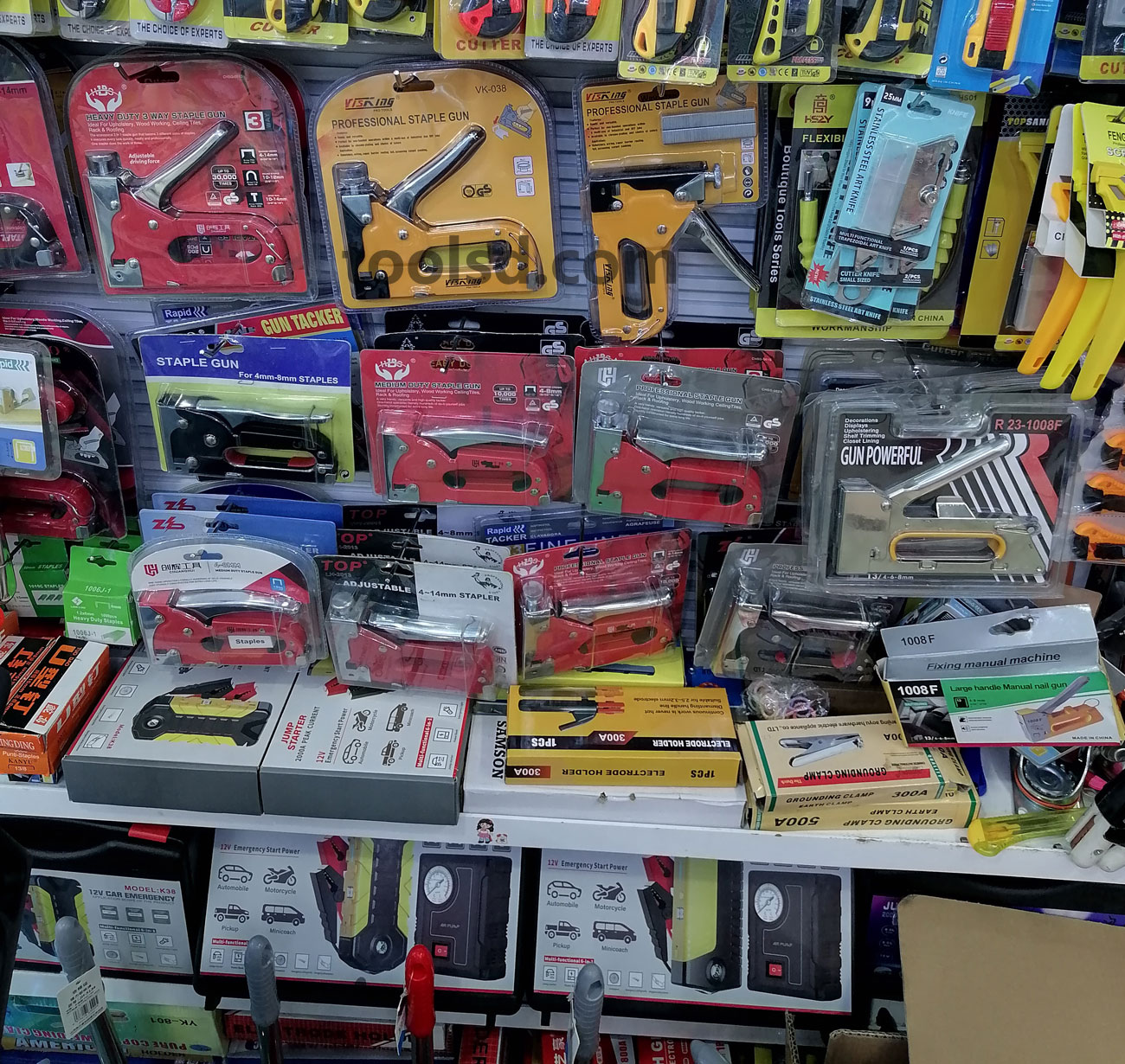
LD-451
LD-451 Chrome Vanadium Steel 3-Way Heavy Duty Staple Gun Tacker | Wholesale Supplier
LD-451 chrome vanadium steel 3-way heavy-duty staple gun accepting 131 series, 1008F thick wire, and T-nails. 3-crown function, bottom loading, ergonomic TPR grip, 100-150 staple capacity, ideal for furniture, upholstery and packaging.
100LD-452
LD-452 Chrome Steel Professional Staple Gun VK-038 4-14mm Adjustable | Wholesale Supplier
LD-452 chrome steel professional staple gun VK-038 with adjustable 4-14mm staple range. Top loading magazine, depth adjustment, 131 series flat wire staples, chrome finish, ergonomic TPR grip.
100LD-453
LD-453 Chrome Steel Powerful Manual Nail Gun 1008F Heavy Duty | Wholesale Supplier
LD-453 chrome steel powerful manual nail gun for 1008F thick wire staples. Large ergonomic handle, high impact drive mechanism, 8-16mm staple range, heavy-duty construction, ideal for furniture and industrial fastening.
100