Product Details
LD-064 Stainless Steel Putty Knife Scraper Set
Stainless steel putty knife scraper set with blade widths from 1.5 to 6 inches. Available in stiff and flexible blade options for wall patching, putty application, and paint scraping.
Core Features
- Precision-ground stainless steel blade for sharp edge and corrosion resistance
- Six blade widths from 1.5 to 6 inches for versatile application coverage
- Stiff and flexible blade options for scraping and smoothing tasks
- Four handle styles including plastic and wood for comfort and durability
- Full tang blade construction riveted through handle for maximum strength
- Lightweight design reduces hand fatigue during extended use
Application Scenarios
- Drywall hole and crack patching with joint compound or spackle
- Old paint removal and surface scraping prior to repainting
- Caulk and sealant application and smoothing for watertight joints
- Wallpaper removal and adhesive residue scraping cleanup
- Glass and window putty application and removal for glazing work
- Surface preparation and cleaning before painting or tiling
FAQ
What is the difference between stiff and flexible putty knives?
Stiff putty knives have thicker, less flexible blades designed for heavy-duty scraping tasks such as removing old paint, wallpaper adhesive, and stubborn residues. Flexible putty knives have thinner blades that bend under pressure, making them ideal for smooth putty and caulk application on flat or slightly curved surfaces where a uniform spread is needed.
What blade width putty knife should I use for patching drywall?
For small nail holes and pinholes, a 1.5 to 2 inch blade is sufficient. For standard drywall joint repairs and seam taping, a 4 to 6 inch blade provides the best coverage and smoothing ability. Most professionals keep multiple sizes on hand to handle various patching situations efficiently.
Can these putty knives be used for removing old paint?
Yes, the stiff blade versions are specifically designed for paint scraping. The sharp edge of the stainless steel blade effectively lifts and removes loose or peeling paint from wood, metal, and drywall surfaces. For particularly stubborn paint, hold the knife at a low angle and apply firm, steady pressure while scraping.
How do I clean and maintain putty knives after use?
Clean putty knives immediately after use by wiping off excess putty, caulk, or paint with a damp cloth or paper towel. For dried material, soak the blade in warm soapy water and scrape clean with a stiff brush. Dry the blade thoroughly and apply a light coat of oil to stainless steel blades to maintain corrosion resistance. Store knives in a dry location to prevent handle damage.
Related Products
LD-470
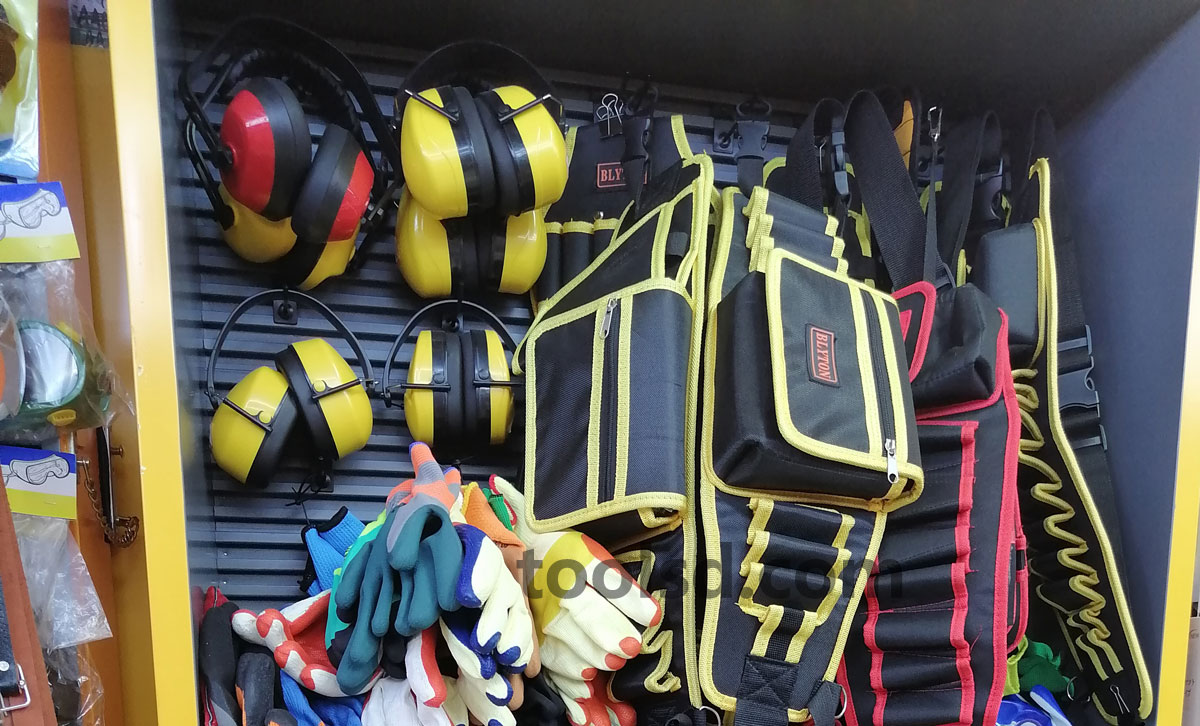
LD-470 600D Oxford Tool Belt Pouch Organizer Multi-Pocket | Wholesale Supplier
LD-470 600D oxford tool belt/pouch organizer, 5-15 multi-size pockets, adjustable webbing belt with quick-release buckle, hammer/tape loops, metal D-rings, for electricians, carpenters and construction workers.
100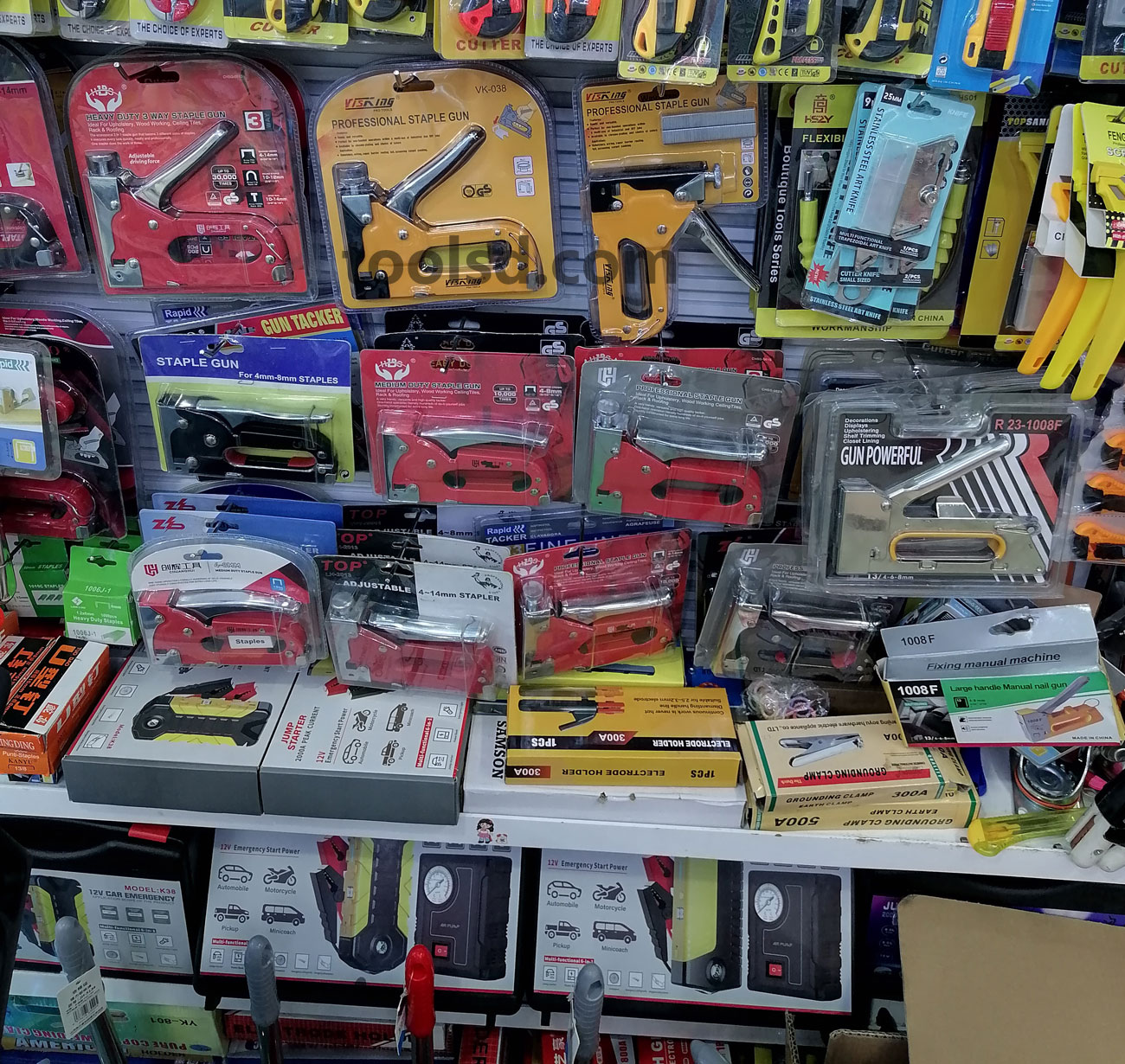
LD-451
LD-451 Chrome Vanadium Steel 3-Way Heavy Duty Staple Gun Tacker | Wholesale Supplier
LD-451 chrome vanadium steel 3-way heavy-duty staple gun accepting 131 series, 1008F thick wire, and T-nails. 3-crown function, bottom loading, ergonomic TPR grip, 100-150 staple capacity, ideal for furniture, upholstery and packaging.
100LD-452
LD-452 Chrome Steel Professional Staple Gun VK-038 4-14mm Adjustable | Wholesale Supplier
LD-452 chrome steel professional staple gun VK-038 with adjustable 4-14mm staple range. Top loading magazine, depth adjustment, 131 series flat wire staples, chrome finish, ergonomic TPR grip.
100LD-453
LD-453 Chrome Steel Powerful Manual Nail Gun 1008F Heavy Duty | Wholesale Supplier
LD-453 chrome steel powerful manual nail gun for 1008F thick wire staples. Large ergonomic handle, high impact drive mechanism, 8-16mm staple range, heavy-duty construction, ideal for furniture and industrial fastening.
100